Is massage just about relaxation and deep breathing? Many athletes believe so. The truth of the matter is quite different. What is harmless to the surface may be very effective to the inside. Muscles respond. Tissues adapt. Recovery accelerates. Here, the therapeutic massage will cease being a luxury and become clinical in nature. It is a performance tool and not a threat to the athletes.
The body takes up unending stress in competitive sports as well as in recreational sports. The monotony of training, repetition of movements, and small injuries accumulate silently. Enhancing massages takes this fact into consideration with a results-oriented attitude by providing systematic bodywork, which has been structured to sustain movement, recovery, and long-term physical resilience. This is not active relaxation. It is targeted care.
Understanding Therapeutic Massage in Athletic Care
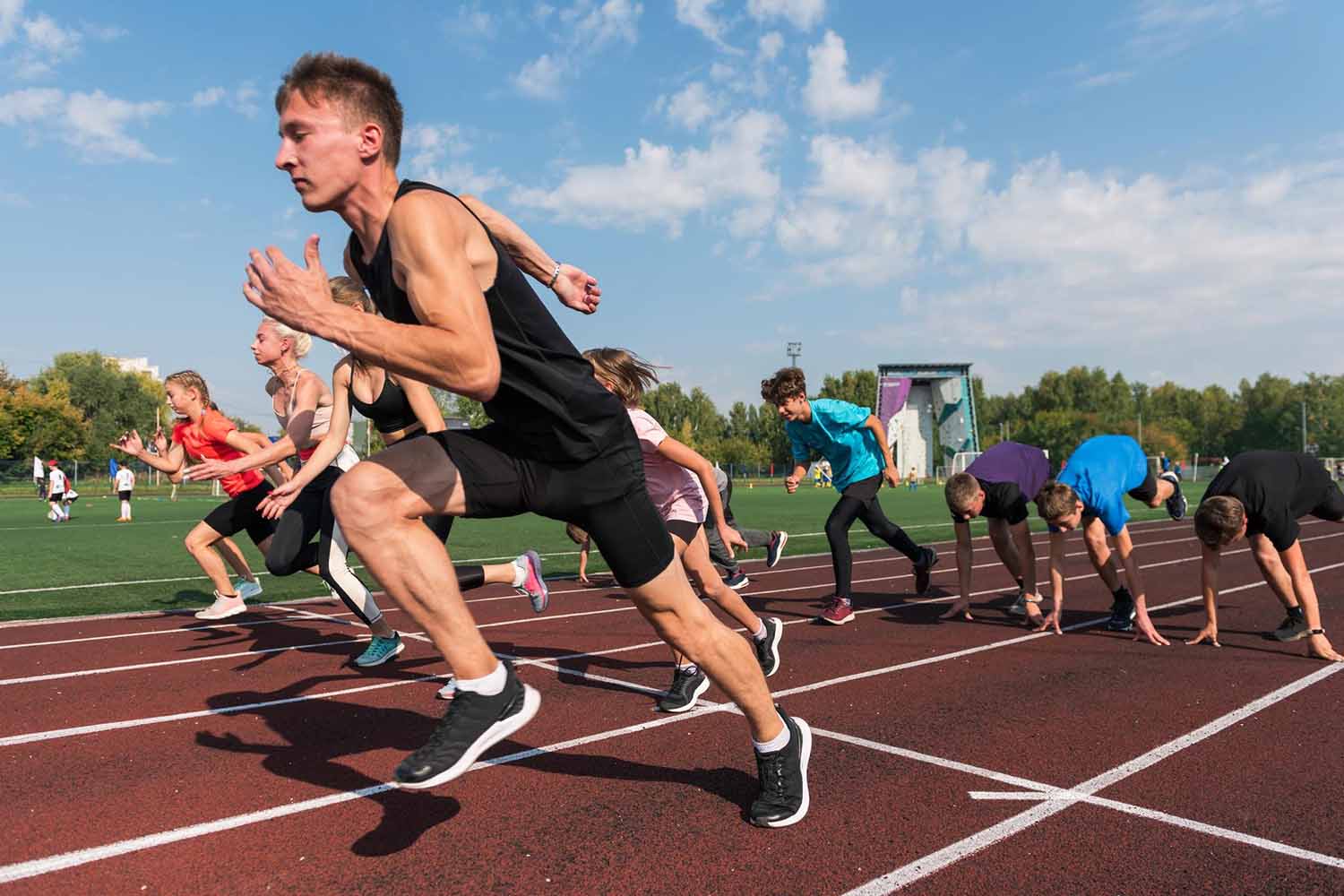
It is a systematized kind of manual treatment that is aimed at restoration as opposed to shallow body comfort. It is aimed at the muscles and fascia, which are affected by strain or overuse, and also the connective tissues. In the case of athletes, it helps the body to adjust to the demands of the body without collapsing.
Assessment-guided sessions are unlike general massage. The first identified is muscle imbalances, limited mobility, and patterns of pain. There is a clinical rationale for treatment. This will enable therapeutic massage to solve the cause of pain rather than treating symptoms.
Why Athletes Need More Than Relaxation
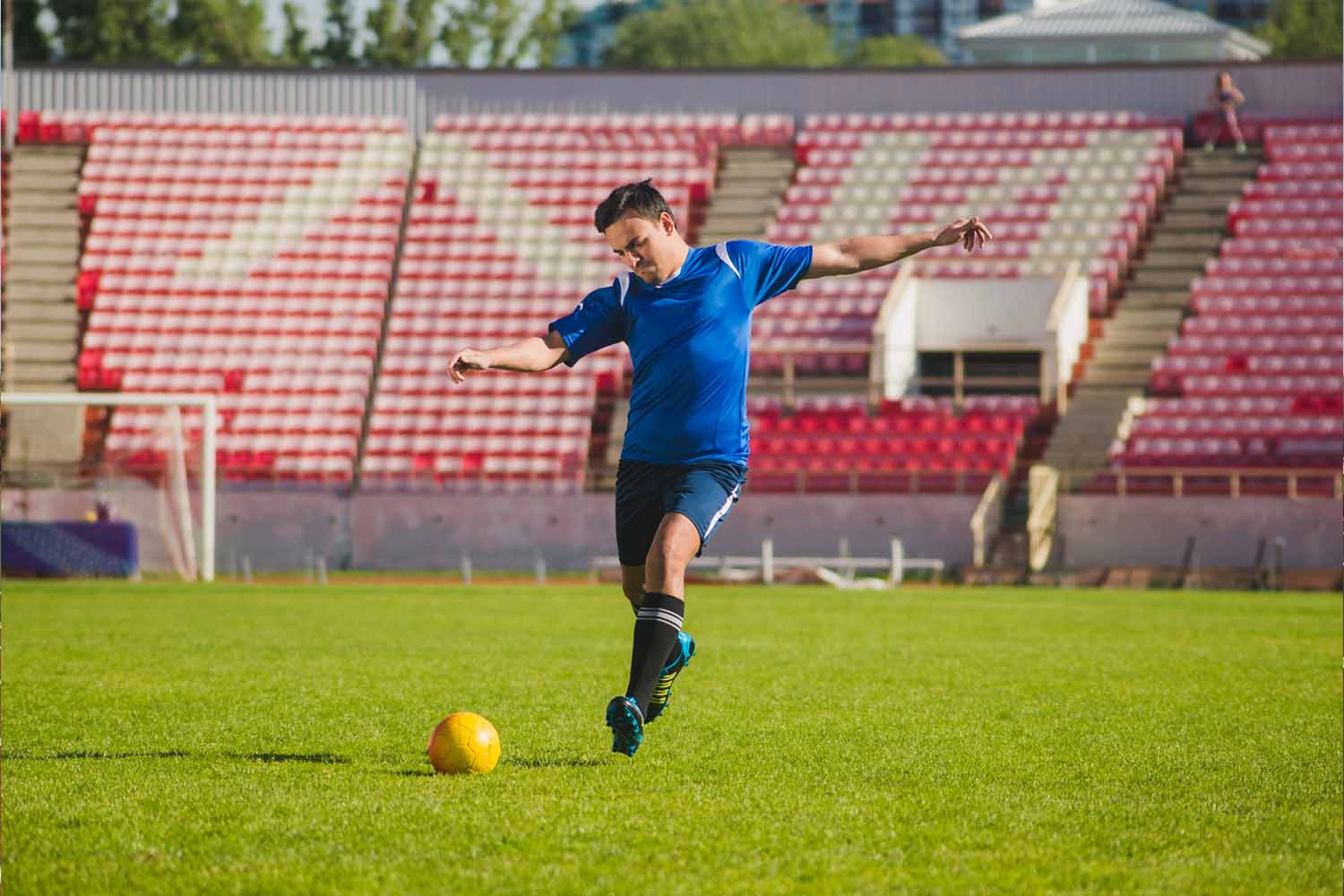
Athletic bodies operate under stress cycles. Training causes micro-damage. Recovery repairs it. When recovery is incomplete, performance declines. Injuries become more likely. The therapeutic massage is appropriate in this recovery equation because it enhances the circulation and elasticity of tissues.
The flexibility of muscles limits blood circulation. Decreased blood circulation retards healing. It is faster in delivering nutrients, as well as eliminating wastes, by restoring circulation.[1] This process helps in enhancing quicker rest between sessions and competitions.
Clinical Benefits That Impact Performance
One of the most important benefits of therapeutic massage is pain regulation.[2] Chronic muscle tension often triggers protective guarding. This limits range of motion and alters movement patterns. Over time, compensations develop.
Targeted manual techniques release deep tension. Joint mobility improves. Muscles begin working in coordinated patterns again. In the case of athletes, it implies less strain and easier movement in the course of action.
The other major advantage is that of nervous system control. High-intensity training is one that maintains the body in a state of high activity. It triggers the parasympathetic, which enables the body to get a rest.[3] Better quality of sleep and lower stress ensue.
Injury Prevention and Recovery Support
Athletes rarely stop training for minor discomfort. Small issues accumulate. Therapeutic massage helps identify and manage these issues early. Restricted fascia or overworked muscle groups are addressed before injury occurs.[4]
Post-injury recovery also benefits from controlled manual therapy. Techniques are adapted to healing stages. Scar tissue is managed. Mobility is restored gradually. In this regard, therapeutic massage is used to supplement rehabilitation measures and not to substitute medical care.
Role of Deep Tissue and Sports Techniques
Deep tissue techniques have been mistaken for being forceful. As a matter of fact, they are specific and intentional. Deep tissue work on athletes is aimed at breaking up chronic adhesions that cause performance restrictions. Deep therapeutic massage effectively enhances flexibility without unnecessarily bringing about soreness.
Sports-oriented training is also train-phase adaptive. Working before a game makes muscles ready. After event sessions help in recovery, such flexibility puts it as a practical option during the sporting cycle.
Complementary Modalities for Better Results

Modern therapeutic practice often integrates additional techniques. Cupping therapy assists in the decompression of tissues and improves movement range. PEMF therapy helps in the healing of cells and lessening of inflammation. These methods are used together in order to complement the effects of the therapeutic massage.
These modalities are not applied to enhancing massage randomly but instead in a strategic way. Every session is in line with the objectives of the athlete, the intensity of training, and fitness. This combination supports the outcomes and does not load the body.
Long-Term Athletic Sustainability
The longevity in athletic careers is professional or recreational. Participation is shortened by consistent overload with nothing in between. It is part of sustainable training because it keeps tissues healthy and they are in functional equilibrium.
The athletes who have a structured bodywork experience have been reported to have better body awareness. The early indications are identified earlier. Changes are made in advance, prior to injury. This is a proactive position that therapeutic massage is not a short-term cost but a long-term solution.
Evidence-Based Support for Therapeutic Massage
Studies are being made in favor of manual therapy in sports medicine. Research associates therapeutic massage with less delayed onset muscle soreness, better flexibility, and perceived recovery.[5] It is not a substitute for training or conditioning, although it makes them even more efficient.
The best results of massage are achieved when it is personalized. Cookie-cutter sessions do not deal with the intricate athletic needs. This supports the significance of assessment-guided therapeutic massage.
Conclusion
Background music and candles are not part of a therapeutic massage. In the case of an athlete, it is a support system that improves recovery, injury minimization, and quality of movement. Therapeutic massage is a valuable component of athletic care, instead of a luxury when used for its intended purpose.
Enhancing Massage is a highly focused form of bodywork that would be beneficial for athletes who want their training results matched by recovery. Regular attention provides short-term training requirements and long-term physical viability.
FAQs
1. Is therapeutic massage suitable for all athletes?
Yes. It may be tailored to beginners, competitive athletes, and active people.
2. How is therapeutic massage different from relaxation massage?
Therapeutic massage is aimed at reducing the dysfunction of muscles, patterns of pain, and limitations of movements, and does not target general comfort. Every session will be based on evaluation and specific methods of aiding physical performance and recovery.
3. Can therapeutic massage help prevent injuries?
Yes. It deals with muscular imbalances and overuse patterns at an early stage.
4. Is soreness normal after a therapeutic massage?
It can be accompanied by mild soreness, and this happens most when deep or corrective methods are applied to the tight muscles. This normally fades away after a brief time and is accompanied by increased mobility and decreased discomfort.
5. Are cupping and PEMF part of therapeutic massage sessions?
The modalities are usually applied in addition to other techniques in order to improve the circulation and tissue recovery. Their application is based on the condition of the athlete, he or she objectives, and their reaction to manual therapy.
References
[2] https://www.frontiersin.org/journals/physiology/articles/10.3389/fphys.2017.00747/full
[3] https://www.health.harvard.edu/therapeutic-massage-for-pain-relief
[4] https://www.releafphysio.com/post/is-sport-massage-worth-it