
Imagine if your body could give each cell a tiny, invisible boost—helping it produce energy and repair itself inside out. Pulsed Electromagnetic Field Therapy (PEMF) offers just that kind of gentle support and circulation, right where your cells live.
Every moment, our cells are working hard behind the scenes. PEMF lends a quiet, energizing nudge by supporting mitochondria, calming cellular stress, and guiding the repair process. By interacting with cellular processes that govern energy, inflammation, and tissue renewal, PEMF therapy supports energy, repair, and resilience at the cellular level.
This blog explores the benefits of PEMF in massage therapy, offering a clear view of how rhythmic magnetic fields influence energy, inflammation, and regeneration, highlighting its role in a modern wellness toolkit.
The Science Behind PEMF Therapy
Pulsed Electromagnetic Field Therapy uses electromagnetic fields to gently stimulate cellular activity without touching the body. The underlying science behind PEMF therapy suggests that these fields can influence charged particles in cells, potentially enhancing mitochondrial function, modulating inflammatory signaling, and improving microcirculation. [1]
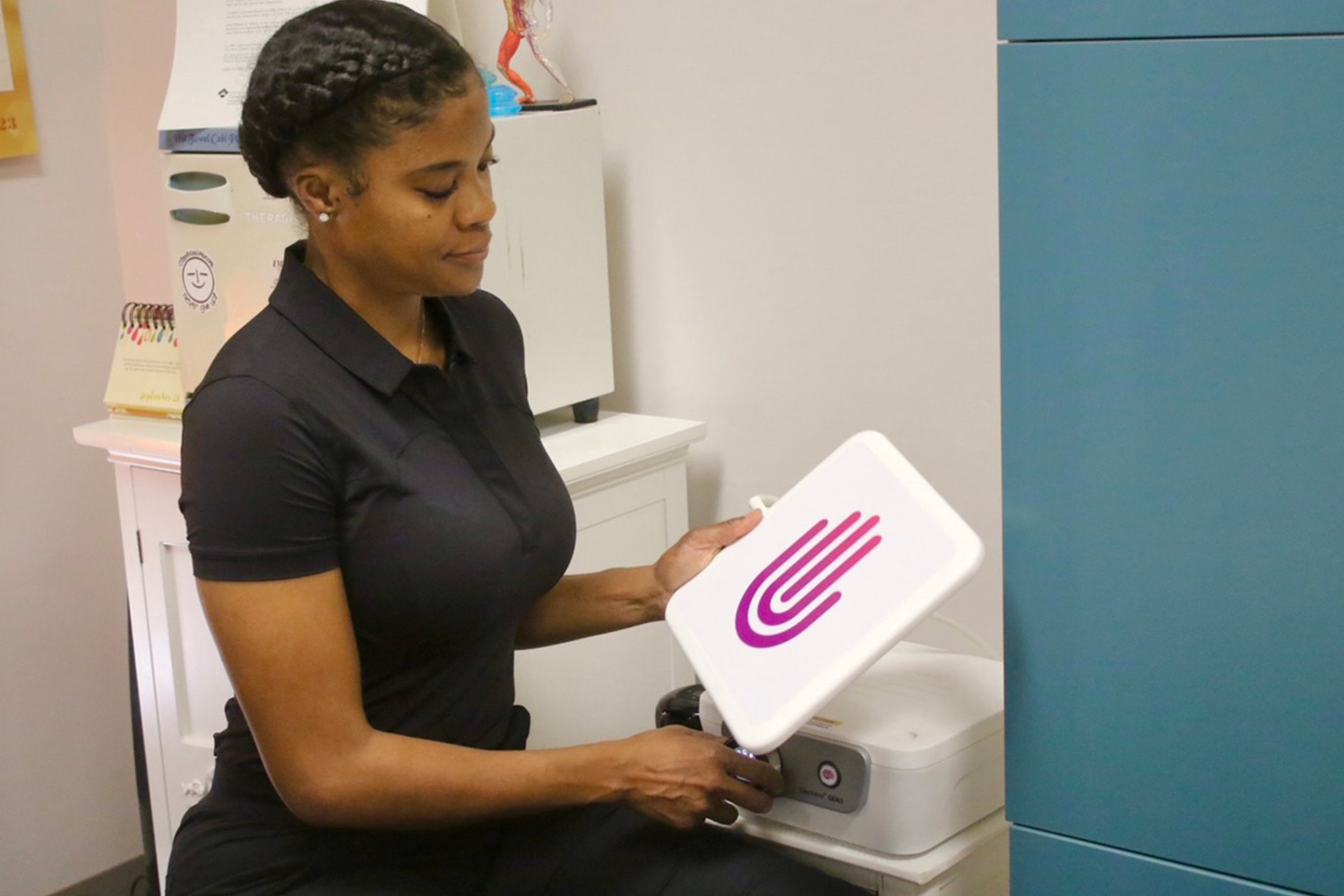
In massage therapy, such as the one delivered by Enhancing Massage, PEMF may help create a more favorable cellular environment between manual techniques, potentially reducing muscle soreness, supporting tissue repair, and enhancing relaxation through reduced localized tension and improved oxygen delivery.
What Happens When PEMF Hits Your Cells
When PEMF (pulsed electromagnetic field therapy) reaches your tissue, it can influence how cells respond to their electrical and chemical environment, especially at the energy level. The oscillating magnetic signals interact with the cellular processes involved in ATP (energy production) and mitochondrial function, which may help convert energy more efficiently during times of strain.

During a PEMF massage, the pulsing electromagnetic fields may interact with your cells in a way that may nudge cellular ‘communication’ systems and energy processes toward recovery. As cells become better coordinated at the cellular level, this can improve local regulation and responsiveness in the tissue, which many people experience as reduced stiffness and greater comfort after a massage. [2]
The Benefits of PEMF Therapy for Cellular Healing
PEMF therapy at Enhancing Massage may support cellular energy, balance inflammation signals, and enhance microcirculation, promoting tissue repair, resilience, and efficient recovery.
Here are some benefits of PEMF therapy for cellular healing:
1.Supports Cellular Energy Production
When you receive PEMF therapy as a part of your massage, the goal is to help your cells make and use energy more efficiently, especially when tissues are ‘working hard’ to recover. By supporting the cellular environment involved in ATP production (your cells’ usable energy), PEMF may help muscles and connective tissue recover more cohesively.

2.Modulates Inflammation at the Cellular Level
In massage therapy, inflammation is often part of the story—whether it shows up as soreness after overuse, tightness that feels ‘hot,’ or stiffness that lingers after a strain. When you receive PEMF alongside massage, the aim is to support a calmer cellular environment so the body can transition more smoothly from the inflammatory phase of healing into repair and restoration.

From a cellular-healing viewpoint, PEMF may help influence inflammatory signaling and cellular response, which can support tissues as they recover.
3.Improves Microcirculation and Oxygen Delivery
When you are receiving a massage, part of what you are likely feeling is enhanced local blood flow, warmth, better tissue glide, and a sense that tight areas are becoming more ‘open’ and workable. PEMF may support this same recovery direction by encouraging healthier microcirculation at the cellular level, which can help tissues receive the oxygen and resources they need for efficient repair.
Recovery isn’t only about relaxing muscles; it’s also about helping the tissue environment shift towards rebuilding. If oxygen delivery is supported, your body may be better equipped to clear metabolic byproducts and sustain the conditions that support healing. [3]
4.Facilitates Tissue Repair and Regeneration
One of the most encouraging aspects of PEMF for cellular healing is its potential to support the body’s natural repair processes. When tissues are recovering from everyday stress—or from an injury, overuse pattern, or post-surgery rehabilitation—your body has to do more than just ‘feel better.’ It needs the right conditions to rebuild, restore, and return to more coordinated function.
After a massage session, many clients notice short-term changes—less stiffness, improved range of motion, and less discomfort. Together, PEMF and hands-on therapy can complement each other—massage helps soften, mobilize, and release restrictions you can feel, while PEMF may help support cellular processes that contribute to the tissues gradually becoming more resilient and ready to move.

5.Supports Nerve Repair and Recovery
When you are working with a body that has nerve irritation—whether from an old injury, everyday compression, repetitive strain, or normal wear and tear—massage often helps most when clients can ‘feel safe enough to move.’ That ‘ready-for-motion’ window is where PEMF can be a supportive partner. PEMF may help support processes that are important to nerve repair, such as restoring cellular energy, calming unfavorable stress signals, and encouraging recovery between sessions. [4]
As recovery progresses, clients who experience tingling, sensitivity, or ‘electric’ discomfort may find symptoms become less intense or less frequent as recovery progresses. When nerve irritation eases, the body is more willing to bend, reach, stand, and use the area without overprotecting.
The Last Word
Your cells and nerves don’t just need time; they need the right conditions to recover. Massage works in the front line—softening tissues, improving mobility, and reducing mechanical stress that can keep irritation going—while pulsed electromagnetic field therapy (PEMF) helps support the body in the recovery phase. Together, they can create a recovery rhythm that supports both comfort and function.
FAQs
How does PEMF increase ATP production in cells?
PEMF boosts cellular energy by improving mitochondrial function and ion/electrical signaling, which can increase electron transport and make cells generate more ATP for energy.
What are optimal PEMF frequencies for tissue regeneration?
Optimal frequencies for tissue regeneration use low-frequency ‘pulsed’ PEMF around 1-100 Hz, while high-frequency signals are sometimes used for different cell/tissue targets. The best choice depends on the condition and the device’s preset settings.
Can PEMF reduce inflammation in muscles?
Yes. Many people use PEMF alongside massage, and it may help calm muscle inflammation and speed recovery, though results vary by condition and protocol.
Can PEMF help with nerve-related tingling during recovery?
Many massage clients report reduced nerve ‘buzzing’ or sensitivity over time with PEMF used consistently alongside their massage and normal activity.
References:
[2] https://lovahealth.com/pemf/
[3] https://www.bodycentredayspa.com/new-blog-1/tsrn4lddzk4hhy7e29mw6ym6ratyzn
[4] https://www.lispinemed.com/2023/06/28/the-healing-power-of-pemf/