Category: Uncategorized

  • Massage vs. Chiropractic Care: What’s Best for Back Pain?

    Massage vs. Chiropractic Care: What’s Best for Back Pain?

    Around the world, many people suffer from back pain due to various conditions. Back pain can be caused by poor posture, injuries, broken bones, a sedentary lifestyle, infections, chronic conditions, and various other health issues. Getting the right treatment is necessary for relief from back pain and long-term well-being. 
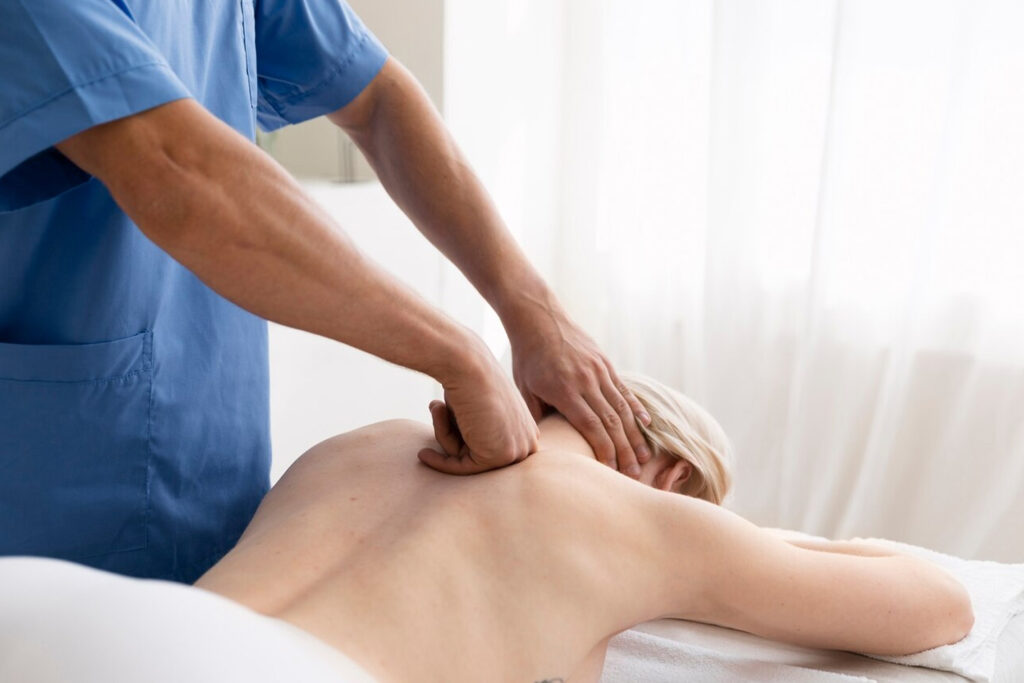
    Two treatments—chiropractic and massage—can treat your back pain. Both treatments are best on their own but massage can serve better than a chiropractic care. This article will delve into the knowledge of massage and chiropractic, a comparison of both treatments, and which one is better for back pain.

    Back Pain

    Massage

    Massage

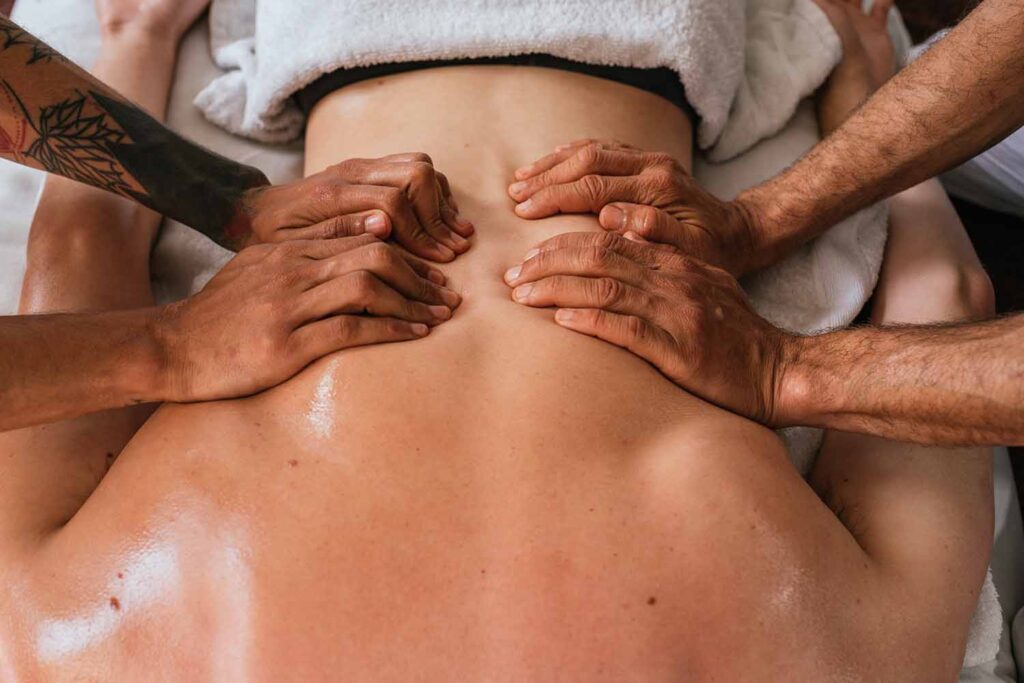
    Massage is a manual therapy used to relieve various health conditions. Therapists rub and knead the soft tissues and muscles of your body. The soft tissues contain ligaments, tendons, connective tissues, and skin. 

    Massage therapy aims to reduce stress, relieve pain, improve muscle tightness, and promote relaxation. It can also help address injuries and insomnia (the inability to sleep) [1, 2]. Many different types of massage are used to treat back pain, like deep tissue massage. Explore how massage therapy for back pain provides several benefits.

    Relieve Pain

    Muscle stiffness, knots, and tension in the back can cause back pain problems. A massage from a specialist can relieve back pain [3] and solve acute back pain problems [4]. 

    Stress and Anxiety

    You may feel relaxed after a massage session because your anxiety and stress have been reduced. A massage can reduce your stress and depression other than physical pain relieve [3].

    Good Quality Sleep

    Massage sessions lower cortisol, the stress hormone, and help increase your dopamine and neurotransmitter levels promoting better sleep. Insomnia can also be treated, especially for people with heart failure and menopause.

    Improve Immune Function

    White blood cells and killer T cells [5] help the body fight different viruses. Regular body massage increases the level of these cells to improve your immune system.

    Chiropractic Care

    A chiropractor addresses spinal and nerve issues to treat musculoskeletal disorders and alleviate pain, stiffness, and discomfort. Your body’s nervous system can be affected by spine and joint disorders which can cause critical health conditions.

    A chiropractor corrects spinal adjustments and alignments to reduce back pain, muscle pain, joint pain, and bone pain [6]. Look into how the chiropractic method can benefit your body.

    Relieve Pain

    Chiropractic can reduce back pain through spinal adjustments and alignments to release muscle tension. Musculoskeletal problems that might be the source of the pain can be addressed with manual therapies.

    Improve Nervous System

    Chiropractors have deep knowledge of the nervous system and its functions. They address the areas of stress to relieve nerve and spine pain.

    Short-Term Pain Relieve

    Most people can get immediate pain relieve from chiropractic remedies, but only for a limited period. Chiropractic care is generally not intended for long-term relief [7].

    Massage vs. Chiropractic Care: Which is Better?

    When it comes to back pain, both massage and chiropractic care have their own merits for relieving pain and muscle stress. Massage is often better for long-term relief, let’s explore why. 

    Massage vs. Chiropractic Care

    Root Cause

    Back pain can be developed because of knots, stiffness, and muscle tension. Therapists use hands and instruments to rub and knead soft tissues to address the specific area of back pain. Chiropractic treatment focuses on adjusting spinal alignments, which can reduce back pain for a short period but not treat muscle tension for better treatment.

    Relaxation

    After a single massage session, people often feel relaxed and experience relief from back pain. With physical comfort, massage treatments also provide mind relaxation and reduce anxiety. However, chiropractic treatment may be uncomfortable for many people. Following a chiropractic treatment session, people frequently report experiencing discomfort and swelling.

    Long-Term Benefits

    Chiropractic treatments are not beneficial for a long time and require multiple sessions and maintenance. Massage enhances flexibility, releases muscle tension, improves posture, and helps prevent future muscle knots and ligament strain to reduce the risk of back pain. 

    Risks and Side Effects

    Chiropractic sessions can carry risks of muscle spasms, nerve irritation, and potential long-term health complications. Massage therapist professionals can provide safe massage with care and minimal risks.

    Improve Overall Health

    Massage is the treatment of your overall health and wellness, it will regulate blood circulation, develop quality sleep, and lower anxiety and stress. In chiropractic, spinal nerves are treated to ameliorate spinal and nerve health.

    When You Should Choose Massage

    For back pain, massage treatment is a good choice for better health and wellness. You should choose massage when you are suffering from

    • Chronic pain
    • Acute back pain
    • Stiffness
    • Muscle tension
    • Stress-related pain
    • Muscle tightening
    • Irregular posture
    • injuries

    If you have back pain due to muscle stiffness, strain, or tension, selecting massage treatment is an excellent choice for long-term wellness.

    When You Should Choose Chiropractic Care

    If your back pain is caused by spinal misalignment or nerve compression, chiropractor care, which involves spinal adjustments, may be the right choice. A massage treatment can help you better with back pain than chiropractic.

    Conclusion

    Treating back pain is the concern of most people nowadays. People are looking for ways to treat their back pain comfortably and with long-term benefits. In addition to improving your general health and circulation, a massage can help you feel less pain. Chiropractic treatments improve spinal and nerve health and relieve back pain by adjusting spinal alignments.

    A chiropractor can provide immediate results, but these tend to be short-time and may lead to soreness or discomfort after the session. Professional massage therapists improve your posture and flexibility, relieve pain, and improve your sleep. Consult a massage therapist and get a deep massage. Say goodbye to your back pain and enjoy a comfortable life.

    FAQs

    1. What is a massage treatment?

    Massage is a method where therapists rub and knead your soft tissues and muscle layers by hand or instrument to reduce muscle tension, relieve stress, and alleviate back pain.

    1. What is a chiropractic care?

    The chiropractic method is the treatment of adjusting spinal and nerve alignments to reduce back pain. The treatment focuses on spinal issues and health.

    1. Are there any side effects of massage?

    It is completely safe to take a massage session. Few people may get soreness in the back after having a deep tissue massage but it may reduce with time.

    1. Which massage will work best for back pain?

    Deep tissue massage can be the critical choice to relieve back pain. It focuses deeply on layers of muscles and releases muscle tension.

    1. How much time does it cost to get relief from back pain?

    Some people may get immediate relaxation after a single session but regular therapy sessions can provide you with long-term benefits.

    References

    [1]https://www.healthdirect.gov.au/massage-therapy#:~:text=Massage%20therapy%20involves%20putting%20pressure,replace%20care%20from%20your%20doctor.  

    [2]https://www.mayoclinic.org/tests-procedures/massage-therapy/about/pac-20384595 

    [3]https://health.clevelandclinic.org/benefits-of-massage 

    [4]https://pubmed.ncbi.nlm.nih.gov/26329399/ 

    [5]https://www.nuhs.edu/patients/health-information/articles/top-5-health-benefits-of-regular-massage-therapy/ 

    [6]https://my.clevelandclinic.org/health/treatments/21033-chiropractic-adjustment 

    [7]https://www.physiotattva.com/blog/top-12-benefits-of-a-chiropractic-adjustment-you-should-know 

  • Can a Medical Massage Near Me Help with My Back Pain? Here’s the Answer

    Can a Medical Massage Near Me Help with My Back Pain? Here’s the Answer

    Back pain can occur at any time due to multiple causes. Many people in the world are suffering from mild to debilitating back pain. Poor posture, lifting some heavy instruments, accidents, long hours at desks, falling into injury, or any other medical conditions can cause back pain [1]. Chronic massage therapy is one way that a qualified massage therapist can help you with your back pain. 
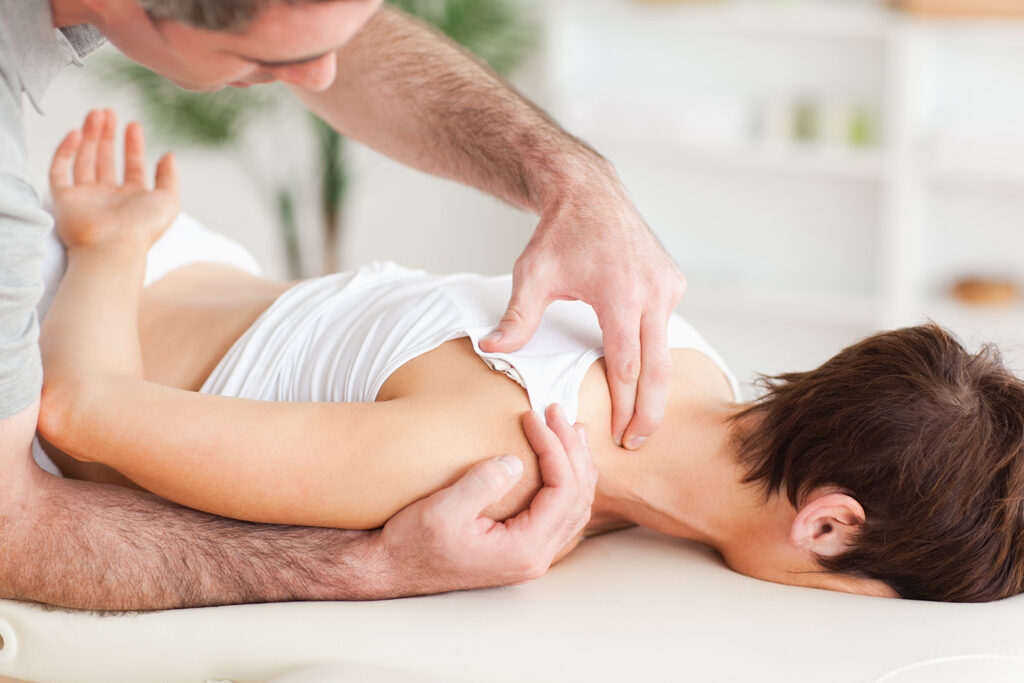
    Traveling so far for massage therapy with back pain can not be easy and risky. You should have a medical massage near me to relieve your back pain and save you time and money without the hassle of traveling. This article will help you explore how medical massage works, its benefits, and what conditions it can address.

    What is Medical Massage?

    Medical massage is used to treat various medical conditions. pain, improve posture, or form of healing. Many of you will think of “massage” as the classic spa treatment that encourages rest and health. Medical massage, which is typically recommended by medical professionals, is not the same as traditional massage.

    Various medical conditions can be treated through medical massage, like chronic back pain, addressing different health issues, lowering inflammation, and enhancing flexibility. Professionals offer personalized sessions as per the unique needs of the body to manage these medical issues and get the desired outcome [2]. 

    How Does a Medical Massage Near Me Work?

    You can find several medical massage therapy clinics and practitioners in your area by using the search bar and entering “medical massage near me.” After selecting the right enhancing message clinic, the  process of a medical massage starts as below:

    Assessment

    The first step towards the medical massage is the assessment of your back pain and medical condition. A therapist examines your physical condition and performs an analysis. They customize your plan according to your body’s specific needs.

    Targetted Treatment

    Treatment begins to increase blood circulation, relieve stress and tension in your muscles, and encourage healing after your back pain has been evaluated and the specific area has been identified. For instance, deep tissue massage will be used to break adhesions and restore muscle elasticity if your back pain is caused by knots and tight muscles. There are so many benefits of deep tissue massage when it comes to body pain relief. 

    Follow-up Care

    Following the medical massage treatment session, the therapist may suggest exercises and stretches to continue to benefit from massage in the future. You are advised to receive follow-up care for long-term relief.

    Benefits of a Medical Massage

    Choosing a medical massage near me can have multiple benefits, even if you have mild or persistent back pain. Let’s explore the top benefits of medical massage therapy for your back pain.

    1. Pain Relief

    Pain can be caused by muscle spasms or tightness. By getting medical massage therapy, tension caused by stress and spasms will be reduced, and circulation will be improved to alleviate the pain [3].

    2. Improve Mobility

    Due to back pain, sometimes your muscles may restrict movement. Medical massage therapy improves flexibility, stretches, and loosens stiff muscles and restores your range of motion by releasing muscle tension.

    3. Improve Circulation

    Muscles and tissues get congested and damaged due to the injury. Medical massage allows the blood and encourages more blood to flow through these injured factors of the site to heal them. This way, metabolic waste in your body fades away from the muscles.

    4. Manage and Reduce Stress

    Medical conditions or back pain can badly impact your mental health and increase stress. Massage not only alleviates your physical discomfort but also calms your nerves, lowers stress levels, and increases cortisol levels. A massage period can also provide you with a relaxing break from your hectic daily routine.

    5. Faster Recovery Time

    To speed up the recovery speed of your back sprain or strain, massage therapy is the best treatment. 

    What Conditions Does It Address?

    Several conditions may be the cause of your back pain, which can range from minor to severe. These illnesses can be treated with massage, which will lessen back pain. Here are various conditions below you can address through medical massage near me:

    1. Muscles Sprains and Strains

    Overuse, lifting, or an unexpected awkward moment can all result in back sprains and strains that damage the muscles, tendons, and ligaments. Back massage therapy strengthens the muscles and stretches them to relieve pain and tension from the muscles [4].

    2. Sciatica

    When your sciatica nerve gets compressed and causes inflammation, pinching, or irritation, pain can occur in your lower back and into your legs. Medical massage therapy reduces pressure and compression of the nerve and discomfort [5].

    3. Herniated Discs

    When pressure is forced on the weak part of the nerve, nearby nerves, or the spinal cord, herniated discs occur [6]. Herniated discs cannot be healed or treated by massage, but they can lessen the pain and inflammation that make it worse.

    4. Fibromyalgia

    Fibromyalgia is the common chronic pain, and back pain is the common symptom. It is a widespread pain that can cause burning, fatigue, and sleep disturbances. Back pain can be lessened and life quality enhanced with massage [7].

    5. Arthritis

    Arthritis may result from inflammation in a particular area of the spine. Back ligaments and tendons may be impacted, leading to persistent pain [8]. Gentle techniques of massage therapy sessions can reduce inflammation and improve flexibility.

    Find the best Medical Massage Near Me

    Locating a medical massage near me is your best bet if you are looking for relief from back pain brought on by any illness, trauma, or bad posture. With the medical massage, you cannot travel so far due to pain. You can save time and money by choosing a local therapist instead of one who must travel.

    Numerous conditions that contribute to back pain and discomfort can be addressed with massage therapy. Choosing a medical massage therapist instead of a traditional one is better to ease your back pain. Consult a qualified therapist and start your journey to prevent discomfort due to your back pain.

    FAQs

    1. How many sessions does the therapist need to conduct to achieve the intended results?

    Your back pain’s intensity and underlying cause will determine how many sessions you need. Many individuals experience relief after several sessions and many experience relief in just one session.

    1. Is taking a medical massage painful?

    Medical massage is not painful at all, but some types of massage, like deep tissue massage, can cause temporary discomfort. You can communicate your comfort level with your therapist.

    1. Will a medical massage help me with my back pain?

    The cause of your back pain is stress and tense muscles. Taking regular medical massage therapy sessions can reduce muscle stress and improve posture to help you with your back pain.

    1. Are the traditional massage and the medical massage the same or different?

    Medical massage is given by a qualified therapist to improve your health and lessen your pain, whereas traditional massage is given at a spa or salon for the body’s relaxation and well-being.

    1. What adverse effects can a medical massage cause?

    There is no side effect of a medical massage but it can cause mild soreness and fatigue after the therapy session, which is the response to the therapy.

    References

    [1] https://www.spinevuetx.com/blog/is-massage-therapy-helpful-for-back-pain/ 

    [2] https://www.aiam.edu/massage-therapy/what-is-a-medical-massage/ 

    [3] https://newyorkcityspine.com/the-benefits-of-massage-therapy-for-back-pain/ 

    [4]https://www.spineinfo.com/conditions/back-strain-sprain-definition-causes-symptoms-diagnosis-and-treatment/ 

    [5]https://my.clevelandclinic.org/health/diseases/12792-sciatica 

    [6]https://www.pennmedicine.org/for-patients-and-visitors/patient-information/conditions-treated-a-to-z/herniated-disc-disorders#:~:text=These%20discs%20are%20made%20up,commonly%20affected%20by%20herniated%20discs

    [7]https://www.healthline.com/health/fibromyalgia/fibromyalgia-back-pain#back-pain-relief 

    [8]https://www.hopkinsmedicine.org/health/conditions-and-diseases/spinal-arthritis#:~:text=Osteoarthritis%20of%20the%20Spine&text=It%20usually%20affects%20the%20lower,bend%20or%20twist%20your%20back

  • Benefits of Deep Tissue Massage for Frozen Shoulder

    Benefits of Deep Tissue Massage for Frozen Shoulder

    Frozen shoulders can be a frustrating and painful condition, limiting your range of motion and making even everyday tasks difficult. According to studies, around 2-5% of people will deal with frozen shoulders in their lifetime. [1] 

    If you’re one of them, you’ve probably experienced the pain and frustration of not being able to move your shoulder or do everyday things like reaching for something or getting dressed. Traditional treatments like pain medication or physical therapy may help, but they often don’t provide lasting relief. Deep tissue massage, however, can help ease the pain, improve movement, and speed up recovery. 

    What is a Frozen Shoulder?

    Before delving into the benefits of deep tissue massage, let’s first understand what a frozen shoulder is and how it affects your daily life. A frozen shoulder causes stiffness and limited movement in the shoulder joint. This discomfort and restriction in movement can feel overwhelming, making even the most basic activities a struggle. [2]

    Frozen Shoulder

    The condition develops slowly in three stages;

    1. Freezing Stage is a gradual onset of pain and stiffness, making movement increasingly difficult.
    2. Frozen Stage in which pain may decrease, but the shoulder becomes significantly stiff, limiting daily activities.
    3. Thawing Stage refers to the gradual improvement in mobility as the stiffness subsides.

    Frozen shoulders can last several months to years without proper treatment and intervention.

    Common Causes

    • Post-Injury or Surgery: Immobilization after an injury or surgery can lead to a frozen shoulder.
    • Chronic Conditions: Diabetes, thyroid disorders, or cardiovascular diseases increase the risk.
    • Age and Gender: Most common in individuals aged 40–60, especially women. [1]
    • Prolonged Immobility: Conditions like stroke or fractures that limit arm movement.
    • Inflammatory Disorders: Conditions like arthritis that inflame surrounding tissues.

    Conventional Treatments

    • Exercises to enhance flexibility and restore range of motion.
    • Medications, like pain relievers and anti-inflammatory drugs, are used for pain management.
    • Steroid injections reduce inflammation and alleviate pain.
    • In severe cases, procedures like shoulder manipulation or arthroscopy may be necessary.
    • Complementary treatments like massage, acupuncture, or heat therapy support medical interventions.

    What is Deep Tissue Massage? 

    Deep tissue massage is a therapeutic technique that focuses on the deeper layers of muscles and connective tissues. Unlike lighter massages, which focus on the surface muscles, deep tissue massage applies firm pressure and slow strokes to reach the deeper muscles, tendons, and fascia (the connective tissue surrounding muscles). It is also used to treat chronic pain, muscle tension, and stiffness, especially in areas like the neck, back, knee, and shoulders.

    Deep Tissue Massage

    Key Features of Deep Tissue Massage:

    • Pressure: Stronger pressure is applied to reach the deeper muscle layers and break down adhesions (scar tissue) or muscle knots.
    • Techniques: These include slow, deliberate strokes and friction applied across the muscle fibers.
    • Focus Areas: Primarily targets areas of chronic pain, muscle tightness, ss, and limited movement.
    • Benefits: Reduces muscle tension, alleviates pain, improves circulation,n and enhances range of motion.
    • Duration: Sessions typically last 60-90 minutes, depending on the severity of the condition.

    This massage is particularly effective for individuals with conditions like frozen shoulder, as it helps release tightness and improve joint mobility.

    How Deep Tissue Massage Helps Frozen Shoulder?

    Here’s how deep tissue massage helps with a frozen shoulder: [3]

    Deep Tissue Massage

    1. Muscle Tension and Knots

    Frozen shoulders often result in tightness and muscle knots, which can further limit movement and increase pain. Trigger point therapy focuses on certain points of tension in the muscles, where knots or “trigger points” develop. The massage therapist applies firm pressure to these areas to release the tension and improve the muscle’s flexibility.

    In conjunction with trigger point therapy, myofascial release targets the fascia (the connective tissue) surrounding the muscles. This technique involves gentle, sustained pressure to loosen the tight fascial tissue and release restrictions that may be contributing to stiffness. By loosening up these tight areas, deep tissue massage helps reduce muscle spasms, promoting easier movement in the shoulder joint.

    2. Blood Circulation

    Blood circulation helps in healing while a frozen shoulder is often accompanied by reduced circulation due to muscle tightness and inflammation. Deep tissue massage techniques such as cross-fiber friction and deep friction massage are specifically designed to improve circulation in the affected areas.

    • Cross-fiber friction: This technique involves applying deep pressure and moving the hands perpendicular to the muscle fibers, which encourages better blood flow and reduces scar tissue formation.
    • Deep friction massage: This focuses on applying pressure to the muscle fibers in the same direction as the muscle fibers to stimulate circulation and break down adhesions within the tissue.

    3. Alleviate Pain

    The constant pain associated with frozen shoulders can be debilitating, making daily activities daunting. Deep tissue massage sustains deep pressure on specific muscles and tissue layers, which stimulates the release of endorphins, the body’s natural painkillers, providing further relief.

    Additionally, stretching techniques are often integrated into deep-tissue massage. By gently stretching the shoulder muscles during the massage, therapists can help increase the joint’s flexibility. The increased mobility can help break the cycle of pain, improving comfort in the shoulder and allowing for a better range of motion.

    4. Range of Motion

    Restoring mobility is a central goal in the treatment of frozen shoulders and deep tissue massage can be a vital part of this process. Active release technique (ART) involves using both hands to apply pressure to a muscle or tendon while the patient moves the affected joint. The movement of the joint while pressure is applied helps to release tension and scar tissue, encouraging the muscle to stretch and return to its normal state. This technique is especially helpful in breaking down adhesions that limit joint motion.

    Another technique used for restoring range of motion is positional release therapy (PRT). In this technique, the therapist places the shoulder joint in a specific position to relieve tension in the muscles and tissues surrounding the shoulder. This helps to reset the muscle’s natural length and increases its flexibility, allowing for smoother movement and less stiffness.

    5. Inflammation

    Deep tissue massage reduces inflammation and speeds up healing by working on soft tissues and stimulating the lymphatic system. Soft tissue mobilization involves applying slow, controlled pressure to stretch and realign the connective tissues, which helps decrease swelling and inflammation by improving fluid drainage from the affected area. 

    Moreover, lymphatic drainage, a technique used in deep tissue massage, applies gentle pressure and rhythmic strokes to encourage the movement of lymph fluid. This process helps flush out toxins and excess fluids, reducing swelling and promoting quicker recovery in the shoulder joint.

    6. Flexibility

    A key part of recovery from a frozen shoulder is restoring flexibility, which helps prevent future injuries and improves overall shoulder health. Deep tissue massage can help lengthen tight muscles and improve flexibility through targeted stretching. Stretching the muscles surrounding the shoulder joint during massage encourages the muscles to relax and elongate, improving the joint’s range of motion.

    Regular deep-tissue massage sessions, combined with exercises prescribed by a physical therapist, can help maintain shoulder flexibility and prevent the muscles from tightening up again, which is essential for long-term recovery.

    Precautions and Considerations

    While deep tissue massage is highly beneficial, certain precautions should be taken before using it to ensure safety and effectiveness:

    Deep Tissue Massage

    • Always seek advice from a doctor or physical therapist, especially if you have any medical conditions.
    • Do not undergo deep tissue massage if you have open wounds, fractures, or acute inflammation.
    • Individuals with blood clotting disorders, osteoporosis, or cardiovascular issues should avoid this therapy unless cleared by a doctor.
    • Ensure your massage is performed by a licensed and experienced therapist.
    • Inform your therapist about any discomfort to prevent excessive pressure or injury.

    To maximize the benefits, combine deep tissue massage with physical therapy and home exercises tailored to improve flexibility and strength.

    Final Words

    A deep tissue massage is an effective tool for those dealing with frozen shoulders. Targeting the deeper muscle layers helps lessen the pain, increase mobility, and speed up recovery. The technique not only releases tight muscles but also helps in healing by improving blood flow and breaking down scar tissue. For anyone struggling with the discomfort and limitations of a frozen shoulder, incorporating deep tissue massage into your treatment plan can offer lasting relief and help you to do your daily activities easily.

    Frequently Asked Questions

    Is deep tissue massage good for frozen shoulders?

    Yes, deep tissue massage can help reduce pain stiffness and improve range of motion by targeting tight muscles and breaking down adhesions in the shoulder.

    What is the fastest way to heal a frozen shoulder?

    The fastest recovery often combines physical therapy, stretching exercises, and treatments like deep tissue massage to improve mobility and alleviate pain.

    Is deep tissue massage good for shoulder pain?

    Yes, deep-tissue massage is effective for relieving shoulder pain by targeting deep muscle layers and reducing muscle tension and inflammation.

    Is vibration good for frozen shoulders?

    Vibration therapy can reduce pain and improve circulation, offering relief for frozen shoulders by stimulating muscle relaxation and enhancing tissue healing.

    Reference

    [1] https://www.ncbi.nlm.nih.gov/books/NBK326432/

    [2] https://www.webmd.com/a-to-z-guides/what-is-a-frozen-shoulder 

    [3] https://www.healthline.com/health/10-massages-and-stretches-for-a-frozen-shoulder

  • Top 10 Exercises for Immediate Back Pain Relief

    Top 10 Exercises for Immediate Back Pain Relief

    Back pain is a common problem that affects millions worldwide. Whether from long hours at a desk, lifting heavy objects, or daily stress, back pain can disrupt daily life. The news is that old people aren’t the only ones who can suffer through back pain. In fact, many youngsters go through this problem due to their lifestyle.

    Fortunately, simple exercises can provide relief. Here are the top 10 exercises for quick back pain relief.

    back pain

    1. Cat-Cow Stretch

    The Cat-Cow stretch improves spine flexibility and relieves tension. Start on your hands and knees [1]. Arch your back while looking up for the Cow pose, then round your back while tucking your chin for the Cat pose. 

    Repeat this sequence for one to two minutes, breathing deeply as you move between poses. This exercise is great for gently warming up your spine. This exercise can be as effective to you as a deep tissue massage.

    Cat-Cow Stretch

    2. Child’s Pose

    Child’s Pose gently stretches the lower back and hips, relieving tired muscles. Kneel on the floor with your big toes touching and your knees slightly apart. Sit back onto your heels, reaching your arms forward on the floor. 

    Hold this position for 30 seconds to one minute, allowing your shoulders to relax as you take deep breaths. This calming pose helps ease back tension and promotes relaxation.

    3. Knee-to-Chest Stretch

    The Knee-to-Chest stretch targets the lower back, helping to release tightness and improve flexibility [2]. Begin by lying on your back with your knees bent and feet flat on the floor. Gently pull one knee toward your chest, holding it with both hands. 

    Hold the position for 20 to 30 seconds, then switch legs. Keep your back flat on the floor to maximize the stretch and prevent strain. 

    4. Piriformis Stretch

    The piriformis muscle can trigger back pain when it becomes tight. To perform this stretch, lie on your back with your knees bent. Cross one leg over the opposite thigh, then gently pull the uncrossed thigh toward your chest. 

    Hold the stretch for 30 seconds before switching sides. This stretch may also help relieve sciatic pain. Furthermore, if this exercise doesn’t help you with pain, try sports massage.

    5. Pelvic Tilt

    The pelvic tilt exercise strengthens the lower back’s core muscles, helping reduce pain. Start by lying on your back with your knees bent. Tighten your stomach muscles, pressing your lower back flat against the floor. Hold this position for five to ten seconds before releasing. 

    Repeat the movement 10 to 15 times. This simple exercise is excellent for building strength and stability in the lower back area.

    Pelvic Tilt

    6. Bridge Exercise

    The bridge exercise strengthens the glutes and lower back muscles, supporting the spine. Lie on your back with your knees bent and feet flat on the floor [3]. Lift your hips until your body forms a straight line from your shoulders to your knees. 

    Hold the position for five to ten seconds, then lower your hips back down. Repeat this exercise 10 to 15 times, squeezing your glutes at the top to increase the effect. Furthermore, a deep tissue massage can also help out with back pain.

    7. Seated Forward Bend

    The Seated Forward Bend is a gentle stretch for the lower back and hamstrings, helping to relieve stiffness. Sit on the floor with your legs extended straight in front of you. Slowly reach forward toward your toes, bending at the waist. 

    Hold the position for 20 to 30 seconds without forcing the stretch. This exercise can increase flexibility and release lower back and leg tightness.

    8. Cobra Stretch

    The Cobra Stretch is designed to lengthen the spine and relieve tension in the lower back. Lie face down on the floor with your hands placed under your shoulders. Press into your hands to lift your chest off the floor, allowing your back to gently arch. 

    Hold this position for 20 to 30 seconds. Keep your elbows slightly bent, and avoid straining your neck as you stretch.

    9. Wall Sits

    Wall sits help build strength in the lower back and legs, offering support to the spine. Stand with your back against a wall and your feet hip-width apart. Slide down the wall until your knees are at a 90-degree angle as if sitting in an invisible chair. 

    Hold the position for 20 to 30 seconds before standing up. This simple exercise effectively strengthens the lower body and eases back pain.

    10. Standing Back Extensions

    The Standing Back Extension exercise is ideal for relieving back pain caused by prolonged sitting [4]. Stand with your feet hip-width apart and place your hands on your lower back for support. Gently arch your back, looking up as you do so. 

    Hold this position for a few seconds, then return to standing. Repeat this exercise five to ten times for quick relief during work breaks or after long periods of sitting.

    Conclusion

    Back pain doesn’t have to control your life. You can find immediate relief and improve your back’s health with simple exercises. Practicing these exercises consistently can reduce tension, increase flexibility, and strengthen the muscles supporting your spine. 

    Always listen to your body and start gently, especially if you’re new to stretching. By incorporating these movements into your daily routine, you’ll not only relieve pain but also prevent future discomfort.

    If you also want to get rid of your back pain and enjoy a relaxing massage, reach out to enhancing massage.

    FAQs

    1. How long should I hold each stretch?

    Ideally, hold each stretch for about 20 to 30 seconds. This length allows your muscles to relax and extend fully, improving flexibility. If you’re a beginner, start with shorter holds and gradually increase as you feel more comfortable.

    1. How often should I do these exercises?

    Doing these exercises daily or at least three times a week can help keep back pain at bay. Regular practice strengthens muscles, promotes flexibility, and relieves discomfort. Consistency is key to maintaining a healthy back.

    1. Can these exercises help in chronic back pain relief?

    These exercises may help alleviate symptoms of chronic back pain, but they aren’t guaranteed. For severe or persistent pain, consult a healthcare professional for an accurate diagnosis and a tailored treatment plan. 

    1. Should I do these exercises if I feel pain?

    If you feel mild discomfort, it’s usually safe to proceed gently. However, if any exercise causes sharp, intense pain, stop immediately. Pain signals that something might be wrong, and pushing through could worsen your condition. Always prioritize safety and listen to your body.

    1. Do I need special equipment for these exercises?

    No special equipment is required. Most exercises rely on body weight and can be done on a yoga mat or soft surface. This accessibility makes it easy to integrate these stretches into your daily routine, whether at home, the office, or even outdoors.

    References

    [1] https://benchmarkphysio.com.au/physiotherapy-exercises-for-lower-back-pain/

    [2] https://www.movementforlife.com/articles/physical-therapy-lower-back-pain-10-best-exercises-relief

    [3] https://www.medicalnewstoday.com/articles/322582

    [4] https://itnycpt.com/7-proven-lower-back-pain-relief-exercises-for-daily-relief/

    [5] https://www.healthline.com/health/fitness-exercise/upper-back-pain-exercises

  • Why PEMF Therapy is a Game-Changer for People with Joint Pain?

    Why PEMF Therapy is a Game-Changer for People with Joint Pain?

    Joint pain can be debilitating, affecting millions of people worldwide. Whether it’s caused by arthritis, injury, or wear and tear, joint discomfort can significantly reduce one’s quality of life. Conventional treatments like medication and physical therapy can help but often don’t offer long-lasting relief. 

    That’s where PEMF therapy (Pulsed Electromagnetic Field) comes in. This innovative therapy has emerged as a promising solution for easing joint pain. But how does it work, and why is it a game-changer for those suffering from joint pain?

    What is PEMF Therapy?

    PEMF therapy uses electromagnetic fields to stimulate healing at the cellular level. It’s a non-invasive treatment that sends short bursts of electromagnetic waves through the body [1]. These pulses penetrate deep into tissues, improving circulation, reducing inflammation, and promoting natural recovery processes.[2]

    Unlike medications that only manage symptoms, PEMF (Pulse ElectroMagnetic Field) therapy addresses the root cause of joint pain by helping the body heal itself. This makes it an attractive option for people who want a natural, drug-free approach to managing pain [3].

    How PEMF Therapy Helps with Joint Pain

    Another of the primary mechanisms of PEMF therapy is that it helps to fight inflammation. Pain is commonly associated with inflammation, to the extent that inflammation is the root cause of joint pain, such as arthritis. The therapy eliminates discomfort by focusing on inflammation; the benefit is permanent [4].

    These also developed blood circulation, which is essential in tissue repair. Increased circulation enhances the delivery of oxygen and vital nutrients to dead tissue, hence faster healing. In people with chronic joint conditions, PEMF therapy positively affects aching and prevents the condition from worsening.

    Research has demonstrated that PEMF treatment can move stiff or painful joint areas. This can be very helpful to those who lose mobility when performing their daily activities. Whether the patient has a history of an injury or arthritis, PEMF therapy aids in joint decomposition and strength over time.

    A Drug-Free Alternative

    Most patients with joint pain rush to the pharmaceutical store to buy some pain relievers or anti-inflammatory drugs. That is why many people prefer to use such medications because they can help with pain, but they have side effects, including sleepiness, stomach problems, and dependencies. PEMF therapy is thus safer, more effective, and a time remedy to pain without the need for prescription drugs [5].

    Since PEMF therapy stimulates the body’s natural healing abilities, it is not a treatment that can simply cover up the symptoms. It helps detoxify the body, promoting healing without taking medicine. This could result in improved general health among patients and minimal side effects related to drug use for a long time.

    PEMF Therapy is Non-Invasive and Safe

    What we like about PEMF therapy is that it is entirely non-incursive. It’s important to note that you don’t need surgery, injections, or anything that will take time to heal [6]. No contact is used on the client during the therapy; the therapy involves placing the client on a mat with electromagnetic pulses or holding a handheld device.

    One of the most essential advantages of PEMF therapy is that it is completely safe for most people with no known side effects. Anyone who undergoes the practice feels only slight discomfort, such as tingling or warmth, within the area where the practice is done. For individuals who cannot afford costly surgeries or are allergic to some medicinal drugs, PEMF therapy is the most appropriate.

    How Long Does PEMF Therapy Take to Work?

    Often, a few sessions are sufficient to experience relief, and such an effect can be unique to everyone. In other individuals, it may be possible to discern the cause for treatment in a few weeks of adherence.

    The duration and frequency of the sessions will be determined by how severe the joint pains are. Some individuals have a PEMF therapy routine daily, while others may do it a few times a week. To follow the above procedure for every case, it is necessary to consult a healthcare professional for further directions.

    Who Can Benefit from PEMF Therapy?

    People of all ages suffering from joint pain can benefit from PEMF therapies. This includes those with arthritis, bursitis, tendinitis, and many other inflammatory joint diseases [7]. PEMF therapy can also be a bonus to athletes with joint injury problems because it helps in recovery without surgery or drug intake.

    It works for those with certain types of joint sicknesses and those who complain of stiffness or discomfort resulting from aging. Unfortunately, this useful option is ignored. It can be helpful to anyone seeking to enhance their joint mobility and diminish pain.

    Conclusion

    PEMF therapy is an effective modern technology for joint pain treatment. It helps to fight inflammation, increase blood flow, and repair at the DNA level, which makes it quite beneficial for anyone struggling with chronic joint pain [8]. Compared to conventional treatments, PEMF therapy is noninvasive and nonpharmacological, attacking the source of pain instead of masking it.

    If you also suffer from arthritis or chronic joint pain, contact Enhancing Massage to get rid of these problems and lead a healthy lifestyle.

    FAQs

    1. Is PEMF therapy safe?

    Yes, PEMF therapy is considered safe for most people. It is non-invasive and has minimal side effects. However, people with certain medical devices, like pacemakers, should consult a doctor before starting treatment.

    1. How often should I use PEMF therapy?

    The frequency depends on the individual’s condition. Some people may need daily sessions, while others may benefit from treatment a few times a week. A healthcare provider can guide you on the best plan.

    1. Does PEMF therapy hurt?

    No, PEMF therapy is painless. Some people might feel a slight tingling or warmth during the session, but these sensations are generally mild and temporary.

    1. Can PEMF therapy replace medications?

    While PEMF therapy can reduce the need for medications, it is important to consult with a healthcare provider before stopping any prescribed medications. It can complement traditional treatments for better results.

    1. How long does it take to see results?

    Some people notice relief after just a few sessions, while others may need several weeks of treatment. The speed of results can vary based on the severity of the condition.

    References

    [1]. https://www.ncbi.nlm.nih.gov/pmc/articles/PMC3791961/#:~:text=Findings%20from%20Fischer%20and%20coworkers,PEMF%20therapy%20for%206%20weeks.&text=Patients%20had%20an%20increase%20in,after%20the%20end%20of%20treatment.

    [2] https://pemf.com.au/blog/pemf-therapy-arthritis-pain/

    [3] https://www.medicaljournals.se/jrm/content/html/10.2340/16501977-2613

    [4] https://www.blueqhealth.com/benefits-of-pulsed-electromagnetic-field-therapy-for-rheumatoid-arthritis

    [5] https://www.ncbi.nlm.nih.gov/pmc/articles/PMC7401674/

    [6] https://www.sciencedirect.com/science/article/pii/S0753332220309604

    [7] https://archivesofrheumatology.org/full-text/311

    [8] https://www.recoverysystemssport.com/pemf-therapy-game-changer-osteoarthritis/?srsltid=AfmBOoocQ-nyDSK93PyCL8eDMaopEgJmS3CTxAm61zwjhHnDANqpjJh-

  • Deep Tissue vs. Sports Massage: Which One Is Right for Your Needs?

    Deep Tissue vs. Sports Massage: Which One Is Right for Your Needs?

    Massage therapy is a powerful way to relieve muscle pain, improve flexibility, and relax. Many people turn to massage to feel better, whether they are dealing with stress, physical discomfort, or even recovering from an injury. Among the different types of massage available, deep tissue and sports massage are popular options. But which one is right for you?

    In this guide, we’ll discuss the differences between these two types of massage, what each can do for you, and how to choose the right one for your needs.

    What Is Massage Therapy?

    Massage therapy uses hands-on techniques to manipulate muscles, tendons, and soft tissues. This can help reduce pain, relieve tension, improve blood flow, and promote healing [1]. Many people use massage to relax and unwind, while others use it to recover from physical injuries or to improve their athletic performance.

    There are many types of massage, but two of the most common are deep tissue and sports. Though these massages share some similarities, they are designed to serve different purposes.

    What Is Deep Tissue Massage?

    Deep tissue massage is a therapy that focuses on realigning deeper layers of muscles and connective tissues. It is often recommended for people with chronic muscle pain, stiffness, or tension. Unlike other types of massage that focus on relaxing the surface muscles, deep tissue massage goes deeper, working on the underlying muscles that are harder to reach.

    This type of massage uses slow, firm strokes and deep pressure. The goal is to break down adhesions, which are painful, tight muscle tissue bands [2]. Adhesions can limit movement and cause pain, especially in the neck, back, and shoulders. Deep-tissue massage can relieve pain and improve mobility by breaking down these knots.

    What Is Sports Massage?

    Sports massage is designed for athletes and people with regular physical activity. It helps improve performance, prevent injuries, and aid in recovery after exercise. This type of massage focuses on the muscles used during sports or physical activity, helping to keep them flexible and free from tension.

    Sports massage includes techniques like stretching, deep pressure, and rhythmic strokes. The goal is to increase blood flow to the muscles, which helps them recover faster after physical exertion [3]. By improving circulation, sports massage also helps flush out toxins and waste products from the muscles, reducing soreness.

    The Benefits of Deep Tissue Massage

    Pain Relief for Tight Muscles

    Deep tissue massage is great for relieving chronic muscle pain and tension. It targets deep layers of muscles, helping to release tight areas. If you have constant back or neck pain, this massage can ease the discomfort by loosening the muscles.

    Better Blood Flow and Healing

    Deep tissue massage improves blood circulation. When blood flow increases, more oxygen and nutrients reach your muscles. This helps your muscles heal faster and reduces inflammation. It’s especially helpful for people recovering from injuries or dealing with scar tissue.

    Helps with Posture

    Sitting for long hours or slouching can cause muscle imbalances. Deep tissue massage can correct these problems by relaxing tight muscles and improving posture [4]. This is useful for people with desk jobs or poor posture habits.

    The Benefits of Sports Massage

    Prevents Injuries and Keeps Muscles Flexible

    Sports massage is perfect for athletes and active people. It helps prevent injuries by keeping muscles loose and flexible. The massage targets muscles in physical activities so they don’t get too tight or overworked.

    Improves Performance and Recovery

    Sports massage boosts performance for athletes by increasing muscle endurance and preventing cramps. It also speeds up recovery after intense workouts or games by improving blood flow. This reduces muscle soreness and helps you get back to your activities sooner.

    Great for Active People and Physical Jobs

    Even if you’re not an athlete, sports massage is beneficial if you exercise regularly. It’s also helpful for people with physically demanding jobs or hobbies that stress their muscles.

    Differences Between Deep Tissue and Sports Massage

    Purpose

    Deep tissue massage is aimed at relieving chronic muscle pain and tension. It’s best for people dealing with long-term discomfort or postural issues [5]. Sports massage improves athletic performance and prevents injuries, making it ideal for athletes or active individuals.

    Focus

    Deep tissue massage treats specific problem areas, such as tight muscles or knots. Sports massage, however, helps maintain muscle health and speed up recovery after physical activities by focusing on muscles used during exercise.

    Techniques

    Deep tissue massage uses slow, firm strokes to reach deep muscles. Sports massage combines deep pressure with stretching and active movements to improve flexibility and range of motion.

    How to Choose the Right Massage for You

    Choosing between deep tissue and sports massage depends on your needs and lifestyle. Deep-tissue massage is likely the best option if you suffer from chronic muscle pain, tension, or poor posture [6]. It works well for people who sit for long hours at work, have muscle knots, or need help with injury recovery.

    If you’re an athlete or someone who exercises regularly, sports massage may be more suited to your needs. It’s excellent for preventing injuries, improving flexibility, and helping you recover faster after physical activity.

    Conclusion

    Both deep tissue massage and sports massage offer unique benefits, depending on what you’re looking for. Deep tissue massage is ideal for those with chronic pain or tension, while sports massage is designed for athletes and active people who need to maintain their performance and recover faster [7].

    Massage therapy is a versatile treatment that can help improve your physical health, relieve pain, and even reduce stress. Whether you choose deep tissue or sports massage, if you want the best services, you should go nowhere other than Enhance Massage.

    FAQs

    1. What is the main difference between deep tissue and sports massage?

    Deep tissue massage relieves chronic pain and tension, while sports massage targets muscle recovery, flexibility, and injury prevention, especially for athletes or physically active individuals.

    1. Can non-athletes benefit from sports massage?

    Yes, non-athletes can benefit from sports massage. It helps improve flexibility, reduce muscle soreness, and prevent injuries for anyone with an active lifestyle or physically demanding jobs.

    1. Is deep tissue massage painful?

    Deep tissue massage can be intense and cause discomfort due to the pressure applied. However, it helps relieve long-term muscle pain; any soreness usually fades after the session.

    1. Which massage is better for muscle recovery after exercise?

    Sports massage is better for muscle recovery after exercise. It helps increase blood flow, reduce soreness, and speed up recovery, allowing you to return to physical activity more quickly.

    1. How often should I get deep tissue or sports massage?

    For chronic pain, deep tissue massage can be done weekly or bi-weekly. Athletes may benefit from regular sports massages.


    References:

    [1] https://www.discovermassage.com.au/blog/the-difference-between-deep-tissue-and-sports-massage/#:~:text=A%20person%20may%20have%20more,muscular%20pain%20and%20mental%20stress.

    [2] https://www.westendwellness.ca/blogs/difference-between-sports-and-deep-tissue

    [3] https://secretspa.co.uk/magazine/sports-massage-vs-deep-tissue-massage

    [4] https://secretspa.co.uk/magazine/sports-massage-vs-deep-tissue-massage

    [5] https://bendtotalbodychiropractic.com/chiro-blog/sports-massage-versus-deep-tissue-massage/

    [6] https://pressmodernmassage.com/blogs/going-deep/deep-tissue-vs-sports-massage

    [7] https://www.futurefit.co.uk/blog/difference-between-deep-tissue-and-sports-massage/

  • What Does PEMF Therapy Do: How It’s Changing Lives

    What Does PEMF Therapy Do: How It’s Changing Lives

    Pulsed Electromagnetic Field (PEMF) therapy is an electromagnetic treatment for pathologies of joints and muscle tension. This drug-free, non-invasive therapy has the effects of magnetic fields to promote and repair biological functions. PEMF can reduce pain, improve sleep, and promote rapid recovery.

    As people look for a natural means to support their health, PEMF therapy is a way to go. Today, we will explain what PEMF therapy is, how it works, and what kind of benefits it brings, as well as answer most of the questions you may have concerning this therapy:

    What is PEMF Therapy?

    This therapy is based on applying low-frequency electromagnetic signals to the human body for some time, which affects the cells. These electron+-guided waves feel like they are coming through the therapist’s hands, transmitting mechanical currents as twitches in the electromagnetic field. PEMF therapy aims to enhance cellular function and may thus be used for multiple purposes. It is more effective than a deep tissue massage.

    They extend far into tissue and metabolic layers and affect the muscles, joints, and some organs. Such interaction causes cells within the body to operate at their optimal best, leading to healing, pain reduction, and overall good health.

    How Does PEMF Therapy Work?

    PEMF therapy involves activating cells with electrical energy.[1] As you know, cells in our bodies use electric signals to communicate, and occasionally, these signals can be interfered with by injury, disease, or aging. 

    PEMF therapy helps restore cell communication and prompts the cells to need repair and regeneration. This process helps enrich blood circulation, decrease inflammation, and promote all the natural healing processes in the body, which leads to improved health.

    Benefits of PEMF Therapy

    Here are the top benefits of PEMF therapy that make it stand out:

    1. Pain Relief

    Many people consider PEMF therapy to be particularly effective in treating pain, which is why it is highly sought after for the treatment of chronic pain.[2]

    It does this by decreasing inflammation across the body, as most pain stemming from injuries, arthritis, and many other conditions comes from inflammation. Regarding the benefits of applying the PEMF therapy, blood circulation is enhanced so that oxygen and nutrients are brought more efficiently to the tissues to reduce inflammation and accelerate the healing process. 

    2. Improved Sleep

    Another area that can be positively influenced by PEMF therapy and which, unfortunately, is not given much attention is the ability of the therapy to enhance sleep quality. Most users say they enjoy a deeper, more restorative sleep if they go through a routine PEMF therapy session. 

    The therapy helps reduce stress and relaxation, which are very important areas when it comes to the issue of sleep. Since many individuals today have difficulty sleeping or are generally experiencing a lack of sleep, PEMF therapy can be used without chemicals to improve sleep rates

    3. Enhanced Recovery

    Sportsmen and those who engage in regular physical exercises may encounter difficulties, such as those arising from injuries or muscle fatigue.[3] PEMF therapy has been applied in sports because it enhances the rate of recovery time. PEMF therapy utilizes electromagnetic pulses that can effectively penetrate muscles and tissues and reach deep for faster healing and recovery. 

    If you have a sports injury or have had surgery, PEMF therapy will assist you in regaining your activities much faster. Improved circulation and decreased inflammation rate observed during the therapy promote healing and tone up tissues, making it harder for them to incur injuries in the future.

    4. Increased Energy Levels

    The energy level is another great improvement that patients derive from PEMF therapy. Most people who take regular PEMF sessions express extra energy and are free from extreme fatigue. This increase in energy is a result of the convention that the therapy enhances the proper functioning of cells so that all cells are functioning as they are supposed to. 

    When everything works right in your cells, your body does not require a lot of input to achieve routine tasks and vos and thus has the energy to get through the day. If you have trouble with chronic fatigue or you just don’t have enough energy to face another ordinary day – you need PEMF therapy.

    5. Improved Bone Health

    PEMF therapy can also be used effectively to reverse bone loss. This is especially the case with elderly people or those prone to osteoporosis, a situation that is normally associated with frail and somewhat brittle bones. 

    For PEMF therapy, beneficial effects have been described, including increased mineralization of the bones and the promotion of fracture healing. The therapy works by stimulating the growth of new bone cells. Therefore it encourages the building of new bones which will not fracture as easily and contribute to the general strengthening of bones. 

    6. Stress Reduction and Mental Well-being

    Besides the physical health benefits associated with PEMF therapy, mental health is also improved. Stress and anxiety are some of the challenges that are prevalent in today’s society, and therapy can assist in diminishing them. 

    One of the ways PEMF therapy enhances the body’s homeostasis is by checking on the stress hormone and conveying an emotion resembling peace and calmness. 

    Conclusion

    PEMF therapy is a highly effective and multifunctional procedure for all those people who find improving their health without drugs useful.[4] From treating chronic pain to improving sleep and enhancing energy, PEMF therapy has numerous benefits that any traditional therapy cannot meet. 

    This is one of the safest procedures available and does not use drugs to promote healing, thus making it the best addition to any correspondence course. Before engaging in PEMF therapy, always seek the guidance of a skilled doctor or manual therapist to know whether it fits you and how best to maximize treatment.

    FAQs

    1. Is PEMF Therapy Safe?
      Yes, PEMF therapy is conducted and considered safe for most patients. This is a non-atrophic procedure, and it does not require medicines or surgery.
    2. How Often Should I Use PEMF Therapy?
      It depends on your medical condition. It is a tool they apply every day or once a day, and some apply it at most a few times a week.
    3. Does PEMF Therapy Hurt?
      As far as PEMF therapy is concerned, it is important to say that such therapy is not painful at all. Some people may feel prickly, but there is no pain.
    4. Can PEMF Therapy Be Used With Other Treatments?
      PEMF therapy can be added to existing treatments like physical therapy or medication.

    References

    [1] https://www.sciencedirect.com/science/article/pii/S0753332220309604

    [2]https://www.sciencedirect.com/topics/medicine-and-dentistry/pulsed-electromagnetic-field-therapy 

    [3] https://www.ncbi.nlm.nih.gov/pmc/articles

    [4] https://www.who.int//news-room/questions-and-answers/item/stress/

  • The Benefits of Cupping Therapy for Pain Relief: How It Works and What to Expect

    The Benefits of Cupping Therapy for Pain Relief: How It Works and What to Expect

    Cupping therapy is perhaps the most recent form of treatment originating from traditional Chinese medicine with reported capabilities of relieving pain. This therapy applies cups to the skin, which are attached to a vacuum to enhance the flow of blood and eliminate deep-rooted inflammation and muscle tension. 

    Engineering and healthcare professionals are now endorsing cupping for pain alleviation, among other issues, muscle aches and stresses. Thus, understanding cupping as a treatment and its positive effects will assist those who have never used the cupping method before and those who will use it again.

    Benefits Of Cupping Therapy

    Cupping therapy is a non-surgical solution that has various health benefits. Here are the most attractive benefits of cupping therapy:

    1. Pain Relief

    Pain relief is one of the crucial reasons patients seek cupping therapy. The pressure created around the cups helps to open the blood flow to the targeted area, diminishing the muscle’s tension and aiding the healing process.  

    Conversely, it is now possible to reduce pain due to increased blood flow. These are chronic arthritis, lower back pain, and fibromyalgia. It is widely used in instances where people experience conditions such as sports-related muscle tension and muscle pain.[1] 

    2. Improved Circulation

    Cupping therapy benefits blood and lymph circulation, both of which are critical to a person’s well-being. Increased blood flow also boosts the oxygen and nutrient supply to various body tissues, thus increasing the chances of faster healing and recovery. 

    For anyone with a circulatory problem, varicose veins, or diabetic problems with circulation, cupping improves blood flow and, hence, vascular health. 

    3. Reduced Inflammation

    Despite the fact that inflammation is a physical body reaction to injury or infection, chronic inflammation poses certain risks to the health of an individual; it results in pain and tissue damage. 

    Research in this area found that cupping therapy is effective for treating inflammation by enhancing the elimination of inflammatory mediators and increasing blood flow. [2]

    4. Relaxation and Stress Relief 

    Apart from physiological aspects, cupping therapy has other advantages, including helping a patient relax and even let go of stress. Depending on the degree of suction and pressure used during a cupping session, the activity stimulates the nervous system and brings serenity to the body, comparable to a deep massage[3]. 

    It can assist in relaxing the muscles, decrease anxiety levels, and enhance the quality of sleep. The relaxation response from cupping therapy can also reduce cortisol levels, which is advantageous for anyone experiencing constant stress. 

    Thus, frequent cupping procedures might be incorporated into a set of practices for managing stress and improving mental well-being. 

     5. Detoxification 

    Cupping therapy is particularly hailed for its cleanup features. That is, the pressure which is produced by the cups is capable of pulling toxins and the waste products of metabolism in tissues and organisms, assisting in their elimination from the body. 

    This process may help boost lymph circulation, which is critical for the proper integration of the immune system and for averting diseases. 

    How Does Cupping Therapy Work?

    The cupping therapy isn’t as painful or complicated as you might think. Here, we explore how cupping therapy works:

    The Basics of Cupping Therapy

    Cupping therapy involves applying cups to the surface of the skin in a way that creates suction, pulling the skin together with the underlying tissue upwards. Traditionally, the cup used was a bamboo container, clay vessel, or glass. 

    Cupping therapy in the contemporary world uses glass or plastic cups fitted with a pump to draw the vacuum. There are two primary types of cupping: Dry cupping and wet cupping.[4] 

    Dry cupping entails devising vacuum pressure without making any cuts to the skin. The cup is then applied to the skin, and air is removed either through a heating lamp or a mechanical pump. 

    Application Techniques

    Cupping therapy offers a variety of techniques tailored to the client’s required treatment and conditions. For targeted treatment of pain or muscle tension, stationary cupping is carried out on specific points and left on the body for several minutes, while active cupping involves gliding the cups across the skin, providing a more dynamic treatment. 

    What to Expect During and After a Cupping Session?

    Knowing what to anticipate might help you feel more comfortable with the procedure. Before the session starts, the practitioner will go over the procedure to be performed and offer reassurances to the patient. 

    Holds are created on the skin; the individual feels tension or is pulled in the cup area. This sensation can range from mild to painful depending on the degree of vacuum sensation and tolerance of the person. 

    Many people who undergo this therapy find it very comfortable and almost painless. Following the session, the patients are left with circular marks on the skin where the cups were applied. 

    Conclusion

    Cupping therapy has far-reaching advantages well beyond simple pain control. Enhancing blood flow, reducing inflammation, promoting relaxation, and detoxifying, this practice has the potential to improve a person’s health at large. 

    Integrating cupping therapy as an additional treatment or as comprehensive healthcare can result in the following physical and mental health improvements. 

    As in any therapy session, it is always advisable to consult a professional to determine the suitability of the cupping therapy given the client’s presenting issues.

    FAQs

    1. What is cupping therapy, and how does it work?

    Cupping therapy involves placing cups on the skin to create suction, which improves blood flow, reduces inflammation, and relieves muscle tension.

    1. What conditions can cupping therapy help with?

    Cupping therapy is beneficial for chronic pain, sports injuries, muscle aches, arthritis, lower back pain, and fibromyalgia.

    1. What should I expect during a cupping therapy session?

    During a session, you’ll feel a pulling sensation where the cups are applied. The practitioner will explain the procedure and ensure your comfort.

    1. Are there any side effects of cupping therapy?

    Common side effects include circular marks on the skin where the cups were applied. These marks usually fade within a few days.

    1. Can cupping therapy help with stress and relaxation?

    Yes, cupping therapy can promote relaxation, reduce anxiety levels, and improve sleep quality by stimulating the nervous system and reducing cortisol levels.

    External Links

    [1]https://www.jagpt.com/blog/cupping-therapy-and-the-athlete/

    [2]https://my.clevelandclinic.org/health/treatments/16554-cupping

    [3]https://peakendurancept.com/cupping-vs-massage-which-therapy-is-right-for-you/

    [4]https://www.drscottdenny.com/blog/578245-what-is-the-difference-between-dry-and-wet-cupping

  • The Benefits of a Deep Tissue Massage for Pain Relief

    The Benefits of a Deep Tissue Massage for Pain Relief

    Deep tissue massage is primarily effective for relieving musculoskeletal problems caused by sports injuries, long work hours, and chronic physical stress. It comprises pressure-sustaining deep strokes that target the internal tensed and tight muscles, breaking the scar tissue to promote healing. 

    The technique works well for muscular strains in the legs, back, neck, shoulder, and hips. However, it can also work on arms or feet (to relieve an elbow injury while playing). Deep tissue massage includes intense massaging patterns, but one doesn’t experience much pain. In the upcoming section, we’ll explore what benefits the technique offers. 

    Advantages Deep Tissue Massage Offers

    Before exploring the countless benefits of this bodywork, it is essential to understand that it differs from all the other massage techniques. Regular massages, like Swedish massage, relieve surface tension, while deep tissue massage focuses on healing the deeper tissues. 

    1. Relieve Chronic Pain

    Deep tissue massage can significantly benefit individuals suffering from chronic conditions like sciatica or fibromyalgia [1]. The rhythmic movements and strokes relieve muscle knots, speeding up healing.

    It also promotes blood circulation and oxygen supply, which reduces muscular stiffness. The technique also helps relieve natural endorphins, which in turn reduce pain. Therefore, regular sessions with expert massagers ensure effective chronic pain management and better well-being. 

    2. Increases Athletic Performance

    Injuries and strains are inevitable for athletes. Some are less intense, and the body can recover quickly. However, others require extra effort to heal and promote physical fitness. Experts recommend including massages like deep tissue massage in your routine. 

    Lactic build-up occurs during the hard sessions, which leads to discomfort as the nutrients and blood fail to reach the exerted areas. This, in turn, leads to muscle stiffness. Scheduling massage sessions after your training sessions reduces muscle fatigue, so your performance remains top-notch in every game. 

    3. Prevents Muscle Damage

    Sports or injuries from other exertions cause adhesions, which lead to muscular damage. However, deep tissue massage uses firm pressure to target the deeper connective tissues, effectively relieving muscular pain. 

    The increase in blood ensures that nutrients are supplied to the muscles, promoting healing. It also produces a compound called mitochondria, which strengthens cell metabolism to speed up healing. [1]

    4. Relieves Inflammation 

    When an injury occurs, the body produces a cushion around the affected tissues to prevent infections. In other words, inflammation is your body’s natural defense to prevent infections. However, more inflammation causes damage as it pressures the surrounding nerves and tissues.  

    Physical mechanisms like deep tissue massage move the stagnant blood in such parts, ensuring healing. Furthermore, it kicks into your immune system, and your body reduces the production of inflammation-fluid, lowering the swellings. 

    5. Reduces Stress

    Stress is the natural way of responding to emotional and physical demands. It is more like your body’s survival mode. However, when the situation resolves, it leaves your body winded, which results in both nervous and muscular strain. 

    Massage techniques reduce stress as they lead to better blood flow, reduced heart rate, and release of endorphins, which relax your mind and body. Athletes prefer massages before or after their games to relieve post- and pre-game stress and regulate heightened emotions. [2]

    6. Promotes Recovery 

    Injuries are everyday occurrences for individuals who like moving their bodies. However, sometimes, your body needs an extra kick to recover entirely from an injury. Massage techniques are among the most successful solutions for relieving sports injuries or post-surgical recoveries. 

    When muscles are tense, they tend to accumulate lymphatic fluid, which increases inflammation and stiffness and results in declined blood circulation. The therapeutic strokes in a deep tissue massage can significantly help release the tension in the affected areas, leading to recovery. 

    7. Relieves Joint Pain

    Joint pain and inflexibility are two other problems that massages relieve. These conditions arise for many reasons, but muscle overuse and soreness are the most common causes. Reduced flexibility ultimately leads to pain and restricted joint movements. 

    Deep tissue massage is one of the most effective ways to promote joint flexibility [3]. As the pressure strokes release the stiffness in the tissues, their elasticity increases, ensuring less joint pain. The gradual rise in body temperatures lessens the strain on muscles, promoting relaxation and a better mood.

    How To Choose The Right Deep Tissue Massage Therapist?

    Deep tissue massage offers countless benefits whether you are an athlete, a sportsman, or a working individual. However, carefully selecting the right massage therapist is critical to ensure all the perks above. Here is a quick breakdown of everything you must consider before scheduling an appointment. 

    • Research thoroughly about the massage therapists available in your local areas. Usually, they are clinic-based, but some offer home services as well. Ensure that they have the needed certifications and licenses. 
    • Next, research their experience, especially in deep tissue massage. Read reviews to gauge their reputations. 
    • If you have specific health conditions, inquire about how the therapists will handle them or if they have handled any such cases in the past. 
    • Discuss your comfort level with the therapist’s gender and touch. Furthermore, verify that their availability aligns with your schedule. 
    • Lastly, compare pricing and packages to find one that fits your budget.

    The Bottom Line 

    Deep tissue massage is a prominent technique for relaxing muscular tension, soreness, and inflammation. It works well for chronic patients, athletes, and anyone who wants to recover from injuries or body stiffness. 

    Though the technique’s benefits are almost endless, it is recommended that you consult your doctor about pain management before making a decision. Once your scrutinization phase is complete, you can enjoy this relaxing massage by visiting Enhancing Massage’s clinic

    FAQs

    1. What to expect during a deep tissue massage?

    It is essential to know that deep tissue massage is a slightly intense technique that targets deeper tissue recovery. However, it is not painful. You’ll feel the targeted muscle work and a soothing relaxation.  

    1. How often should I get a deep-tissue massage?

    The frequency of the therapy depends on individual needs, but once a month is common for maintenance and managing stress or pain. However, still, it is better to consult your doctor first. 

    1. What things should I do before a deep tissue massage?

    The things you must consider before a deep tissue massage include preparing a health information card (to inform the therapist if you’ve had any injuries or so), staying hydrated, taking a warm shower, and not taking heavy meals before the procedure. [5]

    External Links

    [1] https://stretch22.com/diving-into-the-benefits-of-deep-tissue-massage-for-muscle-soreness/#:~:text=Massage%20will%20help%20your%20muscles,cells%20both%20oxygen%20and%20nutrients

    [2]https://www.manchesterphysio.co.uk/treatments/massage/benefits-of-massage/decrease-stress.php#:~:text=Massage%20reduces%20stress%20by%20relaxing,waste%20products%20and%20relieving%20tension

    [3]https://www.physio.co.uk/treatments/massage/benefits-of-massage/increased-flexibility.php#:~:text=Flexibility%20is%20increased%20through%20deep,movement%20help%20to%20increase%20flexibility

    [4]https://deservedmassage.com/how-long-should-your-massage-treatment-last-a-guide-to-massage-session-lengths/#:~:text=A%20Swedish%20massage%20session%20typically,between%2045%20and%2060%20minutes

    [5]https://www.richardfrancissalon.com/salon/2013/01/how-to-prepare-for-a-deep-tissue-massage/

  • The Science Behind Pulsed Electromagnetic Field Therapy: An In-Depth Look

    The Science Behind Pulsed Electromagnetic Field Therapy: An In-Depth Look

    Whether you are an athlete, sportsman, or stay-at-home mom trying to clean your air conditioner before the season, muscle strains and spasms are always peeping from a distance. But, sometimes, these conditions take longer to heal and may even require prolonged treatments.

    To avoid the complications involved in surgery, experts developed a noninvasive method called pulsed electromagnetic field therapy to improve such conditions. Since the technique recently gained popularity, a quick overview can help you understand its sum and substance and why it may work well for you.

    Understanding Pulsed Electromagnetic Field Therapy

    Pulsed electromagnetic field therapy or low-field magnetic stimulation is a magnetotherapy treatment that is widely used to cure musculoskeletal system issues. As the name implies, it uses electromagnetic fields to heal muscular injuries and tissue damage.

    Spiraling back to high-school physics, the current passing through a radiant coil or solenoid produces electromagnetic waves. The devices supplying the current vary the frequency of the magnetic field produced.

    The idea behind PEMF is based on the fact that human body cells have magnetic energies, and an imbalance in these energies causes muscular strains. Science believes applying a magnetic field to such a tissue will fix things [1].

    So, PEMF therapy produces a current around the affected tissue. Charges from the magnetic field move quickly due to the conductance of the human body. The charges’ movement relaxes the underlying tissues to increase the blood flow in the affected area [2].

    The technique can significantly help cure muscle depression and spasms by relaxing the irregular contractions between them. However, some studies also show that PEMF can interfere with the electrochemical reactions that send messages to the brain. Therefore, it is vital to consult an expert before finalizing a decision.

    Common Conditions When PEMF Can Work

    PEMF is a drug-free therapy, and when combined with regular exercise and healthy diets, it can help accelerate the healing from the following situations.

    1. Persistent Inflammatory Conditions

    Chronic inflammation occurs when your body produces inflammatory cells without any outside disruption [3]. Some of the common signs include unexpected and persistent infections, depression, fatigue, etc. Most individuals try prolonged pain medication to cure these conditions, but it may further lead to issues like stomach problems and internal bleeding.

    2. Irregular Sleep Patterns

    Several shreds of evidence hint that pulsed electromagnetic field therapy helps with sustained sleep as it deeply relaxes the body. Relaxation leads to deep sleep, which produces two hormones in your body: Melatonin and Human Growth Hormone (HGH), which are chiefly responsible for ensuring healthy sleep and possess anti-aging properties.

    3. Peripheral Neuropathy

    It is a common condition when the nerves outside the brain and spinal cord cease to function. Usually, it happens when you sit or lay in a position for too long, which causes a lack of blood. Fortunately, PEMF therapies can help regulate normal functioning as they can help improve the symptoms.

    4. Stress Management

    PEMF not only cures stress but also makes the body less reactive towards stressful conditions. The therapy significantly impacts components primarily responsible for stress in the human body, including the nervous system and endocrine. In 2011, the FDA approved transcranial PEMF for the treatment of severe depression that is resistant to medication. [4]

    Benefits of Pulse Electromagnetic Field Therapy

    Pulse Electromagnetic Field therapy works well for both acute and chronic conditions. The procedure usually involves a handheld device that targets the affected area, causing a feeling of relaxation.

    1. Detoxification of Body

    The human body has several mechanisms for excreting substances. However, sometimes, the natural systems need a little boost, and pulsed electromagnetic field therapy provides that. It helps optimize cell functions, which improves organs involved in detoxification, like the liver and kidneys [5]. Improved cell health leads to higher energy levels and a more robust immune system as toxins are experated efficiently.

    2. Muscle Recovery

    PEMF therapy is valuable for muscle injuries as it promotes cellular repair by boosting natural healing . Moreover, it also ensures quick cell growth by relieving unnecessary stress. The increased blood flow, calcium supply in and out of the cells, and oxygen delivery to affected areas help muscles heal more quickly, alleviate soreness, and boost overall muscle performance.

    3. Better Blood Circulation

    Pulsed electromagnetic field therapy also promotes blood circulation. It dilates blood vessels, improving the supply of oxygen and nutrients to tissues and organs. Furthermore, it also regulates blood viscosity because of its anticoagulant properties. PEMF therapies induce flexibility in red blood cells, which helps them flow smoothly in capillaries.

    4. Improved Heart Function

    Another benefit of PEMF is improved heart function. The magnetic fields from the PEMF applicators directly influence the heart’s electromagnetic activities and dilate the blood vessels. It leads to reduced heart workload and ultimately prevents heart-related issues. Furthermore, PEMFs improve cholesterol levels and systolic cardiac function to avoid programmed cell degradations. [5]

    5. Bone Strength

    Pulsed electromagnetic field therapy is famous for its positive effects on bone strength and healing. It helps stimulate osteoblastogenesis and invigorates bone marrow activities, leading to enhanced bone strength [6]. Due to its peculiar healing properties, PEMFs help treat patients with delayed hairline fracture injuries.

    Set Up An Appointment

    Pulsed electromagnetic field therapy has been around for decades. However, the technique has recently gained popularity due to its uncomplicated nature. It is a noninvasive method that uses electromagnetic fields to relax damaged and strained tissues to boost recovery and promote physical well-being.

    PEMF offers many benefits, but if this is your first time trying it, it is important to get professional help from a reputable source to avoid any complications. Fortunately, Enhancing Massage is at your beck and call. You can easily schedule appointments with the best therapist and begin a journey to better well-being.

    FAQs

    1. Is there scientific evidence about the effectiveness of PEMF?

    Research has gathered proof that Pulse Electromagnetic Field Therapy can help stimulate bone growth and reduce muscular pain and post-operative swelling. Moreover, it can also help treat issues unresponsive to meditation and reverse muscle degeneration.

    1. In which conditions should you avoid PEMF?

    Avoid PEMF at all costs if you have a pacemaker, are pregnant, or use an insulin pump. [1]

    1. How can I get started with massage therapy at Enhancing Massage?

    Enhacing Massage is a recommended massage platform for athletes, chronic patients, or anyone suffering from prolonged pain. You can book an appointment by visiting our official website. If you are not sure which treatment will suit you best, you can contact our customer support for general queries.

    1. Is PEMF therapy safe?

    Yes, PEMF has been clinically tested and proven safe as a therapy method by the FDA. It is an authentic, non-invasive method that can help you nurture a healthi er lifestyle. [8] .

    1. What types of massages does Enhancing Massage offer?

    Experts at Enhancing Massage specialize in medical, deep tissue, and sports massage. But they are also well-learned about PEMF and cupping therapies.

    References:

    [1] https://www.webmd.com/

    [2] https://recover.centre.uq.edu.au/

    [3] https://ioatlanta.com/

    [4] https://kazmobrain.com/

    [5] https://www.recoverysystemssport.com

    [6] https://pubmed.ncbi.nlm.nih.gov/

    [7] https://itechmedicaldivision.com/

    [8] https://www.fyzical.com/harker-heights-tx/