Have you ever complained that your muscles always felt stuck, tight, heavy, and slow getting back again, despite how much you stretched them? One of such treatments is cupping therapy, which a person can observe easily since, unlike pressing on the tissue, it is aimed at releasing it into its place to aid the process of healing.
Cupping at Enhancing Massage in Houston is provided as a result-oriented practice that incorporates medical massage, deep tissue massage, sports massage, and other recovery modalities, including PEMF therapy (and other performance-oriented modalities posted on their channels). This paper describes the meaning of cupping, why it is popular in muscle release and recovery, and what you should expect when you make a reservation for Cupping Therapy in Houston.
What is cupping therapy, and why does it feel different?
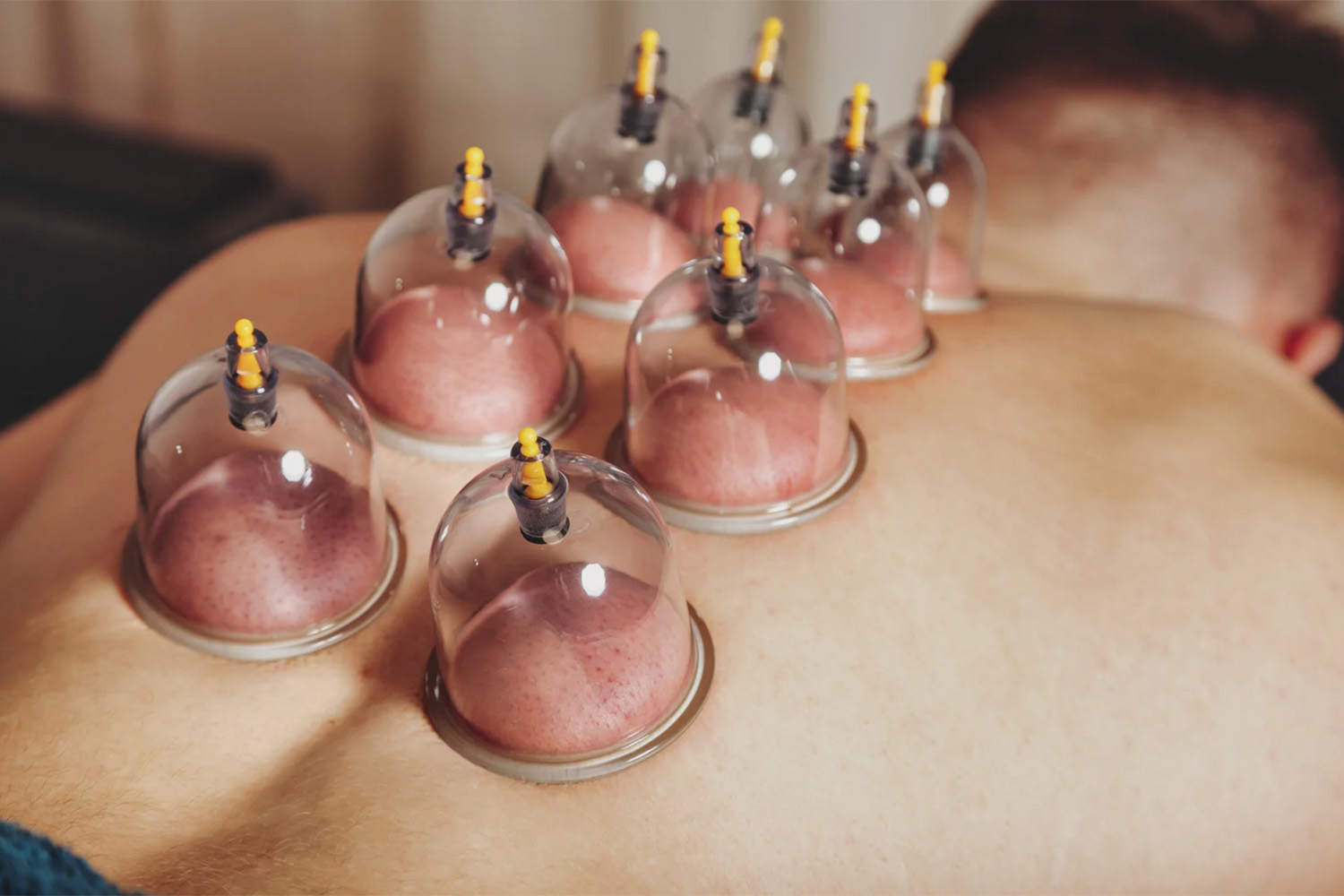
Cupping therapy uses suction cups placed on the skin to gently lift the tissue. That negative pressure can create a pulling sensation (often described as “strong but relieving”), and it commonly leaves circular marks that fade over time, similar to bruising.
Unlike many hands-on techniques that compress tissues, cupping decompresses. That’s why many people associate it with a sense of “space” in tight areas like the shoulders, upper back, hips, calves, and forearms, especially when normal massage alone feels like it can’t quite reach the problem.[1]
How cupping supports improved circulation
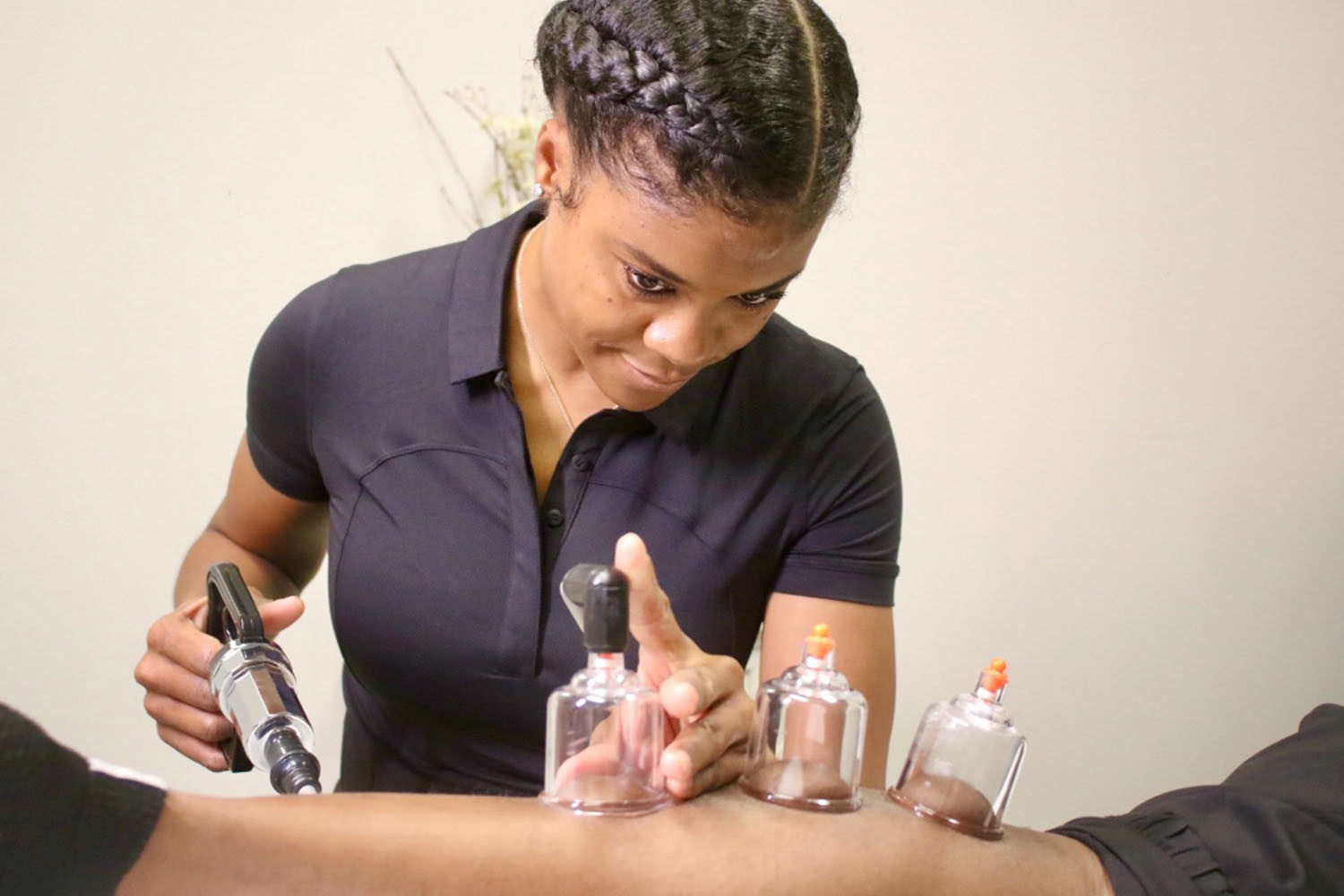
The effect of cupping on local microcirculation is one of the most studied mechanisms of cupping. Studies including skin blood flow measurements indicate that cupping is capable of resulting in quantifiable variations in the blood-flow reactions based on pressure and time.[2]
In practical terms, improved local circulation may help:
- bring oxygen and nutrients to overworked tissues,
- support the body’s normal clean-up processes after hard training,
- relieve those aches of stiffness and heaviness in overworked portions of the body.
Also, it is necessary not to have too high expectations: cupping is not a miracle that can solve every problem. However, as a specific instrument in a clinical massage scenario, it can be a useful means of releasing tightness and helping to recover tissue.
Muscle release benefits: why suction can help “stuck” tissues
Increased tissue tension is not necessarily simply muscle. Fascia (connective tissue) may lose its mobility, and repeated loading may produce local tenderness and tightness.
Cupping will be selected to assist in relieving:
- tight upper trapezius/neck tension from desk work,
- shoulder and lat tightness from lifting,
- hip/glute restrictions that affect stride and squats,
- calf/hamstring tightness that makes running feel “short”.
Many practitioners also use moving cupping (gliding a cup along a muscle line) to address broader restrictions. This can pair well with deep tissue work, because cupping can prep the area by lifting and warming tissues, then hands-on massage can follow with more precise release.[3]
Cupping Therapy in Houston at Enhancing Massage: what “integrated care” looks like
Enhancing Massage is positioned around pain management, injury recovery, and performance support, offering medical, deep tissue, and sports massage in Houston. In that context, cupping typically works best when it’s matched to your goal, such as:
1. For chronic tightness and desk-related tension
In the case of tension in your shoulders, upper back, jaw/neck line, or hips, the cupping processes might work on the “locked-up” areas, lifting the tissue and stimulating movement, and a deep tissue or therapeutic massage should follow to re-educate the movement and eliminate trigger points.
2. For active people and athletes
Massage and cupping could also work in cases where you would like to continue with training without losing control of soreness and range of motion. Cupping is quite often applied to the places that experience repetitive load, calves, hamstrings, quads, hip flexors, lats, and forearms, in particular, during heavy training blocks.
3. For recovery-focused add-ons like PEMF
Enhancing Massage also publishes educational content about PEMF therapy and indicates experience with cupping alongside massage services. For some clients, combining modalities is less about “more is better” and more about choosing the right sequence: decompression (cupping), tissue work (massage), and recovery support (such as PEMF), depending on how your body responds.
What to expect during a cupping session
The process of a normal therapeutic practice is comprised of:
- Short up and down breathing (when you feel tight, what you are training, what movements are painful, what you wish to change).
- Cup placement with controlled suction; you may feel pulling pressure but it shouldn’t feel sharp or alarming.
- Time under cups (often a few minutes), sometimes with gentle movement or gliding.
- Reinforcement of the mobility gained by the use of follow-up bodywork (massage, stretching, or specific soft-tissue work).
Then it is usual to be relaxed, even tender, and have the results of circular marks that will dissipate in a few days.
Safety, side effects, and who should be cautious
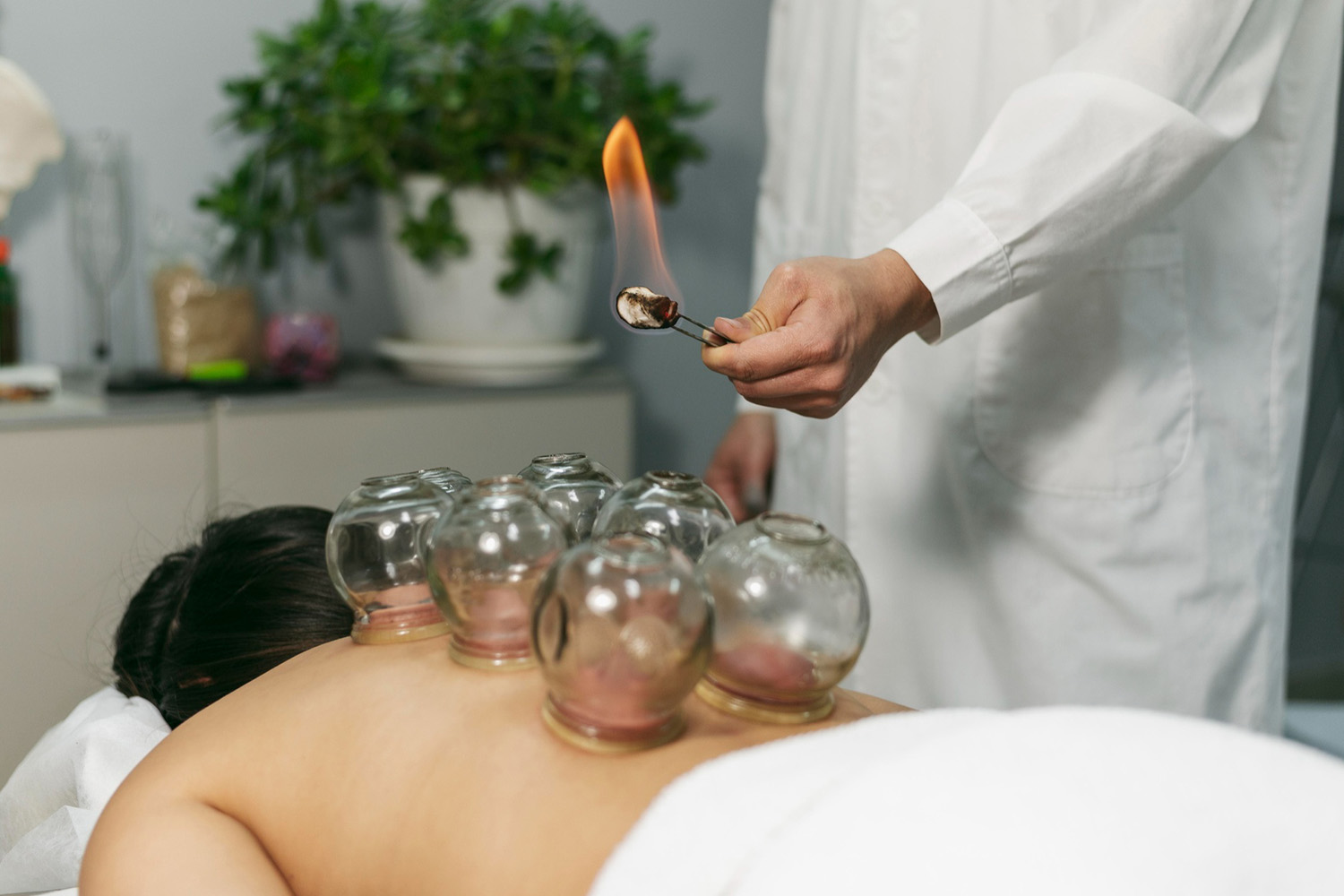
Cupping is not regarded as a risky procedure, although side effects may include bruising/marks, skin irritation, burns (with heat-based methods), and, in rare cases, skin infection in case of poor hygiene.[4]
You must take particular precautions (or request another) when you have:
- hemorrhaging or taking anticoagulant drugs,
- open wounds or weak skin, or active skin infections,
- Some severe health problems have made it illegal to do suction-based treatments in the presence of your clinician.[5]
These problems will be filtered by a reputable practice, which will modify techniques (or omit cupping) at the inappropriate time.
Conclusion
Need cupping therapy in Houston to alleviate tightness in the muscles, aid in improving movement, and speed up the recovery between workouts (or hectic workweeks)? Cupping may be the perfect choice, especially when deep tissue pressure is not the correct tool. In Enhancing Massage, cupping is administered as a specific pain-management solution aimed at enhancing the flexibility and range of motion via pressure-regulated methods that will yield consistent outcomes.
FAQs
1) Does cupping therapy hurt?
It usually feels like strong suction and pressure. It should feel intense-but-manageable, not sharp or alarming. Suction levels can be adjusted.
2) How long do cupping marks last?
The marks do not last long, usually disappearing in a matter of days, but others can last up to a week, and this is subject to the sensitivity of the skin and the level of suction, and the part of the body that is treated.
3) Can cupping be combined with deep tissue or sports massage?
Yes. Enhancing Massage practices deep tissue massage, sports massage, and cupping, is often used as an extracurricular or supplementary technique to help soften tight tissue prior to or following hands-on work.
4) Is cupping helpful for athletic recovery?
Cupping is the subject of some studies according to which it can alleviate post-exercise soreness and aid recovery factors, but the outcomes may be unstable based on the technique and population.
5) Does Enhancing Massage offer other recovery therapies besides cupping?
Yes. The modalities of their services and content include PEMF therapy and the therapeutic massage options offered by them to manage pain and recover.
References
[1] https://www.diablopt.com/cupping-therapy
[2] https://pmc.ncbi.nlm.nih.gov/articles/PMC7793847/
[4] https://my.clevelandclinic.org/health/treatments/16554-cupping
[5] https://www.sciencedirect.com/science/article/pii/S2005290117302042