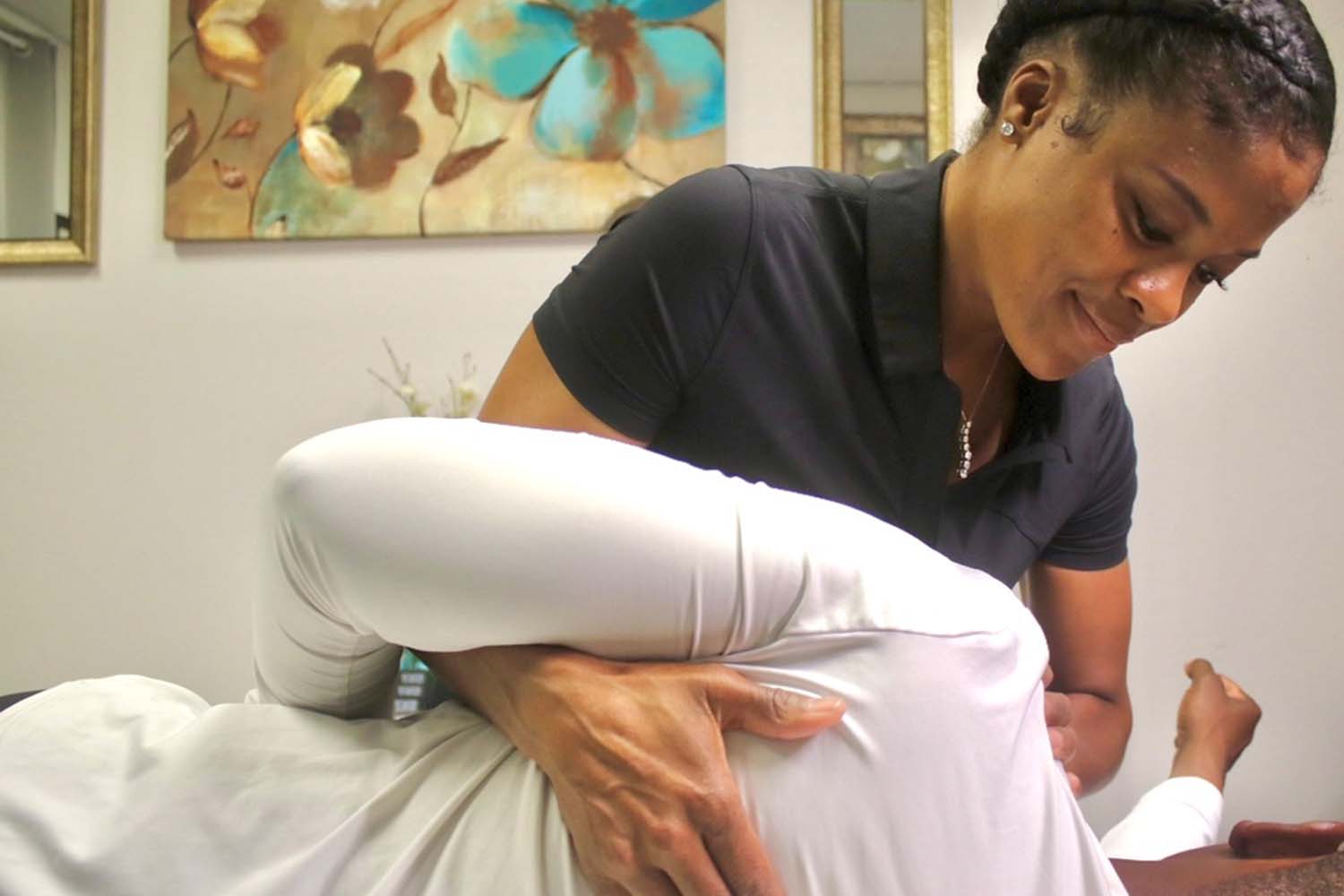
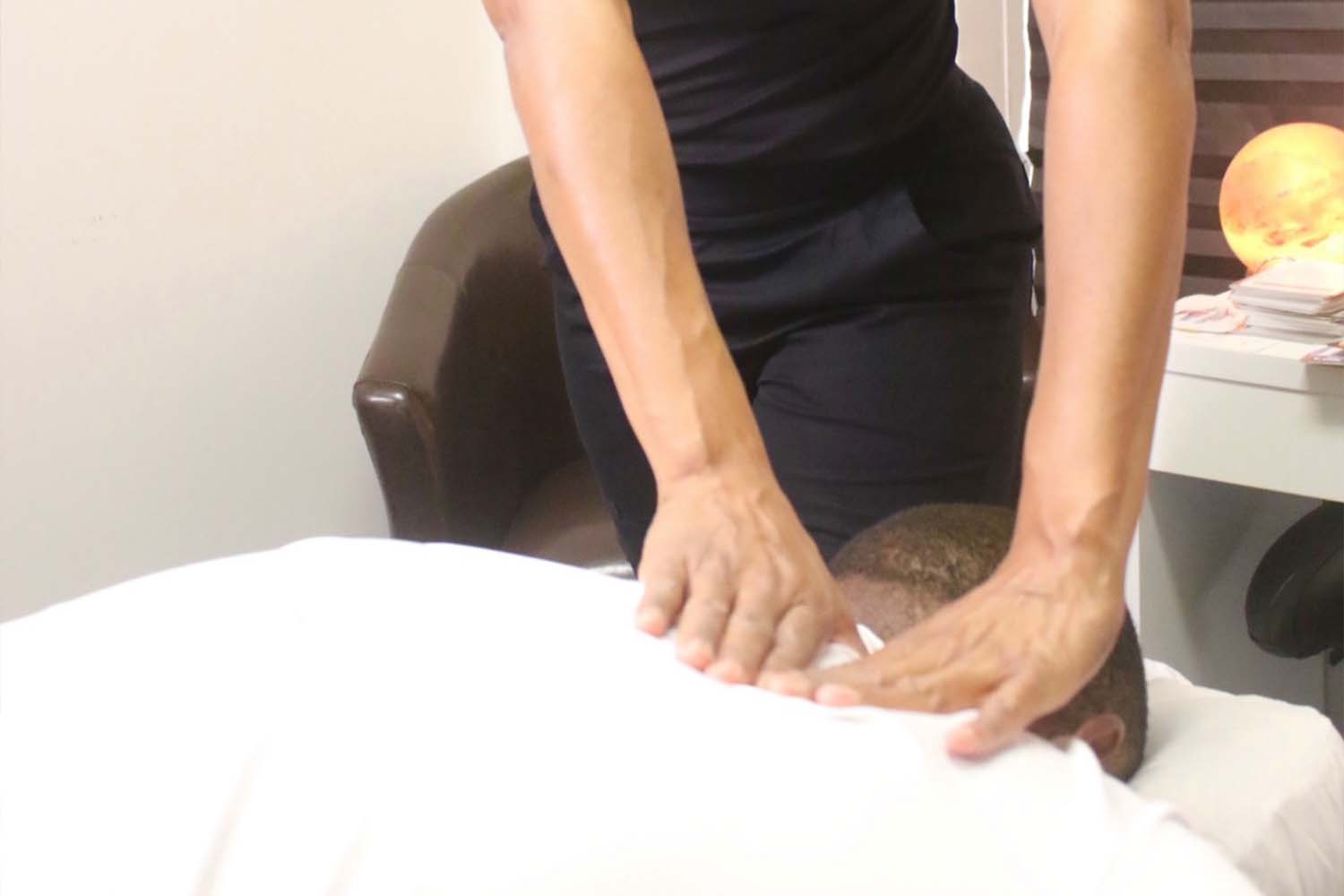
Author: enhancingmassag

  • Cupping Therapy in Houston: Muscle Release, Improved Circulation & Faster Recovery Benefits

    Cupping Therapy in Houston: Muscle Release, Improved Circulation & Faster Recovery Benefits

    Have you ever complained that your muscles always felt stuck, tight, heavy, and slow getting back again, despite how much you stretched them? One of such treatments is cupping therapy, which a person can observe easily since, unlike pressing on the tissue, it is aimed at releasing it into its place to aid the process of healing.

    Cupping at Enhancing Massage in Houston is provided as a result-oriented practice that incorporates medical massage, deep tissue massage, sports massage, and other recovery modalities, including PEMF therapy (and other performance-oriented modalities posted on their channels). This paper describes the meaning of cupping, why it is popular in muscle release and recovery, and what you should expect when you make a reservation for Cupping Therapy in Houston.
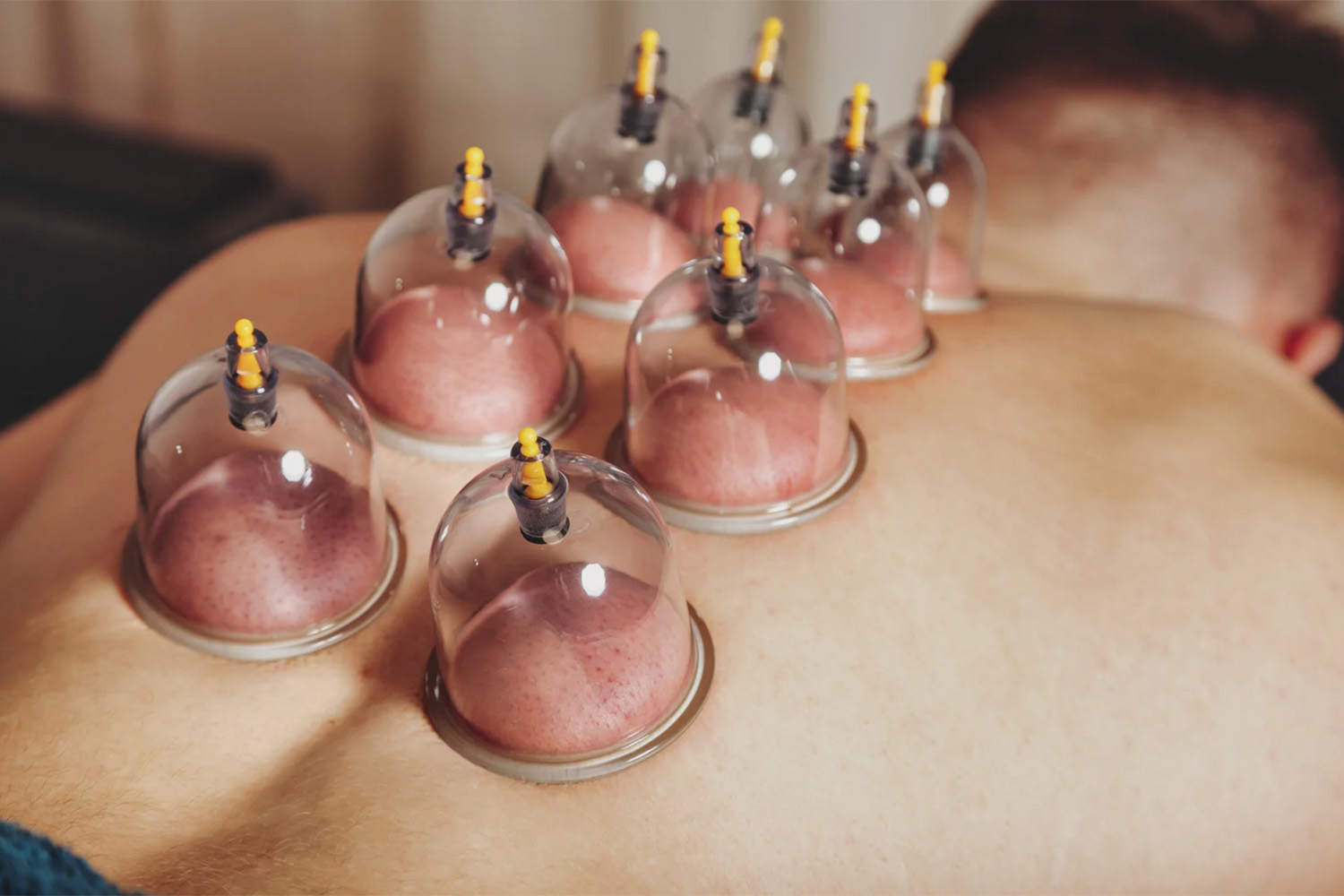
    What is cupping therapy, and why does it feel different?

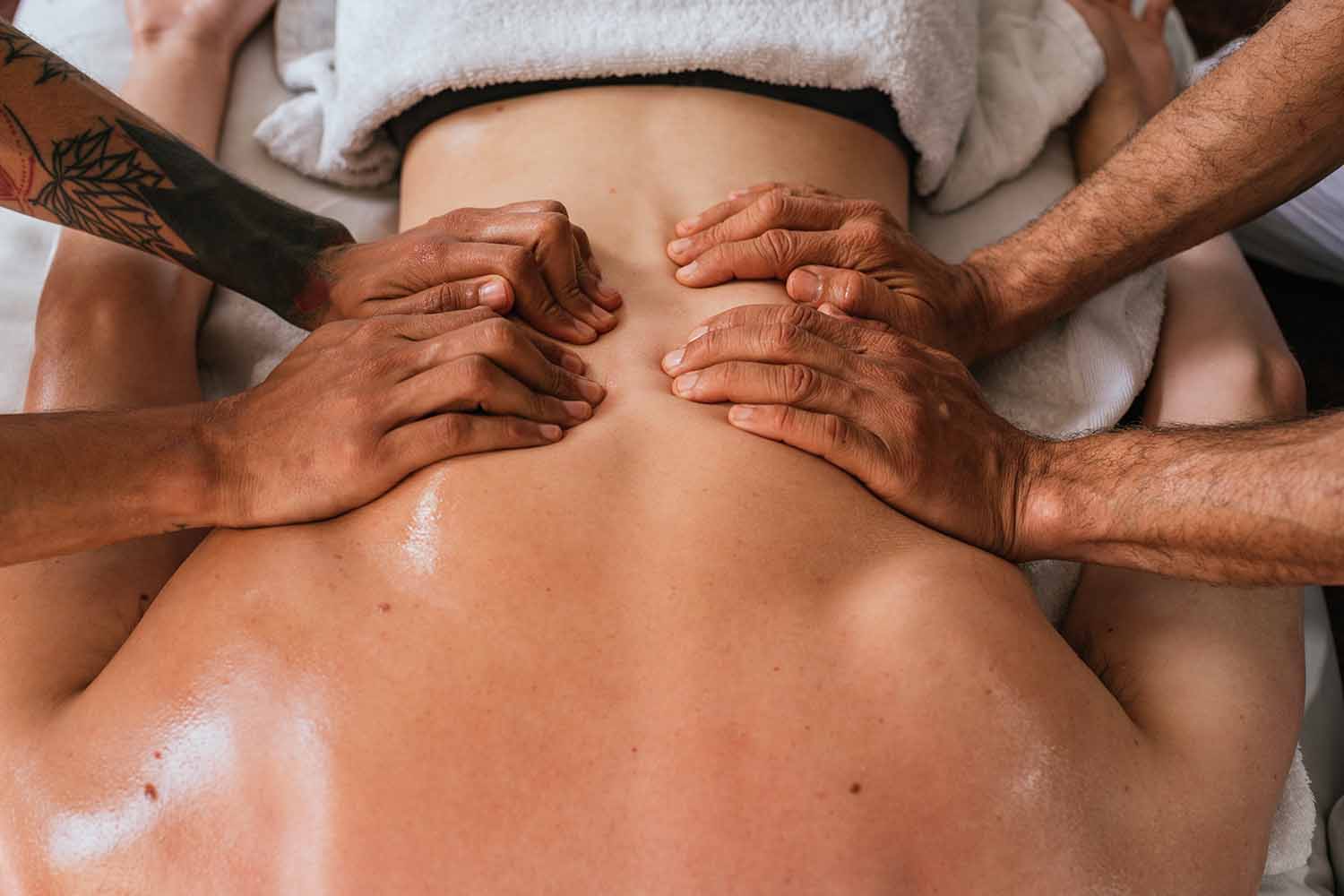
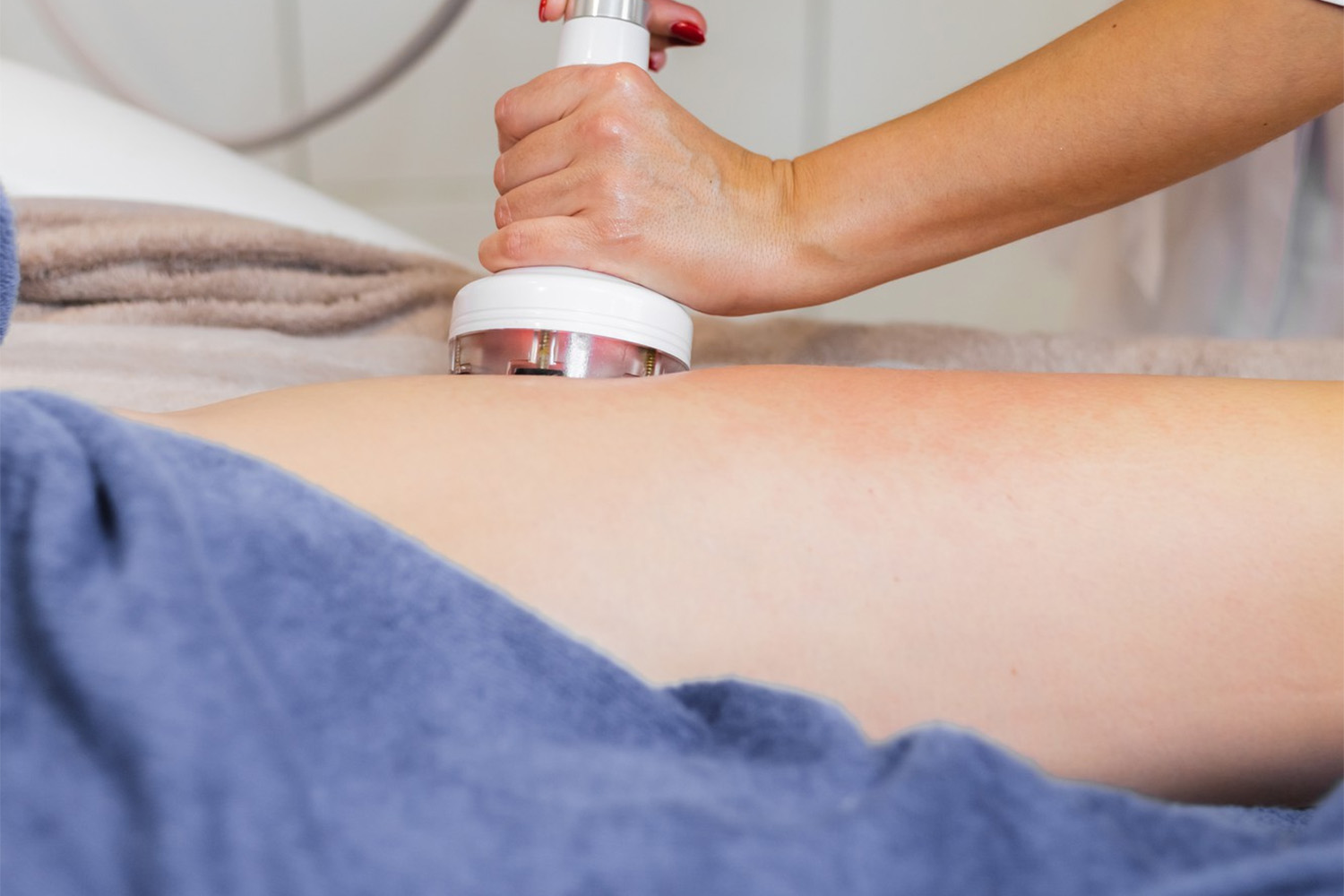
    Cupping therapy uses suction cups placed on the skin to gently lift the tissue. That negative pressure can create a pulling sensation (often described as “strong but relieving”), and it commonly leaves circular marks that fade over time, similar to bruising.

    Unlike many hands-on techniques that compress tissues, cupping decompresses. That’s why many people associate it with a sense of “space” in tight areas like the shoulders, upper back, hips, calves, and forearms, especially when normal massage alone feels like it can’t quite reach the problem.[1]

    How cupping supports improved circulation
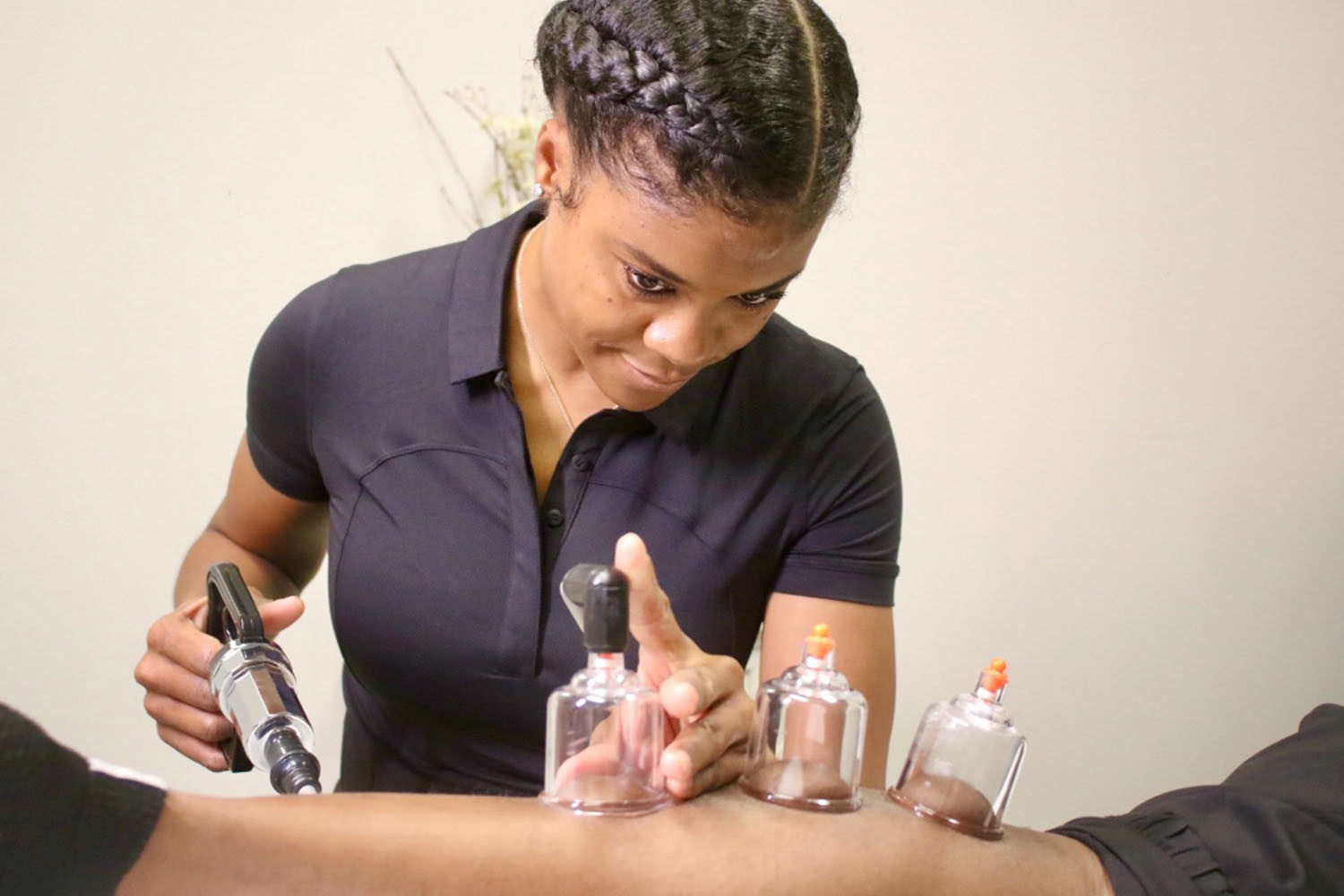
    The effect of cupping on local microcirculation is one of the most studied mechanisms of cupping. Studies including skin blood flow measurements indicate that cupping is capable of resulting in quantifiable variations in the blood-flow reactions based on pressure and time.[2]

    In practical terms, improved local circulation may help:

    • bring oxygen and nutrients to overworked tissues,
    • support the body’s normal clean-up processes after hard training,
    • relieve those aches of stiffness and heaviness in overworked portions of the body.

    Also, it is necessary not to have too high expectations: cupping is not a miracle that can solve every problem. However, as a specific instrument in a clinical massage scenario, it can be a useful means of releasing tightness and helping to recover tissue.

    Muscle release benefits: why suction can help “stuck” tissues

    Increased tissue tension is not necessarily simply muscle. Fascia (connective tissue) may lose its mobility, and repeated loading may produce local tenderness and tightness.

    Cupping will be selected to assist in relieving:

    • tight upper trapezius/neck tension from desk work,
    • shoulder and lat tightness from lifting,
    • hip/glute restrictions that affect stride and squats,
    • calf/hamstring tightness that makes running feel “short”.

    Many practitioners also use moving cupping (gliding a cup along a muscle line) to address broader restrictions. This can pair well with deep tissue work, because cupping can prep the area by lifting and warming tissues, then hands-on massage can follow with more precise release.[3]

    Cupping Therapy in Houston at Enhancing Massage: what “integrated care” looks like
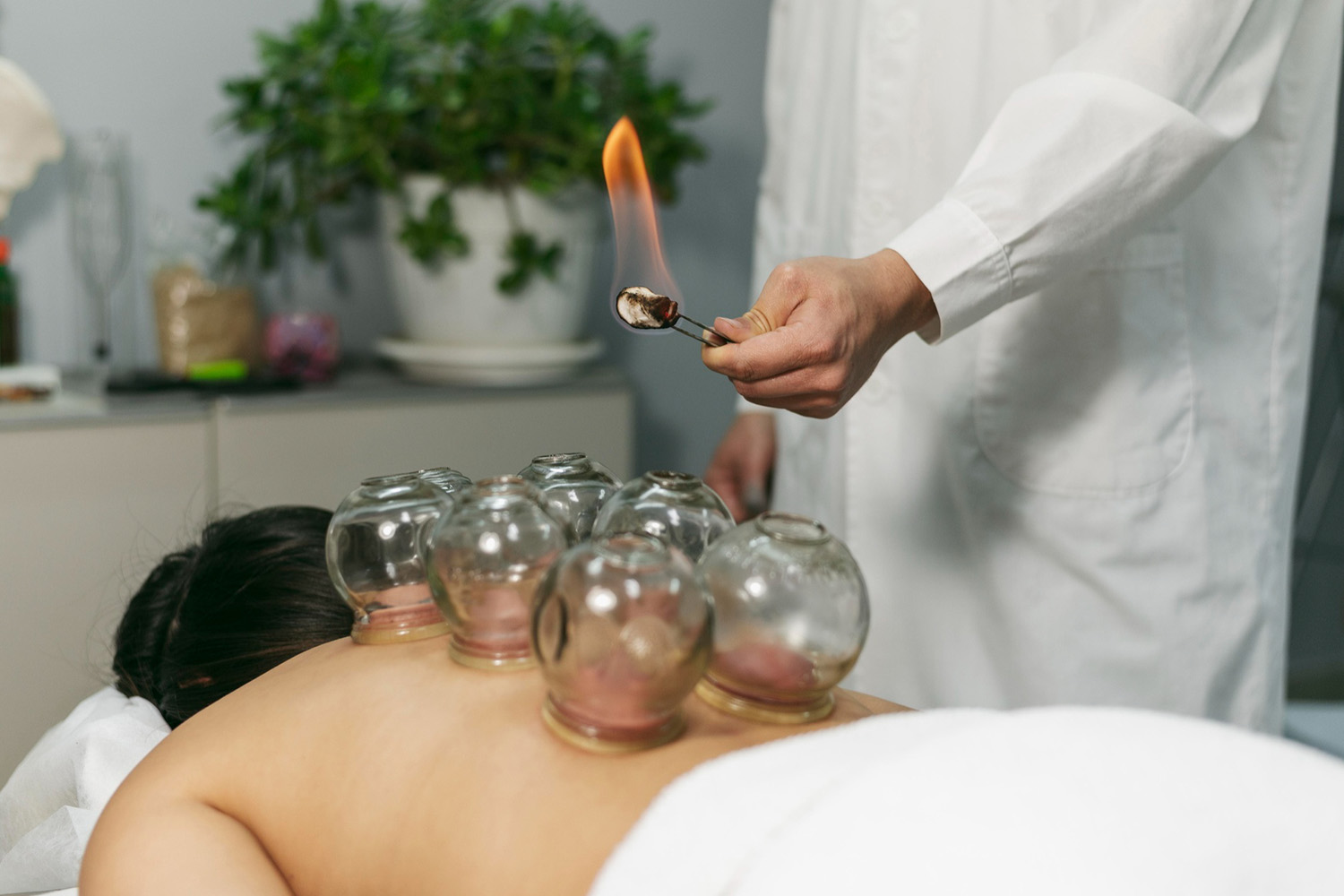
    Enhancing Massage is positioned around pain management, injury recovery, and performance support, offering medical, deep tissue, and sports massage in Houston. In that context, cupping typically works best when it’s matched to your goal, such as:

    1. For chronic tightness and desk-related tension

    In the case of tension in your shoulders, upper back, jaw/neck line, or hips, the cupping processes might work on the “locked-up” areas, lifting the tissue and stimulating movement, and a deep tissue or therapeutic massage should follow to re-educate the movement and eliminate trigger points.

    2. For active people and athletes

    Massage and cupping could also work in cases where you would like to continue with training without losing control of soreness and range of motion. Cupping is quite often applied to the places that experience repetitive load, calves, hamstrings, quads, hip flexors, lats, and forearms, in particular, during heavy training blocks.

    3. For recovery-focused add-ons like PEMF

    Enhancing Massage also publishes educational content about PEMF therapy and indicates experience with cupping alongside massage services. For some clients, combining modalities is less about “more is better” and more about choosing the right sequence: decompression (cupping), tissue work (massage), and recovery support (such as PEMF), depending on how your body responds.

    What to expect during a cupping session

    The process of a normal therapeutic practice is comprised of:

    1. Short up and down breathing (when you feel tight, what you are training, what movements are painful, what you wish to change).
    2. Cup placement with controlled suction; you may feel pulling pressure but it shouldn’t feel sharp or alarming.
    3. Time under cups (often a few minutes), sometimes with gentle movement or gliding.
    4. Reinforcement of the mobility gained by the use of follow-up bodywork (massage, stretching, or specific soft-tissue work).

    Then it is usual to be relaxed, even tender, and have the results of circular marks that will dissipate in a few days.

    Safety, side effects, and who should be cautious

    Cupping is not regarded as a risky procedure, although side effects may include bruising/marks, skin irritation, burns (with heat-based methods), and, in rare cases, skin infection in case of poor hygiene.[4]

    You must take particular precautions (or request another) when you have:

    • hemorrhaging or taking anticoagulant drugs,
    • open wounds or weak skin, or active skin infections,
    • Some severe health problems have made it illegal to do suction-based treatments in the presence of your clinician.[5]

    These problems will be filtered by a reputable practice, which will modify techniques (or omit cupping) at the inappropriate time.

    Conclusion

    Need cupping therapy in Houston to alleviate tightness in the muscles, aid in improving movement, and speed up the recovery between workouts (or hectic workweeks)? Cupping may be the perfect choice, especially when deep tissue pressure is not the correct tool. In Enhancing Massage, cupping is administered as a specific pain-management solution aimed at enhancing the flexibility and range of motion via pressure-regulated methods that will yield consistent outcomes.

    FAQs

    1) Does cupping therapy hurt?

    It usually feels like strong suction and pressure. It should feel intense-but-manageable, not sharp or alarming. Suction levels can be adjusted.

    2) How long do cupping marks last?

    The marks do not last long, usually disappearing in a matter of days, but others can last up to a week, and this is subject to the sensitivity of the skin and the level of suction, and the part of the body that is treated. 

    3) Can cupping be combined with deep tissue or sports massage?

    Yes. Enhancing Massage practices deep tissue massage, sports massage, and cupping, is often used as an extracurricular or supplementary technique to help soften tight tissue prior to or following hands-on work.

    4) Is cupping helpful for athletic recovery?

    Cupping is the subject of some studies according to which it can alleviate post-exercise soreness and aid recovery factors, but the outcomes may be unstable based on the technique and population.

    5) Does Enhancing Massage offer other recovery therapies besides cupping?

    Yes. The modalities of their services and content include PEMF therapy and the therapeutic massage options offered by them to manage pain and recover.

    References

    [1] https://www.diablopt.com/cupping-therapy

    [2] https://pmc.ncbi.nlm.nih.gov/articles/PMC7793847/

    [3] https://www.medbridge.com/blog/the-science-of-fascia-how-cupping-therapy-enhances-mobility-and-reduces-pain

    [4] https://my.clevelandclinic.org/health/treatments/16554-cupping

    [5] https://www.sciencedirect.com/science/article/pii/S2005290117302042

     

  • Why Therapeutic Massage is More Than Relaxation: Clinical Benefits for Athletes

    Is massage just about relaxation and deep breathing? Many athletes believe so. The truth of the matter is quite different. What is harmless to the surface may be very effective to the inside. Muscles respond. Tissues adapt. Recovery accelerates. Here, the therapeutic massage will cease being a luxury and become clinical in nature. It is a performance tool and not a threat to the athletes.

    The body takes up unending stress in competitive sports as well as in recreational sports. The monotony of training, repetition of movements, and small injuries accumulate silently. Enhancing massages takes this fact into consideration with a results-oriented attitude by providing systematic bodywork, which has been structured to sustain movement, recovery, and long-term physical resilience. This is not active relaxation. It is targeted care.

    benefits of therapeutic massage

    Understanding Therapeutic Massage in Athletic Care

    It is a systematized kind of manual treatment that is aimed at restoration as opposed to shallow body comfort. It is aimed at the muscles and fascia, which are affected by strain or overuse, and also the connective tissues. In the case of athletes, it helps the body to adjust to the demands of the body without collapsing.

    Assessment-guided sessions are unlike general massage. The first identified is muscle imbalances, limited mobility, and patterns of pain. There is a clinical rationale for treatment. This will enable therapeutic massage to solve the cause of pain rather than treating symptoms.

    Why Athletes Need More Than Relaxation

    therapeutic massage for Athletes

    Athletic bodies operate under stress cycles. Training causes micro-damage. Recovery repairs it. When recovery is incomplete, performance declines. Injuries become more likely. The therapeutic massage is appropriate in this recovery equation because it enhances the circulation and elasticity of tissues.

    The flexibility of muscles limits blood circulation. Decreased blood circulation retards healing. It is faster in delivering nutrients, as well as eliminating wastes, by restoring circulation.[1] This process helps in enhancing quicker rest between sessions and competitions.

    Clinical Benefits That Impact Performance

    One of the most important benefits of therapeutic massage is pain regulation.[2] Chronic muscle tension often triggers protective guarding. This limits range of motion and alters movement patterns. Over time, compensations develop.

    Targeted manual techniques release deep tension. Joint mobility improves. Muscles begin working in coordinated patterns again. In the case of athletes, it implies less strain and easier movement in the course of action.

    The other major advantage is that of nervous system control. High-intensity training is one that maintains the body in a state of high activity. It triggers the parasympathetic, which enables the body to get a rest.[3] Better quality of sleep and lower stress ensue.

    Injury Prevention and Recovery Support

    Athletes rarely stop training for minor discomfort. Small issues accumulate. Therapeutic massage helps identify and manage these issues early. Restricted fascia or overworked muscle groups are addressed before injury occurs.[4]

    Post-injury recovery also benefits from controlled manual therapy. Techniques are adapted to healing stages. Scar tissue is managed. Mobility is restored gradually. In this regard, therapeutic massage is used to supplement rehabilitation measures and not to substitute medical care.

    Role of Deep Tissue and Sports Techniques

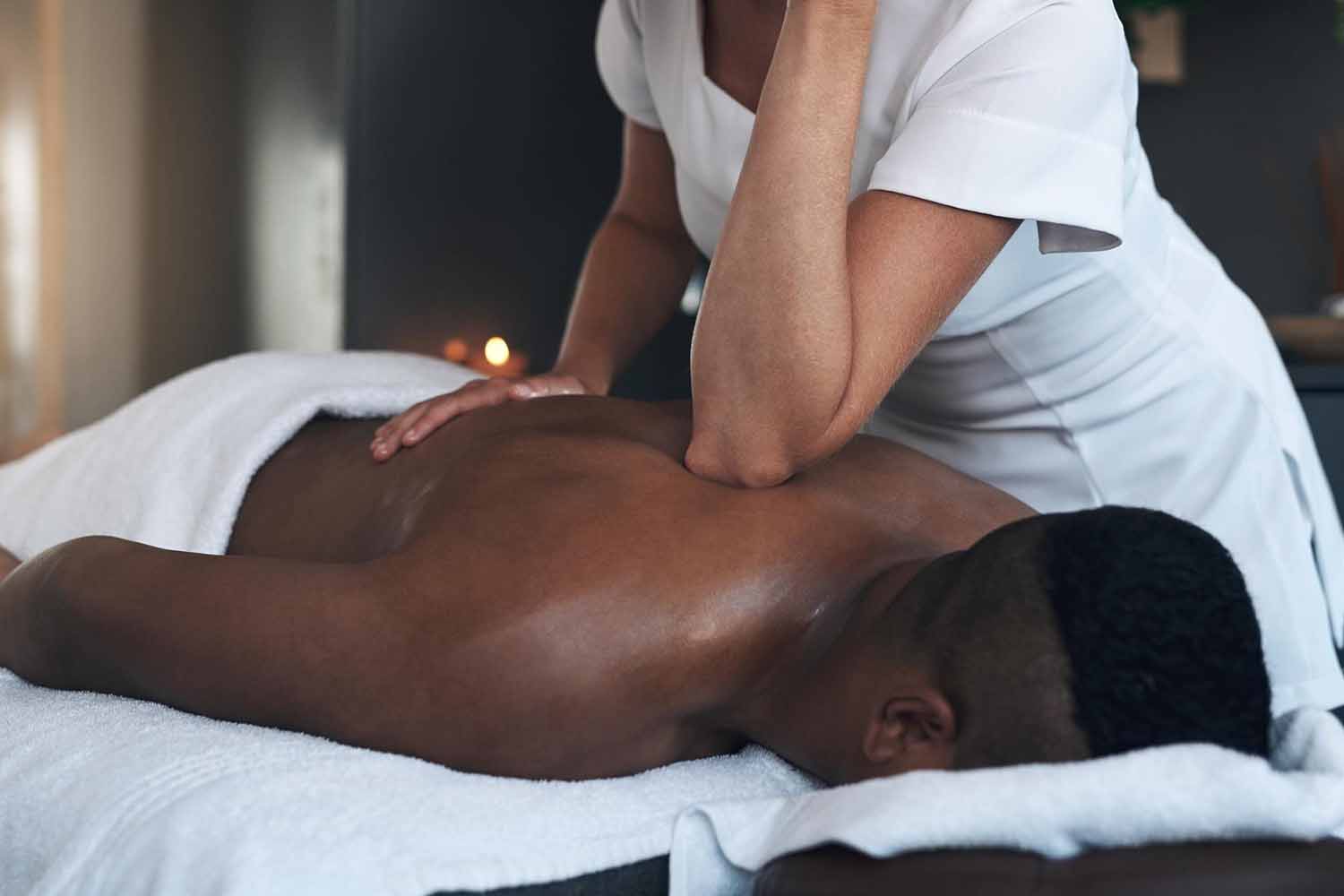
    Deep tissue techniques have been mistaken for being forceful. As a matter of fact, they are specific and intentional. Deep tissue work on athletes is aimed at breaking up chronic adhesions that cause performance restrictions. Deep therapeutic massage effectively enhances flexibility without unnecessarily bringing about soreness.

    Sports-oriented training is also train-phase adaptive. Working before a game makes muscles ready. After event sessions help in recovery, such flexibility puts it as a practical option during the sporting cycle.

    Complementary Modalities for Better Results

    Therapeutic Massage

    Modern therapeutic practice often integrates additional techniques. Cupping therapy assists in the decompression of tissues and improves movement range. PEMF therapy helps in the healing of cells and lessening of inflammation. These methods are used together in order to complement the effects of the therapeutic massage.

    These modalities are not applied to enhancing massage randomly but instead in a strategic way. Every session is in line with the objectives of the athlete, the intensity of training, and fitness. This combination supports the outcomes and does not load the body.

    Long-Term Athletic Sustainability

    The longevity in athletic careers is professional or recreational. Participation is shortened by consistent overload with nothing in between. It is part of sustainable training because it keeps tissues healthy and they are in functional equilibrium.

    The athletes who have a structured bodywork experience have been reported to have better body awareness. The early indications are identified earlier. Changes are made in advance, prior to injury. This is a proactive position that therapeutic massage is not a short-term cost but a long-term solution.

    Evidence-Based Support for Therapeutic Massage

    Studies are being made in favor of manual therapy in sports medicine. Research associates therapeutic massage with less delayed onset muscle soreness, better flexibility, and perceived recovery.[5] It is not a substitute for training or conditioning, although it makes them even more efficient.

    The best results of massage are achieved when it is personalized. Cookie-cutter sessions do not deal with the intricate athletic needs. This supports the significance of assessment-guided therapeutic massage.

    Conclusion

    Background music and candles are not part of a therapeutic massage. In the case of an athlete, it is a support system that improves recovery, injury minimization, and quality of movement. Therapeutic massage is a valuable component of athletic care, instead of a luxury when used for its intended purpose.

    Enhancing Massage is a highly focused form of bodywork that would be beneficial for athletes who want their training results matched by recovery. Regular attention provides short-term training requirements and long-term physical viability.

    FAQs

    1. Is therapeutic massage suitable for all athletes?

    Yes. It may be tailored to beginners, competitive athletes, and active people.

    2. How is therapeutic massage different from relaxation massage?

    Therapeutic massage is aimed at reducing the dysfunction of muscles, patterns of pain, and limitations of movements, and does not target general comfort. Every session will be based on evaluation and specific methods of aiding physical performance and recovery.

    3. Can therapeutic massage help prevent injuries?

    Yes. It deals with muscular imbalances and overuse patterns at an early stage.

    4. Is soreness normal after a therapeutic massage?

    It can be accompanied by mild soreness, and this happens most when deep or corrective methods are applied to the tight muscles. This normally fades away after a brief time and is accompanied by increased mobility and decreased discomfort.

    5. Are cupping and PEMF part of therapeutic massage sessions?

    The modalities are usually applied in addition to other techniques in order to improve the circulation and tissue recovery. Their application is based on the condition of the athlete, he or she objectives, and their reaction to manual therapy.

    References

    [1] https://news.harvard.edu/gazette/story/2021/10/massage-helps-injured-muscles-heal-faster-and-stronger/

    [2] https://www.frontiersin.org/journals/physiology/articles/10.3389/fphys.2017.00747/full

    [3] https://www.health.harvard.edu/therapeutic-massage-for-pain-relief

    [4] https://www.releafphysio.com/post/is-sport-massage-worth-it

    [5] https://pubmed.ncbi.nlm.nih.gov/32426160/

  • Frozen Shoulder Massage Techniques That Restore Movement & Reduce Pain

    A frozen shoulder will make even the simplest actions a challenge to complete, as it becomes difficult to raise your arms above your head, to dress, or even to brush your hair. The rigidity and the pain not only reduce mobility, but also deplete your energy and patience. And that is why specific frozen shoulder massage is so different, as it helps the tight muscles to be loosened, increases the blood flow, and slowly returns the muscles to their usual motion.

    At Enhancing Massage, therapists integrate therapeutic massage with sports bodywork and sophisticated recovery therapies to relieve tension in the shoulders. They deal with bringing back the movement and the comfort. Therefore, you can move freely once again and not be poked at all the time.

    Understanding The Condition

    Frozen shoulder, is basically a famous term called adhesive capsulitis that is characterized by the stiffness of the shoulder capsule, which then tightens and restricts its movement completely. Massage therapy is not a miracle, but the growing body of literature indicates that a strategic massage can be of great help in the recovery process, causing a decrease in pain, better blood flow, and tissues to become loosened.[1]

    Why Frozen Shoulder Massage Matters

    Various therapeutic advantages are involved when you do a specialised frozen shoulder massage:

    • Massage facilitates the increased circulation of blood and oxygen to the muscles and joints in and around the shoulder area to aid in healing and decrease inflammation.
    • Deep-tissue work and myofascial release techniques are used to separate adhesions around the shoulder joint capsule to permit more motion.
    • A practitioner clinic that provides sports massage, medical massage, and bodywork with a trauma-informed approach, such as Enhancing Massage, can design the session to your stage of frozen shoulder and your recovery objective.
    • The chronic shoulder stiffness usually puts strain on the related muscles and nervous system, causing stress. Massage interferes with that cycle.

    Research supports this: a meta-analysis found that massage therapy showed a large effect size for short-term pain relief in shoulder conditions including frozen shoulder.[2]

    Key Massage Techniques for Frozen Shoulder

    Here are several massage techniques commonly used when managing a frozen shoulder. A skilled therapist at a clinic like Enhancing Massage will choose from these depending on your stage of recovery.

    1. Myofascial Release

    This involves gentle, sustained pressure into the fascia and connective tissue around the shoulder. The goal is to ease restrictions and allow the joint to move more freely. 

    2. Deep-tissue Massage

    In case of chronic tension and accumulation of scar tissue, intense strokes and pressure are applied to the corrector-cuff muscles, deltoid, and upper trapezius. This contributes to decreasing muscular stiffness, which inhibits movement. 

    3. Swedish-style Strokes 

    While gentler, these strokes improve superficial circulation, reduce muscle toxicity and prepare the shoulder for deeper work. 

    4. Joint Mobilisation and Assisted Stretching

    Although technically not always “massage” in the strictest sense, many body-work therapists will use manual mobilisation of the shoulder joint, combined with stretching of adjacent muscles. This supports the massage work and enhances range of motion.[3]

    5. At-home Self-massage and Adjunct Techniques

    To supplement clinic-based massage, simple self-massages can be utilized: either the opposite hand or a massage ball to work the shoulder gently, or under the arm with the help of foam-rolling. They assist in continuing the progress between the sessions.

    How Enhancing Massage Integrates These Services

    At Enhancing Massage, the service package is in line with the treatment of a frozen shoulder:

    • Medical/clinical massage: The infusion is concerned with the correction of the underlying dysfunctions of movement, stiffness, and pain.
    • Sports massage: Best suited to the customer who has to move more, optimise performance, or get back after being immobilised.
    • Trauma-informed body-work & advanced modalities: Designed to help a client whose body has patterns of long-term compensation or requires the next-generation support to move, to perform, and to train without ongoing discomfort.

    Therefore, by making a reservation for a frozen shoulder massage, you are accessing a clinic that incorporates therapeutic massage, sports-awareness recovery, and general movement-restoration emphasis.

    What to Expect & Practical Tips

    • Tell me about your shoulder pain, stiffness, and movement restrictions when you come to your session.
    • To become a regular and active participant in recovery sessions (e.g., weekly) can be suggested at the initial stages, along with specific stretching and exercise.
    • There will be tight spots, which will be painful to touch, but the therapist must work to your pain limits and never compel you to move painfully.
    • Once you are finished with your massage, you might also be led through some soft mobilisations or stretching by your therapist to keep the results of your massage intact.
    • Gently massage, heat (when prescribed), and light stretching between sessions all help to optimise the results.
    • Despite the relief and better movement, it may take a long time (months) of consistent, multi-modal intervention before serious improvements in frozen shoulder.[4]

    Consult a Specialist at Enhancing Massage

    In case of excessive pain in your shoulder, pain persists even after several sessions, or swelling, fever, or sudden weakness, then you ought to seek medical attention. It should be remembered that massage is a supportive therapy and not a substitute for medical care. In others, it may need to be referred to physiotherapy or an orthopaedic specialist so that full recovery is achieved.

    To receive personalized and therapeutic treatment and professional frozen shoulder massage, refer to the services of Enhancing Massage in Houston, where you will find qualified therapists who are interested in recovering the mobility and relieving the pain, and returning you to everyday life more comfortably.[5]

    Book your appointment by visiting the official website

    FAQs

    1. What exactly is a frozen shoulder massage?

    Frozen shoulder massage is the name of a therapeutic massage (and related bodywork) specially designed to address the rigidity, pain, and range of motion of a frozen shoulder (adhesive capsulitis).

    2. How often should I get a frozen shoulder massage?

    Usually, once a week or every 10 days at the beginning of the phase can prove to be the most effective; this will be adjusted by your therapist depending on your progress and movement objectives.

    3. Does the clinic use other services alongside massage?

    Yes, in clinics like Enhancing Massage & BodyWorks, you’ll find medical massage, sports massage, and trauma-informed body-work, which complement and deepen the impact of the frozen shoulder massage.

    4. Will a frozen shoulder massage relieve pain immediately?

    A large percentage of clients feel a visible relief (less stiffness, less pain) in the immediate aftermath of the session, yet the full range of motion may require a long-term effort (weeks or months).

    5. Can I massage my shoulder at home between sessions?

    Definitely, light self-massage with your other hand, foam-rolling, or with a massage ball supplements the professional treatment and contributes to the preservation of the benefits gained in mobility.

    References

    [1] https://www.healthline.com/health/10-massages-and-stretches-for-a-frozen-shoulder

    [2] https://pmc.ncbi.nlm.nih.gov/articles/PMC5462703/

    [3]https://www.amtamassage.org/publications/massage-therapy-journal/shoulder-pain-massage/

    [4] https://www.rmtedu.com/blog/massage-therapy-for-frozen-shoulder

    [5] https://frozenshoulderclinic.com/blog/massage/

  • How Pulsed Electromagnetic Fields Help Athletes, Chronic Pain Patients, and Injury Recovery

    How Pulsed Electromagnetic Fields Help Athletes, Chronic Pain Patients, and Injury Recovery

    A little injury for athletes may stop them from participating in sports. Looking for a recovery for athletes, chronic inflammation, or injury is crucial to get back to your routine. An effective and quick treatment can help you continue the game safely.

    Pulsed Electromagnetic Fields (PMF) is becoming one of the most efficient treatments for athletes, injured patients, and chronic pain patients. With the focus on specific tissues and injured places, PMF helps to heal and recover with multiple benefits. 

    This blog will guide you through the pulsed electromagnetic field, its benefits, and relief for patients and athletes, and what to expect.

    What Are Pulsed Electromagnetic Fields?

    Pulsed electromagnetic field therapy is a non-invasive treatment that uses low-level electromagnetic waves to promote and stimulate the body’s healing mechanism [1]. PEMF therapy reduces inflammation, improves circulation, and supports the muscles in targeted areas.

    A specialized mode of treatment is provided in PEMF therapy, targeting specific areas to release energy and facilitate the healing process. PEMF not only restores elastic equilibrium but also increases cell function to speed up the healing and recovery process at the underlying level.

    Patients with a variety of conditions, like anxiety and depression, injury, and exercise recovery, can benefit from PEMF treatment. PEMF differs from more invasive treatments, offering a safe and non-invasive therapy. Athletes can opt for pulsed electromagnetic fields to continue their training without any downtime.

    Benefits for Athletes to Recover Faster & Support Injury

    PEMF therapy provides various benefits for athletes and injured patients and supports healing. Let’s have a look at the top advantages of recovering faster.

    1.Pain Relief

    PEMF improves tissue oxygenation and stimulates cellular repair to reduce discomfort in specific areas and alleviate pain effectively.

    2. Muscle Recovery

    Athletes find PEMF therapy for faster recovery. Pulsed electromagnetic fields help ease soreness and fatigue for faster muscle recovery [2].

    3. Reduce Inflammation

    Reducing inflammation is crucial for faster recovery for injured patients and those with inflammatory diseases. PEMP therapy decreases pain and reduces swelling.

    4. Improve Circulation

    PEMF therapy is essential for enhancing blood flow to improve circulation and ensure nutrients and oxygen reach tissues for better results.

    5. Injury Recovery

    Oxygenation through the PEMF recovery increases bone healing, soft tissue recovery, and ligament recovery. This way, injured tissues recover more quickly and allow rapid regeneration.

    6. Boost Athletic Performance

    As PEMF therapy improves cell function, it provides strength, energy levels, and stamina to athletes to get a competitive edge [3].

    7. Support Nervous Health

    PEMF therapy is not only limited to bones and muscles but also improves nerve signals and releases stress, providing relaxation and good sleep [4]. 

    Relief for Chronic Pain Conditions

    Chronic pain is a physical drain and makes your life difficult, whether it is fibromyalgia, back or neck pain, arthritis, or sciatica. Medications are available for instant relief, but can come with various side effects. 

    PEMF therapy is one of the best treatments to get relief from chronic pain and target specific pain, and provide long-term relief. Major key benefits of Pulsed electromagnetic fields for chronic patients are:

    1.Reduce Inflammation

    The main cause of chronic pain is inflammation. PEMF therapy decreases inflammation by improving blood flow and limiting pro-inflammatory cytokines.

    2. Improve Circulation

    PEMF is beneficial for dilating blood vessels to improve flow in pain areas. Improved flow also ensures nutrients and oxygen in all areas to aid recovery.

    3. Less Stiffness and Tension

    PEMF therapy stimulates cellular activity and tissue movement in the whole body to improve flexibility and easier movement.

    4. Low Reliance on Medication

    Depending on medications, you may rely on them for a long time. PEMF is a natural method for pain relief and helps you not rely on medications for so long [5].

    5. Long-Term Support

    PEMF treatment is the best for those who are looking for long-term relief from chronic pain, especially for professionals to continue their work.

    How PEMF Complements Massage Therapies

    Pulsed Electromagnetic Fields (PEMF) is the best method for cellular therapy and massage targets joints, muscles, and connective tissues. Look how PEMF works when combined with massage therapies.

    • Deep Tissue Massage

    PEMF improves blood flow and reduces soreness, helping muscles for quick recover quickly from deep pressure work.

    • Cupping Therapy

    PEMF combines with cupping therapy to release muscle tension and enhance circulation in tight and inflamed areas.

    • Radial Pressure Therapy

    During the radial pressure therapy PEMF helps to repair tissue quickly in pain points and support relief.

    • Stretching

    PEMF reduces stiffness and ensures effective stretching, providing mobility and flexibility.

    What to Expect in a PEMF Therapy Session

    The Pulsed Electromagnetic Fields session should be comfortable, safe, and effective. Here are the points you need to expect from your PEMF therapist.

    1. Session Length: The length of the PEMF therapy session should be 20-40 minutes according to your needs.
    2. Experience: You can feel warmth because of cellular activity, but massage therapy can relieve tight muscles.
    3. Integration with Massage: Therapists often include massage therapies to improve results.
    4. Safety and Comfort: Sessions should require no downtime and use a non-invasive method for all body types.

    Final Words

    Injured and chronic pain patients and athletes need to recover faster to reduce their downtime. Pulsed Electromagnetic Fields (PEMF) is one of the best treatments that improves blood circulation and relieves pain in targeted areas. PEMF therapy is a non-invasive treatment that uses low electromagnetic waves to increase cell function to treat chronic conditions and injuries.

    Getting PEMF therapy relieves pain, recovers muscles, reduces inflammation, improves circulation, recovers injury, boosts athletic performance, and supports nervous health for athletes and injured patients. PEMF treatment reduces inflammation, improves circulation, relieves stiffness and tension, provides long-term support, and prevents reliance on medications for chronic patients.

    Massage therapies like deep tissue massage, cupping therapy, stretching, and radial pressure therapy, when combined with PEMF, can work better. Enhancing Massage is offering you the best PEMF therapy with a skilled doctor, physical and manual therapist to manipulate your body and heal your energy levels. Get your PEMF and massage therapies booked now with us.

    Frequently Asked Questions—FAQs

    1.What is the cost of Pulsed Electromagnetic Fields?

    The cost of the PEMF therapy depends on the requirement of body and targeted areas. You can contact us to get the cost and consultation with our experts.

    2. What type of conditions does PEMF treat?

    PEMF treats inflammation, chronic pain, and musculoskeletal issues well. From the neck down to the feet, every targeted area can be treated with PEMF.

    3. How much time does it take for PEMF therapy?

    The time PEMF therapy session depends on the pain and the body’s need, but it may require at least 20-40 minutes.

    4. Can PEMF therapy provide support to nerve health?

    Yes, PEMF therapy supports nerve health by releasing stress from the muscles and providing relaxation.

    5.Do PEMFs have any side effects?

    No, PEMF does not have any major side effects, but it may cause headaches and fatigue at the start, which may resolve with time.

    References

    [1] https://pmc.ncbi.nlm.nih.gov/articles/PMC11443222/ 

    [2]https://fixmedicalgroup.com/scottsdaleaz/how-pemf-therapy-supports-injury-recovery-athletic/ 

    [3]https://www.lispinemed.com/2023/10/25/pemf-in-sports-medicine-speeding-up-recovery-enhancing-performance/ 

    [4]https://jointreplacementcenterscottsdale.com/blog/what-is-pemf-therapy/#elementor-toc__heading-anchor-3 

    [5]https://ioatlanta.com/blog/can-pemf-therapy-help-athletes-recover-quicker-from-injuries 

  • Medical Massage in Houston: How It Helps with Pain Management & Recovery

    Medical Massage in Houston: How It Helps with Pain Management & Recovery

    Pain is something that you live with, and it will alter your movement in all aspects of your day. Slows you down, it drains your energy, and makes the healing process of the injuries last forever. Medical Massage at Enhancing Massage in Houston is meant to serve individuals in that very location where comfort is not sufficient, and you need a specific care that will actually help what is making you feel the pain.

    Rather than a one-size-fits-all system, tailor-made to your body’s specific needs, every session is designed to help reduce tension and increase mobility, and recovery to get back to full living.


    What is Medical Massage?

    Medical Massage is a specialized massage treatment ordered by a physician that is aimed at addressing certain issues and not general relaxation.[1] The styles used by licensed therapists at Enhancing Massage include a more comprehensive approach to medicine, recovery of injury, muscle health, and long-term pain treatment with the use of myofascial release, trigger points, and deep tissue techniques. 

    It’s not “spa massage.” It’s targeted bodywork. You walk in with an issue—whether it’s persistent pain, loss of mobility, or post-injury stiffness—and the session is structured around giving relief and improvement.

    How Medical Massage Works

    Here’s what happens in practice:

    1. Assessment

    First, the therapist talks with you about your symptoms, medical history, and any physician’s input. They locate areas of tension, restriction, or injury.

    2. Specific Techniques

    Depending on what’s found, different techniques are used. Deep tissue to reach tight muscles, trigger point therapy for knots, myofascial release for connective tissue restrictions. Sometimes stretching or joint mobilization may be added.

    3. Adjunct Modalities

    Enhancing Massage also offers PEMF (Pulsed Electromagnetic Field) therapy and cupping when appropriate. These have a positive effect on healing by decreasing the levels of inflammation, improving the circulation process, and assisting the tissues in healing.

    4. Follow-Up & Recovery

    After treatment, there may be home stretches or exercises suggested. Regular sessions may be scheduled depending on the severity of the issue. This ensures longer lasting results and better mobility. 

    Proven Benefits of Medical Massage


    At Enhancing Massage, clients get several benefits when receiving medical massage therapy in Houston:[2]

    1. Pain Relief

    To alleviate pain, medical massage relaxes the tightened muscles, trigger points, scar tissue, or to the area of discomfort to reverse the problem.[3]

    2. Improved Mobility and Flexibility

    Less tight muscles and more pliable connective tissue will give you the ability to be more flexible.  This aids in day-to-day activities and aids in the healing of an injury.

    3. Reduced Inflammation

    PEMF, combined with the massage strokes, is used to minimize swelling in the area of the joint or the point of injury. It is an indication of reduced pain and earlier recovery.

    4. Faster Recovery Time

    The damaged or overworked tissues tend to heal faster with the help of the tools employed (deep tissue work, trigger point, etc.). [4] Medical massage aids in the healing of your own body when used properly.

    5. Stress Reduction & Improved Well-Being

    Not only your body, but also your nervous system may be strained because of pain and injury. Medical massage is used to relax the nervous system and thereby reduce anxiety, sleep better and generally feel better about well being.[5]

    When It’s a Good Fit


    Enhancing Massage in Houston Medical massage can be of great help when discomfort in everyday life begins to restrict your activities. It is particularly beneficial when you have chronic or constant pain in such parts of the body as the back, neck, shoulders, or hips that do not improve with other therapies. It can also be used in the healing of sports, accidents, or repetitive strain related to work conditions like carpal tunnel or plantar fasciitis, as specific work is needed. It is sought by many individuals following surgery or prolonged immobility as stiffness and lack of range of movement develop. It may also be useful in case inflammation, tenderness, or swelling are interrupting your day-to-day life and keeping you behind, getting you to your once again.

    When You Might Need Alternatives or Add-Ons

    Medical massage is effective, yet it is not necessarily the only thing. Things to consider:

    • In case of a structural problem (significant degeneration of the joints, structural bone destruction), you might require medical imaging or doctor treatment.
    • Certain treatments or services (including physical therapy, medications) may need to be used together.
    • There may be an interval between sessions to allow the body to maintain itself. There may be soreness after a session; this is normal.
    • In case of some other conditions like blood clotting disorders, fractures, or active infection, you should discuss them with your physician.

    What to Expect in a Session at Enhancing Massage

    Here’s how a typical medical massage session goes:

    • Duration: Varies depending on your condition. Could be 60-90 minutes or more if deep work is required.
    • Setting: A licensed therapist will work in a calm, professional environment. You may be asked about comfort and pressure at various points.
    • Techniques used may include deep tissue strokes, myofascial release, trigger point work, stretching, possibly cupping or PEMF if that aligns with your needs.
    • Aftercare: A certain degree of mild soreness is normal. Fluids, rest, lower physical activity or recommended stretches are beneficial. You’ll likely leave with suggestions for follow-up.

    Contacting Enhancing Massage in Houston

    Enhancing Massage’s focus is on medical massage, deep tissue, and sports massage to assist with pain management and injury recovery. You will work with therapists who specialize in your needs.

    They are based in Houston, Texas, at 4101 Greenbriar Dr., Ste. 205K. Depends on the hours; see their contact page.  If you are unsure which service or technique is right, they offer assessments to guide toward optimal relief.

    Book your appointment by visiting the official website

    FAQs

    1. How many sessions of medical massage will I need for relief?

    It depends on the length of your problem, the degree of the problem, and the way your body reacts to it. Others experience improvements after only one session; more chronic problems may take a number of sessions to produce permanent improvement.

    2. Is medical massage painful?

    It may feel intense, especially when working on deep tissues, knots, or trigger points. But therapists adjust pressure and techniques based on your comfort. Pain isn’t the goal—relief is.

    3. Is medical massage the same as deep tissue or sports massage?

    They overlap. It is prescribed and aimed at treating medical conditions. Deep tissue lays emphasis on deeper muscles. The focus of sports massage is on performance, prevention, and recovery. Enhancing Massage offers all three. 

    4. Do I need a doctor’s prescription for a medical massage?

    A prescription isn’t required to book a session at Enhancing Massage. It can still be useful for tailoring treatment and for insurance coverage.

    References

    [1] https://www.mayoclinic.org/tests-procedures/massage-therapy/about/pac-20384595

    [2] https://health.clevelandclinic.org/therapeutic-massage-can-great-addition-treatment

    [3] https://www.nccih.nih.gov/health/massage-therapy-what-you-need-to-know

    [4] https://pubmed.ncbi.nlm.nih.gov/31690739/

    [5] https://www.hopkinsmedicine.org/health/wellness-and-prevention/massage

  • The Role of Sports Massage in Athletic Recovery and Injury Prevention

    The Role of Sports Massage in Athletic Recovery and Injury Prevention

    Are you a weekend warrior, a professional athlete, or engaged in training to take part in your first marathon? Recovery is a very important practice for you, like training. Micro damage to the tissue needs time and proper treatment to recover, given that during vigorous workouts, muscles are fully strained. A sports massage is the best way to accelerate the healing process.

    Each athlete and active individual is different, and that is what Enhancing Massage realizes. Not only will our specifically designed sports massage help you recover quicker, it will also allow you to maintain a top performance. This paper will explore the knowledge of sports massage, how helpful it is in athletic recovery, preventing injury, its techniques, and tips.

    sports massage near me

    What is Sports Massage?

    Sports massage is a specific massage treatment that aims at enhancing flexibility, treating soft tissue injury, and muscle recovery. Although the technique may naturally vary according to the needs of the particular athlete, in general, it can be seen to involve deep tissue, stretching, and joint mobilization. It is not just about pain relief but performance boost, avoiding injury, and well-being on the whole.[1] 

    An average training regime for athletes means exploiting the body to the full extent. This may cause muscle fatigue, stiffness, and, in some cases, injuries. Sports massage specifically works these areas and improves circulation, decreases tension, and helps the healing process begin. This customized therapy means that the athletes will be fully prepared to compete without experiencing some painful recurring problems.[2]

    The Benefits of Sports Massage in Athletic Recovery

    sports massage

    Regardless of whether you work out to lose weight or to train for a marathon, recovery is as critical as the actual exercising. Poor exploitation can lead to overuse injury, chronic pain, and a long period of sore muscles without the appropriate recovery. [3]

    The following is how sports massage assists in recovery:

    • Muscle Tension: Muscle knots are broken, soreness decreases, and flexibility increases.
    • Improves the Circulation: Stimulates the flow of blood, healing, and elimination of waste materials.
    • Prevents Injuries: It helps you realize muscle imbalances and weaknesses to avoid injuries in the future.

    Sports Massage Techniques and Approaches

    back pain relief

    It consists of a combination of techniques, and each of them should be used to achieve a certain result. The following are the most popular techniques:

    1. Deep Tissue Massage

    The method is used to exert more pressure on the muscles and deeper fascia. It works best to reduce chronic stress, to aid in injury healing by dissolving the scar tissue, enhancing movement, and mobility.

    2. Stretching and Mobilization

    Muscle stretching is beneficial for lengthening shortened muscles and increasing flexibility. In contrast, joint mobilization will increase joint range of motion in the affected joints, resulting in more effortless movement in the joints during physical activity.

    3. Cupping Therapy

    Suction cups are applied in the form of cupping, which improves blood circulation and relieves muscle tightness. It works well to relax and ease pain after strenuous exercise.

    4. Radial Pressure Therapy (RPT)

    The high-powered sound waves distributed by RPT trigger healing in the tissue. It works with both acute and chronic injuries as it enhances the tissue repair process and reduces pain.

    5. Touch-Based PEMF Therapy

    PEMF therapy is the process of repairing cells, decreasing inflammation, and helping the muscles heal more quickly with the help of electromagnetic waves that stimulate the body’s natural healing mechanisms.[4]

    The Importance of Regular Sports Massage

    massage therapy

    Sports massage endures more than one session. Regular massage may increase the performance of any sport since muscles and joints are maintained in the best conditions. It will keep you free of injury, help you heal quicker, and retain flexibility and strength in the long term.

    In professional sports, a sports massage therapist visit may be the difference between high-level performance and injury among athletes. Not just the sports enthusiasts but also those who engage in recreational sports, adding this can enhance the discipline of a fitness regime and ensure an active lifestyle without an injury setback.[5]

    How Enhancing Massage Can Help You

    Every athlete is unique in body, and at Enhancing Massage, we recognize such uniqueness. This is the reason why we provide personal sports massage therapy to handle your particular needs. Recovering from an injury, need some flex, or maybe your future injury prevention—whatever the need, our expert therapists are ready to help you out on the way to better health.

    Deep tissue massage, sports and medical massage are among the treatments we offer, and we can add serious massaging techniques such as cupping, radial pressure therapy, and touch-based PEMF therapy. These modalities are used synergistically in alleviating the pain and swelling and boosting your performance in sports.

    In case you are willing to enjoy the power of sports massage, we welcome you to schedule a session now. It is your fitness goal with Enhancing Massage to maintain your body in top shape.

    Conclusion

    Sports massage is a valuable resource that can be utilized by an athlete in order to ensure successful recovery, prevention of injury, and optimal performance. Sports massage has many benefits that drive your sports performance, whether addressing poor flexibility, injury recovery, or muscle tightness.

    The frequent sports massage not only dissolves muscle tension but also contributes to quicker recession and enhanced general physical fitness. With the use of sports massage in your activity schedule, you can then gain the necessary capability to maintain an active and pain-free state and subsequently, you will realize your fitness goals and live an even more productive life.

    FAQs

    1. How often should I get a sports massage?

    Your goals and how active you are determine the frequency of sports massage. Athletes should strive to have one session once every 1-2 weeks, and casual exercisers may feel better with one session per month.

    2. Can sports massage help with muscle soreness after a workout?

    Yes, sports massage will alleviate the soreness in the muscles by enhancing circulation and accelerating the rate of healing of muscles.

    3. Is sports massage suitable for injury recovery?

    Absolutely. Sports massage can help in injury rehabilitation due to enhanced efficient blood flow, decreased inflammation, and increased speed of body recovery.

    4. What types of therapies are offered at Enhancing Massage?

    Enhancing massage services provides different massage types such as deep tissue massage, medical massage, sports massage, cupping therapy, and touch PEMF therapy, meant to ensure that the health of your muscles and your overall health are enhanced.

    5. How does Enhancing Massage help with chronic pain?

    Enhancing Massage works with specific procedures like medical massage and deep tissue therapy to overcome chronic pain, improve mobility, and help clients avoid drugs or a surgical procedure.

    References

    [1] https://www.verywellhealth.com/sports-massage-what-are-the-benefits-1337670k

    [2] https://bmjopensem.bmj.com/content/6/1/e000614

    [3] https://truebalancepainrelief.com/sports-massage/comprehensive-guide-to-sports-massage-techniques-benefits-and-advanced-practices/

    [4] https://www.sportsinjuryclinic.net/treatments-therapies/sports-massage

    [5] https://www.theathletespa.com/post/sports-massage-for-recovery

  • How Massage Supports Tendon Health & Prevents Overuse Injuries

    How Massage Supports Tendon Health & Prevents Overuse Injuries

    Tendons are vital in bonding muscles to bones, allowing for movement and providing a sense of stability. Constant use and stress on tendons will cause the development of painful conditions, which in most cases lead to injuries. The therapeutic effects of massage have been observed for a long time, and today this method has become an essential measure for tendon conditions and for preventing injury. There are many benefits of massage, as it helps to relieve pain, improve circulation, and promote recovery.

    Massage Supports Tendon Health

    The Importance of Tendons in Movement

    The movement in our body becomes possible due to tendons that connect muscles to bones, so we can perform our daily activities. The tendons are stressed a lot by repetitive movements, and mostly in high-intensity activities. This may cause overuse injuries where the tendons get damaged after being exposed to pressure over a long period of time without rest. It is urgent to recognize the importance of tendons and implement prevention steps, and massage therapy is one of the best ideas to maintain tendon health.

    Overuse Injuries and Tendonitis

    Micro-tears of the tendon fibers can occur as a result of repetitive movement. Without being dealt with accordingly, this may lead to inflammation, pain, and limited movement. Repetitive strain leads to tendonitis, a condition where tendon fibers undergo micro-tears, leading to inflammation and pain. [1]

    It is especially widespread among sportsmen, athletes, or imperfoids who have to perform physically hard work regularly. With time, such tendons overuse and do not recover adequately, which may lead to chronic diseases that are impossible to heal.

    Massage therapy can be one solution for keeping tendons healthy, avoiding circulation, flexibility, and tension that accumulates from overuse.

    The Benefits of Massage for Tendon Health

    back massage

    1. Enhanced Circulation

    Massage therapy does miracles in augmenting the circulation of blood to the muscles as well as tendons. Improved circulation also leads to the fact that additional oxygen and other essential nutrients are better distributed to the tissues, which stimulates the faster process of healing and recovery. To the person who has tendonitis or other tendon-related injuries, the improvement of the blood circulation can serve as a method of reducing inflammation and accelerating the healing process. Massage therapy is essential for improving circulation, which aids in faster recovery and reduces tendon inflammation.[2]

    2. Muscle Relaxation

    Overuse injuries frequently have muscle tension. Tightened muscles have the potential to place additional pressure on tendons, which increases the possibility of getting injured. Massage makes the tight muscles relax, and thus the strain on the tendons is decreased. Massage therapy may also increase the overall flexibility and consequently minimize the risk of overwork injuries in the future by relaxing muscle tensions.

    3. Improving Flexibility

    The main strategy in avoiding tendon injuries is maintaining flexibility. Injury is likely to affect tendons when they lack elasticity. The flexibility of muscles and tendons could also be achieved through regular massage, which grants a wider range of movement. This is especially effective on sports persons who need their activities to be fully flexible and movable.

    4. Pain Relief

    The capacity to reduce pain has to be among the most popular benefits of massage. Tendonitis or any other related illnesses; massage may be an effective treatment technique since it manipulates any trigger points of the body. Massage also improves scar tissue and pain through the breakdown of the involved muscles and tendons, enabling a quick restoration to everyday life.

    How Massage Prevents Overuse Injuries

    Here we’ll discuss how massage works for preventing overuse injuries:

    benefits of massage

    1. Faster Recovery

    Competitors and sports enthusiasts tend to strain their bodies to their maximum, creating a greater risk that tendons will be overused. A massage is essential in assisting the body to heal at a higher rate, as it reduces tension and stiffness in the body. Muscle stiffness and soreness can be avoided with post-exercise massage, which is used to eliminate the accumulation of lactic acid. Massage prevents overexpression injuries because it aids in the recovery of muscles.

    2. Preventing Long-Term Damage

    The massage therapists are also trained to detect tight or swollen parts of the body. Through frequent guidelines of massages, people can intercept possible problems before they develop into severe injuries. For example, a stiff muscle or an inflamed tendon may be treated early by massage and will not degrade into an incurable condition.

    3. Reducing Strain on Tendons

    Massage aids in avoiding strain to the tendons because the muscles and the tendons remain well-circulated and rich in flexibility. The stress is passed to the tendons once the tension accumulates in the muscles, and the tendons are thus exposed to tears and injuries. With the use of frequent massage as part of a routine, people may minimize the possibility of strained tendons because of repeated activity.

    Types of Massage Beneficial for Tendon Health

    There are also various massage elements that are especially helpful in boosting tendon wellness and avoiding overuse injuries.

    Importance of Tendon

    • Deep Tissue Massage: This is the massage that aims at reaching deeper layers of muscles and connective tissue. It is especially great at treating long-lasting stiffness of the muscles and tendons. Deep tissue massage targets deeper muscle layers and can help prevent tendon injuries by reducing stress and improving flexibility.[3] 
    • Sports Massage: Sports massage is categorized for athletes and active people. It works on performance enhancement, injury prevention, and injury recovery. The focus of this type of massage is on the muscle groups that are most active in a particular sport and that are overworked and strained to eliminate injury in the future. Sports massage helps prevent injuries and enhances recovery by improving circulation and flexibility.[4]
    • Cupping Therapy: Such a massage is one where cups are put on the skin in order to create suction. It is a known fact that cupping therapy has helped to enhance blood flow, relieve the tension in the muscles, and overall elasticity of tendons. It is quite beneficial to an individual who experiences chronic muscle and tendon pain.
    • PEMF Therapy (Pulsed Electromagnetic Field Therapy): The PEMF therapy entails the electromagnetic therapy of inducing tissue healing. It has been proven to enhance circulation, reduce inflammation, and quicken the process of healing, which makes it a very good option for people who have a problem with tendonitis and tendon strain.

    Consistent Massage for Long-Term Tendon Health

    Massage improves circulation and reduces stiffness, supporting long-term tendon health.[5] Tendons need regularity for health maintenance. Enhancing Massage helps clients consider an occasional massage as part of their health routine. Spreading deep tissue massage to sports massage to any type of massage would assist in maintaining the tendons, flexible, free of pain, as well as repairing quickly from overuse. 

    Conclusion

    The benefits of massage in the preservation of tendons need no denial. Massage therapy is very significant as far as preventing overuse injuries are concerned and in the recovery process, in that it can enhance normal circulation, lessen the tension on the muscles, increase a range of motion and flexibility. At Enhancing Massage our services are specifically able to target the field of tendon health since we provide the following types of massage: deep, sports massage, cupping, and the use of PEMF therapy. If you use frequent massages as part of your routine, you can be sure that you will not have any weak, stiff, or injured tendons, and you will be able to keep being actively involved in your life.

    References

    [1] https://www.mayoclinic.org/diseases-conditions/mild-cognitive-impairment/doctors-departments/ddc-20354586

    [2] https://pmc.ncbi.nlm.nih.gov/articles/PMC3296073/

    [3] https://www.healthline.com/health/deep-tissue-massage

    [4] https://sma.org.au/

    [5] https://www.physio.co.uk/treatments/massage/massage-for-client-groups/massage-in-long-term-conditions.php

  • Top 10 Conditions Treated with Radial Pressure Wave Therapy

    Top 10 Conditions Treated with Radial Pressure Wave Therapy

    Management of chronic musculoskeletal conditions is becoming easier and can be treated through an advanced method of radial pressure wave therapy, also known as radial shockwave therapy. Acoustic sound waves are used to deeply penetrate into soft tissue,s and RPWT helps reduce inflammation, stimulates healing, and relieves pain [1].

    Radial pressure wave therapy is the best alternative for patients with stubborn pain or injuries to avoid surgery and long-term medication use. Many conditions of chronic pain can be treated through RPWT with a lot of benefits. 

    This blog will delve into the top ten conditions treated with radial pressure wave therapy, its benefits, and how it is miraculous for patients to reclaim their mobility and quality of life.

    1. Plantar Fasciitis

    The inflammation of the plantar fascia causes a stabbing heel called plantar fasciitis, one of the most common foot disorders. Radial pressure wave therapy uses acoustic waves to promote collagen production, improve foot circulation, and accelerate the healing of microtears in the fascia. Patients feel significant relief after a few sessions of RPWT [2].

    2. Tennis Elbow (Lateral Epicondylitis)

    Repetitive stress on the outer elbow due to activities like racket sports or manual labor causes tennis elbow, which is inflamed and microtorn. Treatment with radial pressure wave therapy improves blood flow, targets injured tendons, and lessens calcification accumulation. 

    The main benefit of RPWT is tissue regeneration, which allows the elbow to regain strength and function without the support of corticosteroid injections or surgery.

    3. Achilles Tendinopathy

    The overuse of the Achilles tendons in runners or athletes causes degeneration, leading to symptoms like swelling, stiffness, and pain, specifically in the morning or after activity. RPWT improves the metabolism of tendons, breaks scar tissue, and enhances the growth of healthy and new tissue [3]. 

    4. Shoulder Tendinitis (Rotator Cuff Injuries)

    Shoulder tendinitis is the inflammation and damage to the rotator cuff tendons, common among older people, manual labourers, and athletes. This restricts shoulder movement and causes pain. Radial pressure wave therapy starts the healing process, reduces calcific deposits, restores normal function, and improves shoulder movement for affected patients.

    5. Patellar Tendinitis (Jumper’s Knee)

    The connection of the kneecap and shin bone, called the patellar tendon, sometimes gets strained, most likely in athletes. Radial pressure wave therapy promotes neovascularization (new blood vessel formation) to address the cause in the tendon area. Increased blood supply encourages healing, eliminates inflammation, and restores knee stability.

    6. Myofascial Pain Syndrome

    Trigger points in muscles due to pain in different parts of the body cause myofascial pain syndrome, which is significantly resistant to traditional therapies and reduces life quality. RPWT disrupts pain and relaxes taut muscle bands, increasing circulation and releasing the fascia for lasting relief.

    7. Hip Bursitis

    Hip bursitis, the fluid-filled sac near the hip joint, causes pain in the outer area, especially in runners and older people. Radial pressure wave therapy decreases inflammation and enhances cell regeneration in the bursa, encourages faster healing, and breaks down fibrotic tissue, making it an effective treatment for hip pain.

    8. Shin Splints (Medial Tibial Stress Syndrome)

    Running and jumping cause continuous stress on the muscle, bone tissue, and tendon, resulting in the inflammation of the shinbone. RPWT increases microcirculation in the affected area to speed the healing process and reduce tension in muscles. Athletes find RPWT helpful as a back-to-training solution [4].

    9. Carpal Tunnel Syndrome

    Surgery or conventional treatment may be necessary for carpal tunnel syndrome, which is brought on by pressure on the median nerve in the wrist and causes tingling and numbness. To alleviate symptoms, radial pressure wave therapy increases blood flow, decreases inflammation, improves circulation and encourages tissue regeneration.

    10. Chronic Neck and Back Pain

    Muscular imbalance, degenerative disc disease or poor posture can lead to symptoms of chronic neck and lower back pain. RPWT increases endorphin production, reduces muscle tension, stimulates repair in damaged soft tissues and improves mobility to prevent dependence on medications.

    Benefits of Radial Pressure Wave Therapy

    Radial pressure wave therapy is effective and patient-friendly with lots of advantages.

    • RPWT is a painless therapy because there is no need for anaesthesia, lacerations, or healing time.
    • There is a minimal effect of sessions compared to injections or surgery.
    • Radial wave therapy is more cost-effective than other surgical procedures or medications.
    • The session requires approximately 15 to 30 minutes, making it a faster treatment.
    • Clinical research supports its demonstrated efficacy for a number of conditions.

    What to Expect During a Radial Pressure Wave Therapy Session

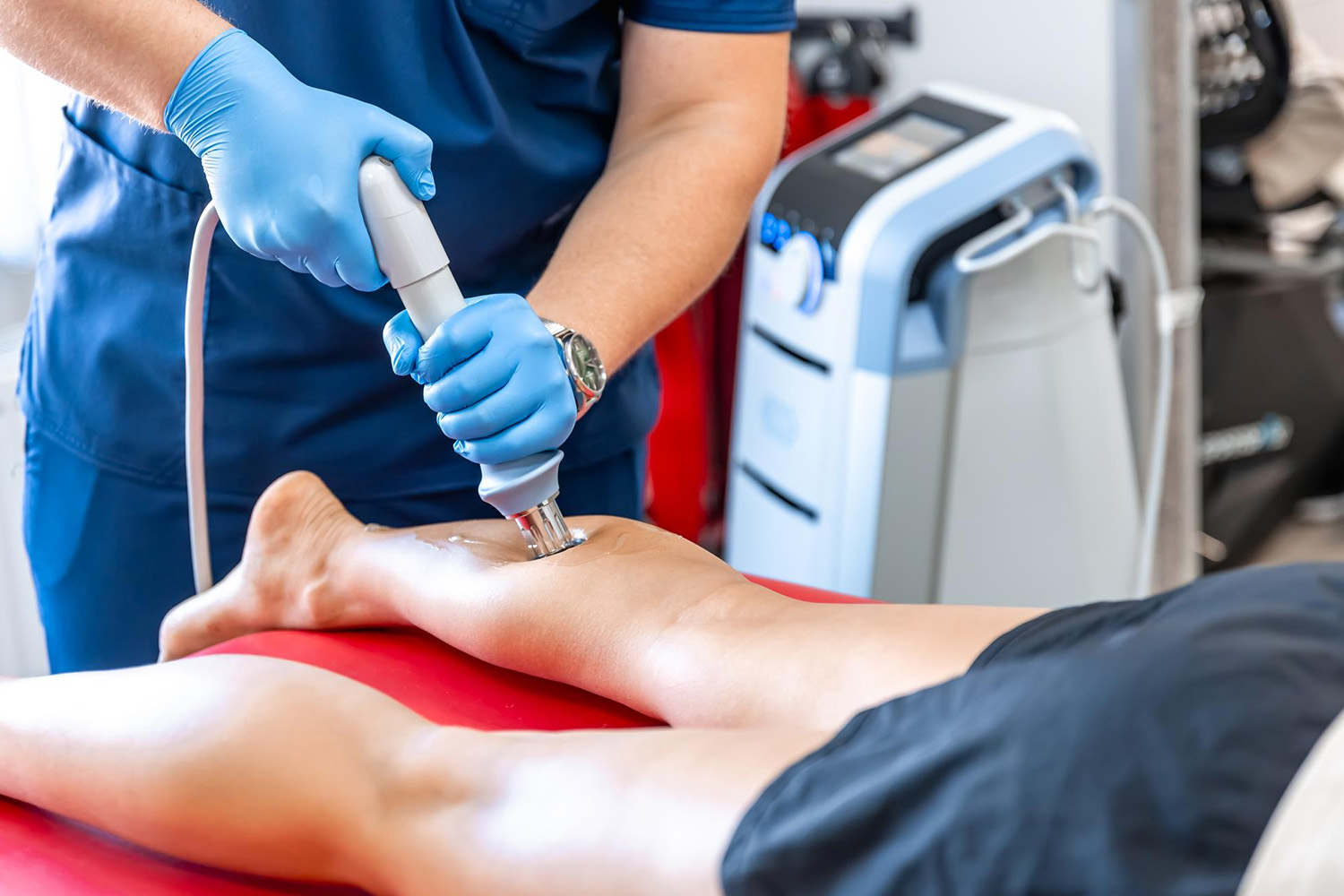
    A handheld device that transfers acoustic waves is used in the session of RPWT session. Sessions may get uncomfortable, but patients may experience tapping or vibrating sensations. The number of sessions may depend on the severity of the condition, usually containing 3 to 6 sessions with a gap of weeks. Some may feel relief after 1 to 2 sessions [5].

    Conclusion

    Radial pressure wave therapy is a game-changer for treating conditions relating to the tendons and chronic pain. All the above situations—plantar fasciitis, tennis elbow, achilles tendinopathy, shoulder tendinitis, patellar tendinitis, myofascial pain syndrome, hip bursitis, shin splints, carpal tunnel syndrome, and chronic neck and back pain can be treated with RPWT.

    Patients can have a safe, pain-free and effective path to recovery through radial pressure wave therapy. You should opt for an RPWT if you are facing stubborn chronic pain issues that have not improved through medications or physical therapy. 

    Enhancing massage gives services of specialized therapies to recover from injuries and pain. Get in touch to get more information or queries.

    FAQs

    1. What is meant by radial pressure wave therapy?

    Radial pressure wave therapy is the treatment provided with a device releasing acoustic waves to allow healing of muscles, tissues, and tendons, reduce pain, promote circulation, and accelerate tissue regeneration.

    1. What are the common conditions to be treated with RPWT?

    Plantar fasciitis, tennis elbow, achilles tendinopathy, shoulder tendinitis, patellar tendinitis, myofascial pain syndrome, hip bursitis, shin splints, carpal tunnel syndrome, and chronic neck and back pain are the top ten conditions that are treated with RPWT.

    1. Are the RPWT sessions painful?

    RPWT sessions may feel uncomfortable sometimes because of the pulsing and tapping sensation. The therapist adjusts the level of pressure according to the comfort level of pressure [6]. 

    1. How many sessions of RPWT does a patient need to recover?

    The number of sessions for therapy with radial pressure waves depends on the conditions and severity, but usually 3 to 6 sessions are recommended with a gap of a week.

    1. Are there any side effects of RPWT?

    There are not very many side effects of RPWT, but sometimes you may feel soreness, redness, and swelling in the treated area, which can fade away within 24-48 hours.

    References

    [1]https://www.owchealth.com/blog/2024/10/15/radial-pressure-wave-therapy-a-non-invasive-solution-for-pain-relief 

    [2] https://www.startstemcells.com/shock-wave-therapy.html 

    [3] https://www.oaaortho.com/blog/what-is-radial-shockwave-therapy 

    [4]https://www.chiropractorwimbledon.com/blogg/905-comparing-radial-vs-focused-shock-wave-therapy 

    [5] https://xcelhealth.co.uk/shockwave-therapy.php 

    [6]https://shockwavecanada.com/the-top-10-patient-shockwave-therapy-faqs/ 

  • Shockwave Therapy vs Physiotherapy: Which Works Better for Pain Relief?

    Shockwave Therapy vs Physiotherapy: Which Works Better for Pain Relief?

    When it comes to treating chronic pain and injury recovery, shockwave therapy vs physiotherapy is a common comparison. These two non-invasive treatments have helped millions reduce discomfort, regain mobility, and prevent surgeries.

    Shockwave therapy, also known as extracorporeal shock wave therapy (ESWT), uses acoustic waves to stimulate healing in muscles, tendons, and ligaments. It has gained popularity for conditions like plantar fasciitis, tennis elbow, and shoulder tendinopathy. At Enhancing Massage, we integrate modern therapies like shockwave with holistic techniques to maximize recovery.

    What Is Physiotherapy and How Does It Help?

    Physiotherapy for pain relief is a manual and exercise-based therapy tailored to the root cause of musculoskeletal pain. It includes stretching, strengthening, manual therapy, and posture correction to rehabilitate injured tissues and restore functional movement[4].

    While shockwave therapy is technology-based, physiotherapy relies on professional assessment, movement correction, and muscle activation strategies. Techniques like deep tissue massage can also enhance outcomes—read more about deep tissue massage benefits.

    Shockwave Therapy vs Physiotherapy: Key Differences

    1. Treatment Methodology

    • Shockwave Therapy: Delivers sound waves to injured tissues to stimulate cell repair, blood flow, and regeneration.
    • Physiotherapy: Combines assessments, physical exercises, and hands-on techniques to promote long-term healing.

    2. Conditions Treated

    Both treatments address musculoskeletal issues, but here’s how they differ:

    Condition Shockwave Therapy Physiotherapy
    Plantar Fasciitis
    Tennis Elbow
    Chronic Tendinopathy
    Back Pain ⚠️ Limited
    Post-Surgical Rehab


    3. Duration & Frequency of Sessions

    • Shockwave Therapy: Typically requires 3–6 sessions, once per week.
    • Physiotherapy: May require weekly or bi-weekly sessions for 4–12+ weeks, depending on condition severity.

    4. Scientific Effectiveness

    • Shockwave therapy has demonstrated success in improving chronic tendon and ligament injuries that don’t respond to physiotherapy alone [1].
    • Physiotherapy offers comprehensive rehabilitation strategies, supported by decades of clinical research [4].

    Which Is Better: Shockwave Therapy or Physiotherapy?

    In truth, shockwave therapy vs physiotherapy is not always about choosing one over the other. In many cases, combining both treatments yields the best results [2].

    For example:

    • Start with shockwave therapy to accelerate healing in chronic tendon pain.
    • Follow up with physiotherapy to strengthen the muscles and prevent recurrence.

    You can also explore deep tissue vs sports massage to support pain relief alongside physiotherapy

    When Should You Choose Shockwave Therapy?

    • Chronic tendon or ligament pain unresponsive to exercise [5]
    • Non-invasive alternative to surgery
    • Faster tissue repair for high-performance athletes

    When Is Physiotherapy More Effective?

    • Recovery from surgery, trauma, or neurological injury [4]
    • Chronic posture-related pain or back pain
    • Need for exercise-based rehabilitation

    Conclusion

    When it comes to shockwave therapy vs physiotherapy, it’s not about competition—it’s about complementing each other. If you’re looking for faster pain relief from tendon issues, shockwave therapy can offer rapid results[1]. For holistic recovery, mobility, and long-term support, physiotherapy shines.

    Want personalized advice? Book a consultation with our team to determine the best treatment for your pain.

    FAQs

    1. Is shockwave therapy better than physiotherapy?

    It depends on your condition. Shockwave therapy works great for chronic tendon pain, while physiotherapy is better for mobility, posture, and post-surgical rehab.

    2. Can I do both shockwave therapy and physiotherapy together?

    Yes! Many professionals recommend combining both for enhanced results and faster recovery.

    3. How many sessions are needed for shockwave therapy?

    Usually 3–6 sessions, once per week.

    4. Are there side effects of shockwave therapy?

    Mild discomfort, redness, or swelling may occur but usually resolve within 48 hours.

    5. Is shockwave therapy painful?

    You may feel some discomfort during the session, but it is generally tolerable and quick.

    References

    [1] https://www.healthline.com/health/shock-wave-therapy-for-plantar-fasciitis

    [2] https://complete-physio.co.uk/shockwave-therapy-for-plantar-fasciitis/

    [3] https://www.ncbi.nlm.nih.gov/pmc/articles/PMC9119740/

    [4]https://www.stayactiverehab.com/blog/physiotherapy-for-chronic-pain/

    [5]https://www.health.harvard.edu/pain/shockwave-therapy-a-new-treatment-for-chronic-pain

  • The Science Behind Stress Relief: How Full Body Massage Reduces Cortisol Levels

    The Science Behind Stress Relief: How Full Body Massage Reduces Cortisol Levels

    Stress doesn’t announce itself. It hides beneath daily routines, woven into the pressure of work, relationships, and responsibilities. Even the most composed individuals can carry a weight no one else sees. And while some stress may seem small, it builds up slowly and begins to take a toll, mentally, emotionally, and physically. That’s why finding ways to destress has become more important than ever.

    One of the best ways to relieve stress levels is with a full-body massage. Have you ever searched for “full body massage near me”? Many people are searching not only for you, but have you ever thought about what the science behind massage therapy is to relieve stress?

    Continue reading to explore the science behind massage to relieve stress and cortisol levels (one of the stress hormones) and why it is crucial for your overall health.

    What is Cortisol and How Does it Matter?

    What is Cortisol

    The main stress hormone, cortisol, is generated by the kidneys’ two adrenal glands. The role of cortisol is not only to defend against stressful events, but it also regulates metabolism, manages your body’s nutrients, regulates blood pressure, controls sleep, and increases blood sugar [1]. 

    Low cortisol can be effective for health, but high levels can develop issues like anxiety, depression, weight gain, high blood pressure, low immunity, and insomnia.

    Effect of a Full Body Massage on the Nervous System?

    Sympathetic (fight-or-flight) and parasympathetic (rest-and-digest) nervous systems are the two types. The sympathetic nervous system gets activated when your stress level increases, and it can lead to cortisol production, high heart rate, and muscle tension [2].

    A full-body massage works on soft tissues and transfers the sympathetic nervous system into the parasympathetic. Massage therapy releases serotonin and dopamine, which reduce stress levels and elevate your mood.

    Real Science, Real Benefits

    Massage therapy has a lot of effects on the stress level and the nervous system. Let’s have a look at the scientific benefits of massage.

    Real Science, Real Benefits

    1. Lower Cortisol Levels

    Cortisol levels that spike contribute to high blood pressure, increased heart rate, and depression. Massage therapy reduces cortisol by 30% and returns it to a balanced state, avoiding prolonged stress.

    2. Enhance Sleep Quality

    Stress plays a great role in poor-quality sleep. Reduced stress hormones, improved relaxation, and improved sleep patterns are all benefits of full-body massage therapy [3]. People having regular massages can easily fall and stay asleep.

    3. Elevate Mood

    The “feel-good” chemicals that are released can improve your mood and induce relaxation. Massage therapy releases these chemicals, which make you feel good even after a massage session.

    4. Reduce Anxiety and Depression

    As a high level of cortisol leads to anxiety and depression, massage can act as an anchor. Massage regulates your body and calms your mind to reduce depression and anxiety [4].

    Why Search for a “Full Body Massage Near Me”?

    Just like many people, you may also be searching for “full body massage near me.” Full body massages not only reduce stress levels but also improve overall well-being. If you are stressed due to work, personal issues, or daily life pressure, finding a local therapist is your go-to step to get peace.

    Convenience and Accessibility

    You can get many nearby options for massage therapists around you by just typing full body massage near me into a search engine. Visiting a local therapist can save you time and energy, and you can get it every other day, even on busy days.

    Personalized Services

    Many massage therapists are now providing personalized plans depending on your health requirements. Get packages that can target your hormonal issues, stress recovery, and release muscle tension to improve your health and mood.

    Professional Expertise

    Massage experts have better knowledge about the stress anatomy. If you get the message from professionals, they will target the pressure points associated with cortisol levels and stress. A professional therapist not only relieves your stress levels but also helps you relax.

    Types of Massages That Help Reduce Cortisol

    Types of Massages That Help Reduce Cortisol

    Every type of massage can make you relaxed and relieve your stress and cortisol level, but some are specifically effective.

    • Deep tissue massage specifically works deeply on muscles that relieve tension and chronic stress, and improve circulation.
    • The happiness hormone serotonin is released, cortisol levels are lowered, and muscle tension is relieved during a sports massage.

    If you are looking for “full body massage near me,” you must identify which is most effective for your stress levels.

    Frequency Matters

    If you get a one-time massage to reduce your cortisol level and think it is enough, then you are wrong. Massage therapy requires weekly or biweekly treatments to get better results [5]. Regular massage therapy lowers your stress levels and enhances your mood and overall mental and physical health.

    Other Lifestyle Tips to Complement Massage

    Combine your massage therapy with other stress-reducing activities to lower the feeling of anxiety and get more beneficial results. You can do:

    • Meditation
    • Physical Activities
    • Improve your sleep
    • Social Support and Connection
    • Healthy Diet

    You can make yourself healthy and develop a system to fight against stress by implementing these tips along with massage therapies.

    Conclusion

    It makes sense that in this fast-paced, digital world, stress has become a part of everyone. When you suffer from chronic stress, you must take a step to reduce it and enhance your well-being. A full-body massage can help, but the scientific benefits and reasons behind it can help you make improved decisions for your health..

    If you are depressed and feeling anxious, don’t ever push yourself through it; just type “full body massage near me “ to get your stress relieved within your area to save energy and time. Massage not only works for specific reasons but also enhances your overall well-being and sends calm signals to your mind to improve your mood.

    At Enhancing Massage, you can get different types of massage therapy from skilled and professional therapists tailored to your needs. Just send a message to get your massage therapy session booked.

    FAQs

    1. How can I get relief from stress through a full-body massage?

    Getting a full-body massage can help your nervous system reduce your cortisol levels and release dopamine and serotonin to relieve stress.

    1. For stress relief, how frequently should we get massage therapy?

    One session can be beneficial, but if you want to not suffer from the stress, you should take weekly or biweekly sessions with a specialist.

    1. What are the advantages of selecting a local full-body massage provider?

    As you choose a local therapist, you can save time and energy along with a relaxing environment and have 60-90 minutes of massage for your shoulders, back, neck, legs, arms, and more.

    1. What negative consequences could a routine massage session cause?

    Regular massage therapy is completely beneficial, and many people take regular massage sessions. If you have any health issues with skin or blood clotting, you can consult your doctor first.

    1. What should I do before taking massage sessions?

    You should take a light meal before the session and stay hydrated. Consult your therapist for more care tips.

    References

    [1] https://www.webmd.com/a-to-z-guides/what-is-cortisol 

    [2]https://floatwell.co.uk/2024/10/29/the-science-behind-massage-therapy-how-it-works-to-relieve-stress-and-pain/ 

    [3]https://elementsmassage.com/white-plains/blog/benefits-of-massage-for-stress-relief-a-path-to-wellness 

    [4] https://compassionatehart.com/full-body-massage-benefits-2/ 

    [5] https://therakneads.com/blog/2023/5/2/how-often-you-should-get-a-massage